The PVC card punching machine, also known as the die-cutting machine, is the most important part of making PVC cards because it affects the quality of the finished product. Layering is a common technical issue faced by many printing and business card factories, especially when they have to deal with rapidly changing small batch orders in the Indian market. Layering, where the edges of the card appear to peel, crack, or have burrs, not only makes the card look bad but also directly leads to an increase in scrap rate. As an equipment supplier with a strong foundation in Shenzhen, we utilize our global customer service experience to study the technical reasons for layering and propose systematic solutions based on the characteristics of the equipment. This article will provide a detailed introduction from different perspectives on how to use advanced PVC card punching machine technology to thoroughly solve the problem of delamination, such as how the machine works, how to improve the process, and how to make the material work better. This will help your business card printing enterprise achieve high-quality and high-efficiency production goals.
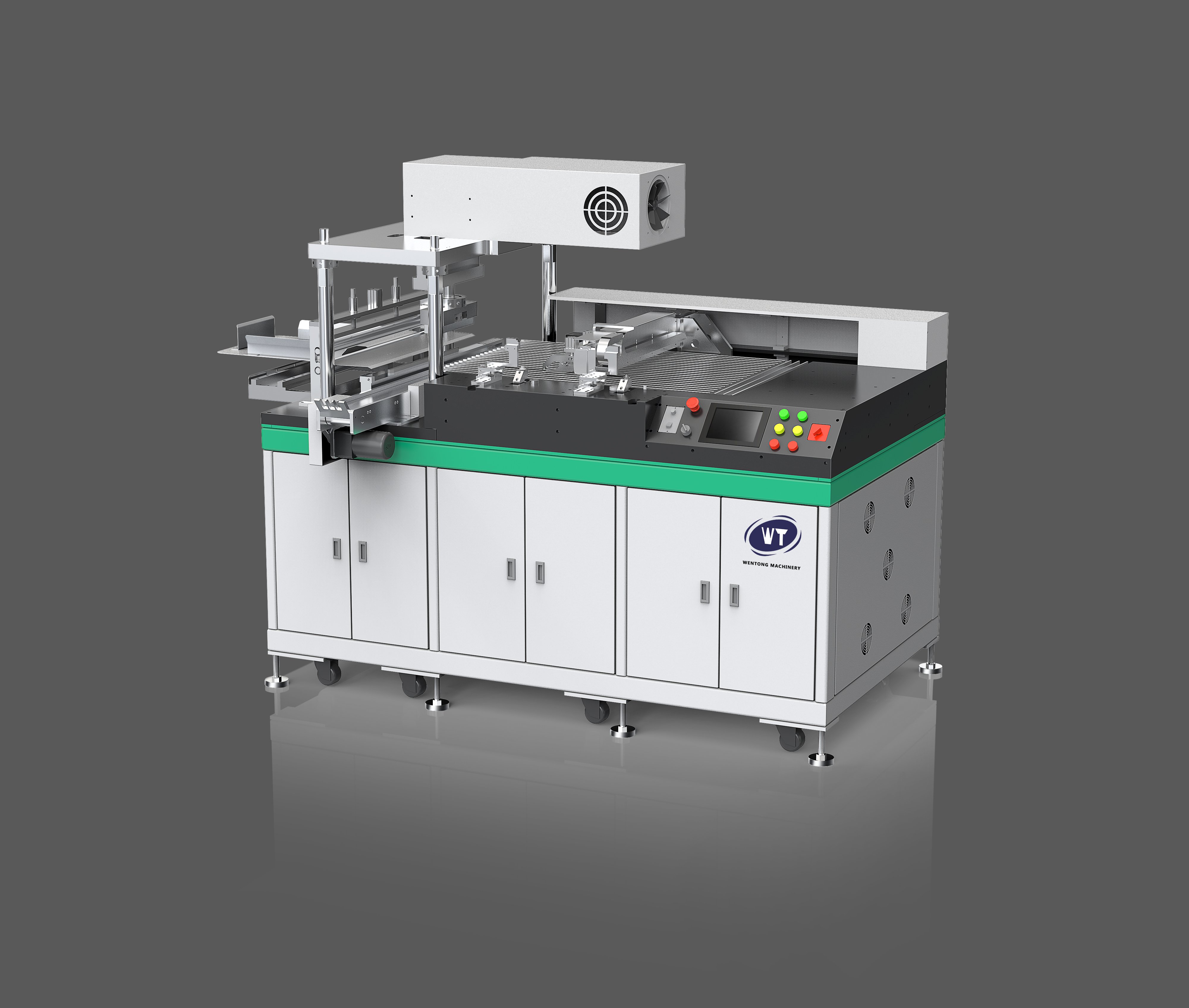
PVC card punching machines are widely used to make various cards, such as business cards, smart cards, game cards, playing cards, anime cards, bank cards, celebrity cards, etc. It can feed in the correct way, automatically collect, and remove waste materials. These functional features indicate that the device has a natural technological advantage in solving layering problems. By making reasonable changes to parameters and processes, the delamination failure rate can be kept at a very low level.
When operators see the card layered, they usually react by threading the mold. The cutting dynamics and feed accuracy of PVC card punching machines are also very important factors. When PVC material layers separate, the internal stress of the material is greater than the limit of interlayer adhesion. This is the meaning of layering. The core layer, printing layer, and film layer are common parts of PVC cards. When the punching force is uneven or the material is not in the correct position, shear force can damage the bonding interface between layers, leading to delamination. In tropical climates such as India, PVC materials become softer in hot and humid conditions, making die-cutting more difficult.
If the power of the machine is unstable or the stamping speed is incorrect, it will tear the card part instead of cutting it. This kind of tearing will spread along the bonding surface of PVC material, producing cracks that are easily visible to the naked eye. In addition, if the material undergoes slight movement or vibration during the stamping process, it will also move the upper and lower die cutting points, thereby breaking the bond between the PVC layer and another layer. Many printing factories will notice that in actual production, the layering rate of the same set of molds used on different machines can vary greatly. This indicates how important the device itself is. To solve this problem, we need to start with the cutting ability and material positioning of the equipment and solve the layering problem through systematic technological improvements.
The key to fixing delamination is whether the PVC card punching machine can create a "stable, precise, and vibration-free" punching environment. Since the era of simple mechanical stamping, punching technology has made significant progress. Now, it uses servo-controlled precision machining. The upgrade of this technology not only improves production efficiency but also provides a basic guarantee for solving quality problems such as layering. More and more Indian printing companies are realizing that the quality of their products is directly related to the accuracy of their equipment. Therefore, they focus on die-cutting equipment with advanced control systems.
The main reason for stratification is the unstable impact force. All of our equipment is equipped with a 7.5 kW high-power servo motor as the cutting power source. Servo systems are better than ordinary pneumatic or electric motors because they react quickly, maintain stable pressure, and do not cut off due to vibration. During the stamping process, the servo motor with closed-loop control can monitor pressure changes in real time and automatically change the output power according to the characteristics of the material. The 7.5 kW power reserve is sufficient for stamping thick materials (such as PVC composite cards with a diameter of 0.76 mm or larger) or hard materials without pulling or delamination due to "cutting failure." The precise control of the servo system can also ensure that each punch has the same force, which is a common problem in pneumatic systems. This is the physical reason why the cutting process is smooth and does not cause delamination. Experiments have shown that equipment using 7.5 kW servo power has more than 30% better pressure stability than traditional pneumatic equipment. Its stratification rate has also decreased by 60%.
Another secret reason for layering is that the stamping position is not in the same position as the printing register area. If you press the cutting edge where the film or ink layer meets, it is likely to cause delamination. The ink layer and film layer cannot stick well together because they are made of materials different from the PVC substrate. This device can accurately capture the cursor printed on the PVC board using high-sensitivity sensors or a CCD vision system. This ensures that the cutting line is always located in the area with the strongest material adhesion. This visual correction system can automatically detect stretching and printing errors in the material, change the feeding position in real time, and ensure that the die-cutting position is completely consistent with the printed pattern. The device also adopts a step-by-step feeding method of "short, flat, and fast." Each feed is driven by a servo motor and imported ball screw, with an accuracy of ± 0.1 mm. This precise step-by-step pushing can prevent the material from bending or changing shape before die-cutting, so the material can enter the mold area in its most stretched state. This high-precision feeding system can work for several hours on the most common ultra-long orders in the Indian market without losing accuracy. This ensures that each card meets the same high-quality standards.
In the traditional business card printing process, it is usually necessary to maintain "connection points" or "nail holes" to prevent the cards from scattering after punching. These connection points are usually where layering and rough edges occur in the next step of the separation process. Manually separating connection points is not only inefficient but also difficult to ensure consistent quality when manufacturing small batches of different types of products. The demand for card quality in the Indian market has been growing. Many customers have stopped purchasing products with connection marks, so nail-free technology has become the new industry standard.
Modern and efficient PVC card punching machines have die-cutting technology, and their design does not require any nails or connection points. This device can completely cut cards through a conveyor belt or vacuum adsorption system while maintaining the integrity of the layout waste. This allows the completed cards to be separated on their own. The key to this technological breakthrough is that the punching depth control can be set to 0.01 mm, which means it can cut cards without damaging the conveyor belt. After stamping is completed, the waste rack remains in place due to its own tension, and the receiving shaft will roll it up on its own. Then send the completed cards out through a conveyor belt. This feature eliminates the opportunity for false layering caused by disconnected connection points. The edges of the card are smooth and free of burrs because they are part of the card. Seamless processes are particularly important for businesses that require sampling for customers, as they ensure that the samples perfectly showcase the final quality and do not alter the customer's first impression due to continuous traces. In real life, PVC card punching machines using nail-free technology can reduce the number of defects at the edge of the card by more than 90%, greatly improving product quality.
The equipment must be able to quickly switch to typical "multi-variety, small-batch" orders in the Indian market. Many printing companies have to handle more than ten or even dozens of different orders every day. The speed at which they change molds directly affects how much production capacity they can use. We use a lightweight wooden mold design, and replacing the mold only takes 2 to 3 minutes. Operators can easily replace wooden molds without the need for lifting equipment, as they are 70% lighter than steel molds. Quickly replacing molds not only makes things run more smoothly but also makes it easier to regularly inspect the edges of the molds. During the time between mold changes, the operator can clean the mold, check for wear, and maintain its sharpness. Regular maintenance of molds can improve stamping work and distribute force more evenly. This is a necessary step to prevent delamination caused by mold wear. According to on-site statistics from our Indian clients, the average number of mold changes per day increased from 5 to 15 after they started using the rapid mold change system. The equipment utilization rate has increased by 30%, and the mold failure rate has decreased by 50%.
The PVC card punching machine can punch not only PVC; It can also punch paper, film, and soft magnetic sheets. Changing device settings to use different materials is a long-term issue of fixed layering. India has many different types of cards. For example, PVC prayer cards are used in religious places, student IDs are used in schools, and game cards are used in game halls. A device that can handle various materials can help printing companies process more types of orders and use their equipment more efficiently.
This machine can process various materials, including paper, PVC, PETG, ABS, and soft magnetic sheets with adhesive backing. You can change the servo power of 7.5 KW according to different materials. For example, during drilling, the speed can be reduced to stop blurring; When stamping hard PVC, the holding time can be extended to eliminate internal stress; during film punching, it can maintain a high cutting speed and sharpness. This ability to easily change settings allows you to find the best settings to prevent layering when making anime cards, game cards, and bank cards. The device has a built-in material database that stores cutting parameters for dozens of common materials. The operator only needs to select the material type, and the system will automatically call the optimal parameter combination. This greatly reduces the system's dependence on operational experience. The device also has a parameter learning function for new materials. It can automatically optimize settings through multiple trial cuts to find the optimal parameters to prevent layer rupture. When the Indian customer actually tested the equipment, the yield exceeded 99% when processing different materials with thicknesses between 0.3 mm and 1.2 mm. This indicates that the device has strong adaptability to different materials.
Layering not only occurs when you drill holes but also when you stack finished products. If the collection device is not designed properly, the card may hit the edge of the box when it falls from the punching area into the collection box. This device has two modes: sequential collection and classified collection. Sequential collection maintains the original order of perforated cards for easy tracking. Classification collection is used for multi-mode splicing, which automatically classifies cards with different patterns into different material boxes to avoid scratching the edges of the cards during manual classification in the future. The collection device has a buffering design, and the path of the card dropping has been changed to reduce collision force. For high-end products, the device can also be connected to the backend packaging line to automate the entire process from stamping to packaging. Perforated cards are directly fed into the automatic packaging machine through a conveyor belt. The cards are always in a controlled state during the production process, so there is no need for people to touch them, thereby reducing the risk of secondary damage caused by errors. This interconnected production model not only makes things better but also ensures that the quality of the finished product remains unchanged.
In order to completely solve the problem of PVC card cracking during the card-making process, PVC card punching machines need to work in conjunction with "mechanical, electrical, optical, and soft" components. For example, we obtained test data from our Shenzhen factory and received feedback from customers in other countries. After visual correction and gradual feeding, the stamping accuracy of the standard CR-80 card with a thickness of 0.76 mm is stably controlled within ± 0.1 mm. This completely eliminates the stratification caused by misalignment. This level of accuracy is better than the industry standard of ± 0.2 mm, which means that the size and edge quality of each card are the same every time. The device produced 80000 cards during 8 hours of continuous production testing. Only 12 of them have defects due to stratification, which means the defect rate is only 0.015%, far below the industry average of 0.5%.
A 7.5 kW servo power driver can manufacture 250 g-350 g gaming cardboard and 0.76 mm PVC smart cards at a speed of 3000-5000 sheets per hour, which is common in the Indian market. The yield rate has increased from 96% to over 99.5%, and the delamination defect rate has decreased by 80%. For example, a game card manufacturer in Bangalore suffered a monthly loss of approximately 150000 rupees due to layer rupture before obtaining the equipment. Since the equipment was put into use, the loss of layered waste has been reduced to less than 30000 rupees. This alone can save over 1.4 million rupees annually. Replacing the side is quick; replacing the mold only takes 2-3 minutes. Changing orders and adjusting machines only takes 15 minutes. Operators can quickly change the settings of different materials to prevent the occurrence of batch cracking accidents. The customer currently processes 12-15 orders per day, and the total time required to replace the equipment does not exceed 3 hours. The remaining time is the effective production time, and the equipment utilization rate exceeds 85%.
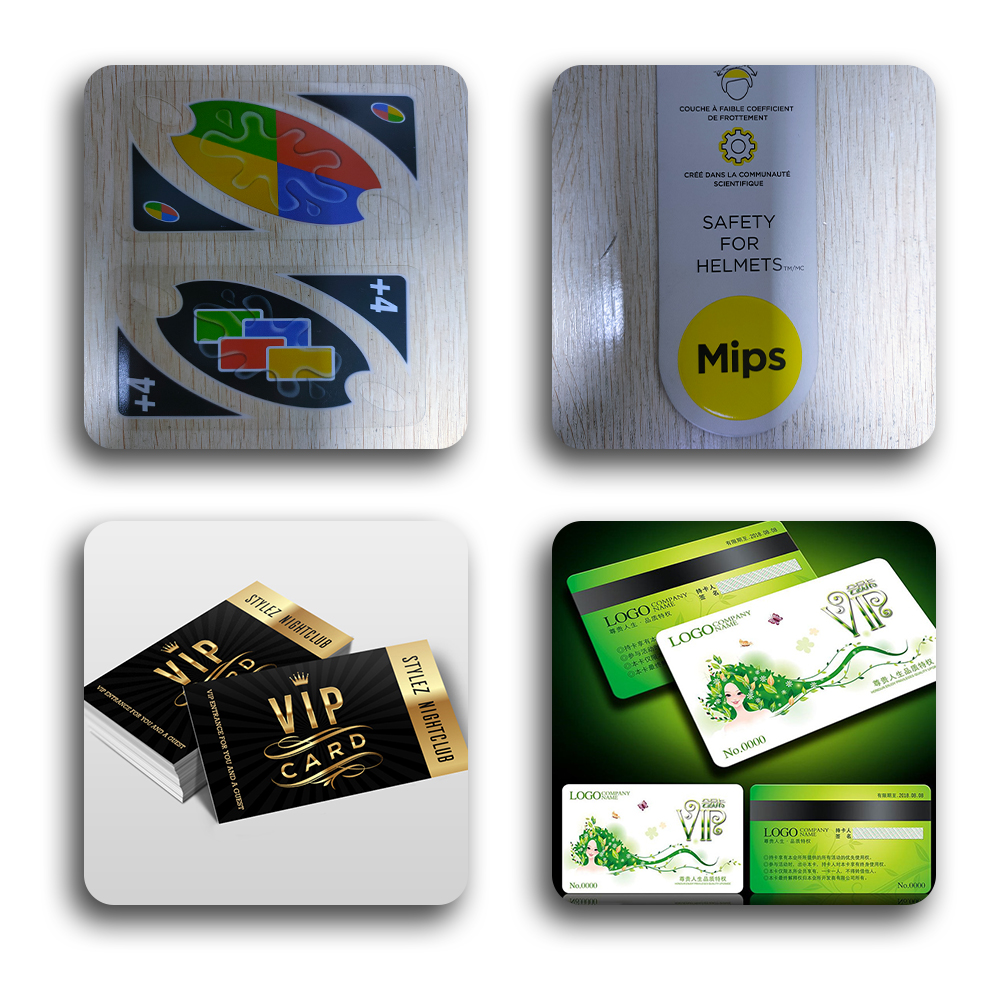
In the busy printing and business card printing market in India, speed is not the only important thing; the quality must also be stable. Purchasing a PVC card punching machine that can accurately feed, has high power, and can intelligently self-repair is a good way to solve the problem of delamination. According to data, a high-performance PVC card punching machine can recoup costs within 3 to 6 months by reducing scrap rates and increasing productivity. We are an equipment supplier based in Shenzhen, China, and we promise to provide this 'knowledge-based' production technology to every customer. This will help you create game cards, bank cards, membership cards, and other cards with perfect edges and no cracks. We believe that Indian printing companies can obtain more high-end orders in the international market by using high-tech equipment and skilled workers.
 EN
EN