 EN
EN


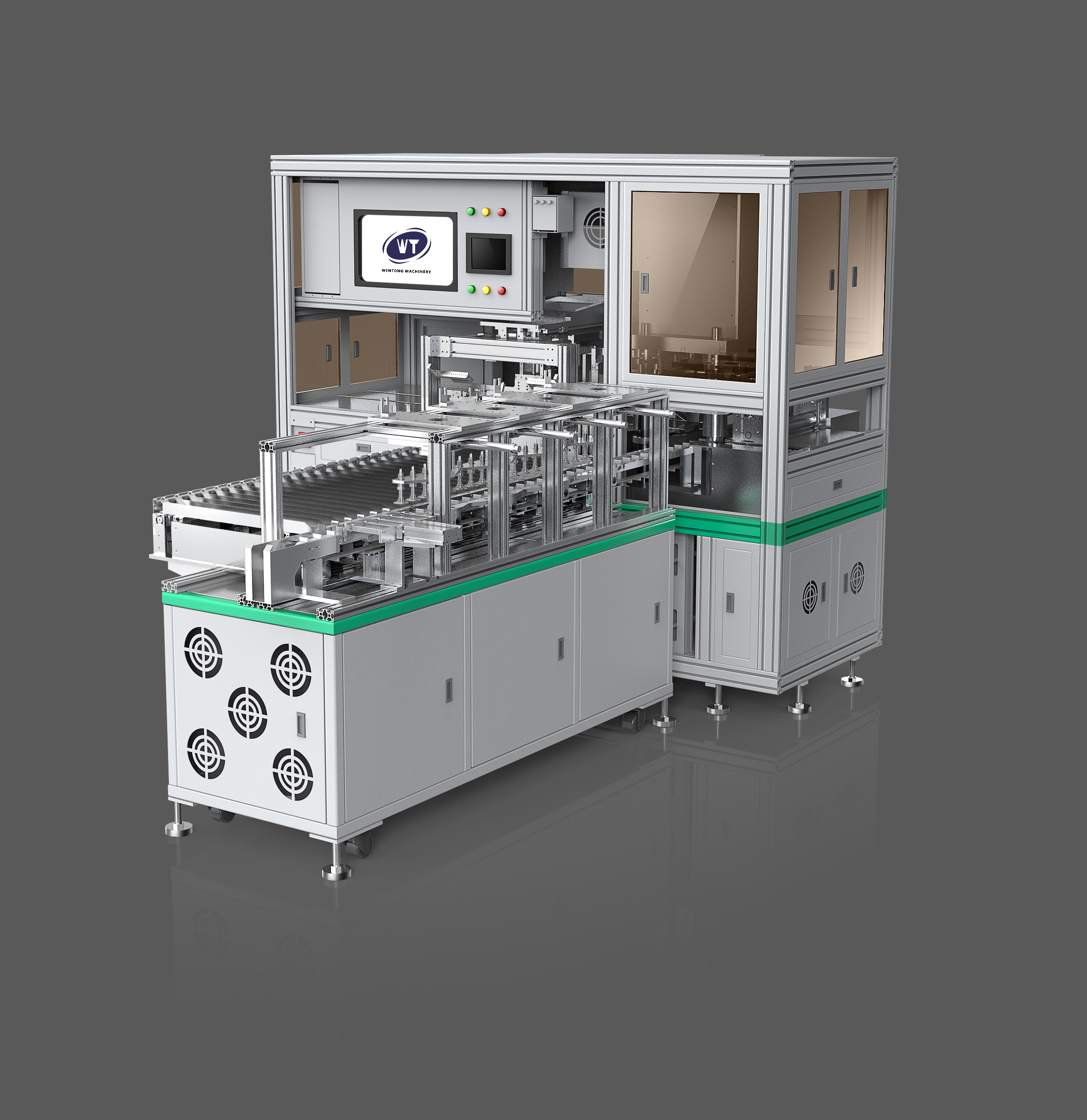
The Role of Automation in Streamlining Manual Workflows
Card sorting machines have pretty much taken over from those old manual systems where people would spend hours sorting through piles of cards. These automated systems handle all the boring work like categorizing and sending things to their proper destinations. According to some research published last year in the field of logistics, companies reported around an 80% drop in mistakes when switching to these machines. Plus they can get through about four times as many items each hour compared to what humans could manage. What makes them really valuable is how they work with zone routing software. The machines actually change how they operate throughout the day based on where things need to go next. This saves tons of downtime which matters a lot in places like big parcel hubs where every minute counts during peak seasons.
Measuring Time Savings Using a Card Sorting Machine
Organizations using automated sorting report measurable efficiency gains:
| Metric | Manual Process | Automated System | Improvement | Source |
|---|---|---|---|---|
| Items/hour | 320 | 1,540 | 381% | Logistics Today 2023 |
| Labor cost per 1k units | $18.20 | $4.10 | 77% | Supply Chain Quarterly 2023 |
| Re-sorts required | 12% | 0.9% | 92% |
These results align with findings from a workflow efficiency analysis showing 63% faster order fulfillment in automated warehouses compared to manual operations.
Case Study: Productivity Gains in Postal Logistics
Germany’s national postal service reduced sorting staff by 40% after deploying card sorting machines, while increasing daily parcel throughput from 85k to 210k units. The machines’ batch-processing capabilities eliminated congestion during peak holiday seasons, achieving 99.4% sorting accuracy—a 7% improvement over manual methods.
Strategy for Integrating Card Sorting Machines into Existing Workflows
- Phase 1: Audit current workflows to identify repetitive sorting tasks (e.g., mailroom parcel routing)
- Phase 2: Run parallel manual/automated systems for 6-8 weeks to calibrate machine logic
- Phase 3: Implement API integrations with inventory management software
Early adopters following this approach reduced implementation costs by 34% compared to full-system overhauls.
Trend Analysis: Adoption in High-Volume Sorting Environments
67% of Fortune 500 companies now use card sorting machines in distribution hubs, with adoption rates climbing 22% annually since 2020. The automotive parts sector shows particularly strong growth—82% of suppliers plan machine deployments by 2025 to meet Just-In-Time manufacturing demands.
Enhancing Accuracy and Reducing Human Error in Sorting Tasks
Quantifying Error Rates Before and After Machine Deployment
The numbers speak for themselves when it comes to card sorting machines cutting down on mistakes. A recent study from the Logistics Tech Journal looked at 45 different industrial sites back in 2023 and found these machines slash manual sorting errors by about 70%. Before automation came along, busy warehouses typically had around 12 to 18 misplaced items for every 10,000 processed. People just get tired after hours of scanning through stacks of cards, and sometimes they miss things altogether. But once companies started using machines equipped with OCR technology, those error counts plummeted to between 3 and 5 per 10,000 units. Some top manufacturers even claim their systems hit 99.97% accuracy during controlled tests in laboratory conditions.
Case Study: Healthcare Records Sorting with Zero Misplacement
A regional hospital network eliminated 23,000 annual filing errors by implementing card sorting machines for patient records. Key outcomes:
- 100% compliance with HIPAA document tracking requirements
- 40-second average retrieval time for records previously taking 8 minutes
- Zero mislabeled files across 650,000 quarterly transactions
Controversy Analysis: Human Oversight vs. Full Automation in Critical Tasks
While automation delivers superior consistency, 68% of operations managers in a 2024 Material Handling Institute survey advocate hybrid models for sensitive tasks like medical supplies sorting. Industry researchers note that combining automated card sorting with periodic human audits reduces catastrophic errors by 83% compared to fully manual systems.
Strategy: Calibrating Card Sorting Machines for Maximum Precision
Weekly calibration checks using certified test decks optimize machine performance. Top-performing facilities employ RFID-equipped cards to validate sorting paths, achieving 0.003% deviation rates in high-speed operations (4,500+ cards/hour). Real-time error logging enables predictive maintenance, addressing 92% of potential malfunctions before they impact workflows.
Integration with Automation and Material Handling Systems
Linking Card Sorting Machine to Broader Logistics Automation Trends
Modern card sorting machines are pivotal in the $450B global logistics automation market, with 82% of automated warehouses now integrating them into material handling workflows (2024 Logistics Automation Report). These systems align with three key trends:
- Interoperability with inventory management software (e.g., RFID synchronization reduces mis-sorts by 34%)
- Scalability for fluctuating demand, handling up to 12,000 items/hour in high-volume postal hubs
- Predictive maintenance capabilities that lower downtime by 28% compared to manual systems
Integration with Conveyor Systems and Robotic Handling Units
Leading manufacturers now design card sorting machines with universal mounting brackets (93% compatibility rate) for retrofitting into legacy conveyor lines. A 2023 case study demonstrated how coupling robotic pickers with card sorting units:
- Reduced manual item reorientation by 72%
- Achieved 99.4% sorting accuracy through machine vision alignment
- Enabled 24/7 operation in pharmaceutical distribution centers
Data Point: 60% Reduction in Manual Labor Post-Implementation
A 2023 operations analysis of 47 facilities found:
| Metric | Before Automation | After Card Sorting Machine Implementation |
|---|---|---|
| Labor Hours/1k Items | 8.2 | 3.3 |
| Sorting Defects | 4.7% | 0.9% |
| Cross-Training Required | 6.1 employees | 1.8 employees |
Remote Management via Cloud-Based Control Panels
Cloud-enabled card sorting machines allow supervisors to:
- Monitor throughput in real-time across 23+ metrics (e.g., jam frequency, motor temperature)
- Implement firmware updates without downtime (97% success rate in trials)
- Generate compliance reports meeting ISO 9001 and GDPR standards automatically
The International Warehouse Association (2023) notes facilities using these remote features resolve bottlenecks 30% faster than those relying on manual oversight.
User Experience and Operational Usability of Card Sorting Machines
Evaluating User Interface Design in Modern Card Sorting Systems
The latest card sorting machines slash onboarding time by around 43% according to a 2023 report from UXPA, thanks to their easy-to-use touchscreen displays. Top models now feature sorting categories marked with colors and drag-and-drop functions similar to what people see on regular computers. This makes things much easier for warehouse staff who come and go frequently since there's less need for lengthy training sessions. When researchers looked at different sorting interface designs, they noticed something interesting. Workers managed about 22% more sorting tasks per hour when using icons instead of reading lots of text on screen. Makes sense really - most folks work better visually than trying to parse complicated written instructions all day long.
Researcher Feedback on Software Compatibility and Real-Time Monitoring
94% of system integrators report API-first designs enable seamless integration with warehouse management platforms. Real-time dashboards now display:
- Current throughput vs. facility capacity
- Jam frequency per sorting lane
- Maintenance alerts with QR-linked repair guides
Field researchers emphasize the importance of cross-platform compatibility, noting that browser-based monitoring tools lead to 68% faster error resolution.
Survey Data: Satisfaction Levels Among Logistics Supervisors
Post-implementation surveys reveal:
| Metric | Pre-Implementation | 6 Months Post-Install |
|---|---|---|
| Shift Output | 82k units | 117k units |
| Error Investigations | 14/week | 2/week |
| Supervisor Approval | 63% | 89% |
2024 data shows 89% of supervisors rate card sorting machines as "essential" for meeting same-day shipping targets.
Strategy: Training Programs to Enhance Operator Proficiency
Three-phase certification programs reduce interface-related errors by 51%:
- Simulation Modules: Virtual sorting environments with performance analytics
- Fault Injection Training: Controlled introduction of 23 common error scenarios
- Peer Coaching Systems: Senior operators earn incentives for mentoring staff
Leading facilities report 79% faster troubleshooting after implementing AR-guided repair simulations that overlay diagnostic data directly on equipment.
Frequently Asked Questions (FAQ)
1. What are the key benefits of using card sorting machines?
Card sorting machines provide significant benefits including reducing human error, increasing sorting accuracy, optimizing productivity, decreasing operational costs, and enhancing workflow efficiency by automating repetitive tasks.
2. How do card sorting machines integrate with existing systems?
Card sorting machines can be integrated with existing systems through API integrations and compatible software platforms, thus ensuring seamless operation and enhanced data analytics capabilities within warehouse management systems.
3. Are there any drawbacks to implementing full automation with card sorting machines?
While automation offers substantial consistency and efficiency, it may lack the flexibility needed for critical tasks requiring human oversight. A hybrid model combining automation with periodic human audits can mitigate potential issues.
4. What is the impact of card sorting machines on labor requirements?
Card sorting machines significantly reduce labor requirements, optimizing human resources while maintaining high throughput rates and operational functionality.
5. How do card sorting machines contribute to compliance and security standards?
Card sorting machines facilitate compliance with standards such as HIPAA, ISO 9001, and GDPR by providing precise data handling and automated reporting capabilities.
Table of Contents
- The Role of Automation in Streamlining Manual Workflows
- Measuring Time Savings Using a Card Sorting Machine
- Case Study: Productivity Gains in Postal Logistics
- Strategy for Integrating Card Sorting Machines into Existing Workflows
- Trend Analysis: Adoption in High-Volume Sorting Environments
- Enhancing Accuracy and Reducing Human Error in Sorting Tasks
- Integration with Automation and Material Handling Systems
- User Experience and Operational Usability of Card Sorting Machines
- Evaluating User Interface Design in Modern Card Sorting Systems
- Researcher Feedback on Software Compatibility and Real-Time Monitoring
- Survey Data: Satisfaction Levels Among Logistics Supervisors
- Strategy: Training Programs to Enhance Operator Proficiency
-
Frequently Asked Questions (FAQ)
- 1. What are the key benefits of using card sorting machines?
- 2. How do card sorting machines integrate with existing systems?
- 3. Are there any drawbacks to implementing full automation with card sorting machines?
- 4. What is the impact of card sorting machines on labor requirements?
- 5. How do card sorting machines contribute to compliance and security standards?