 EN
EN


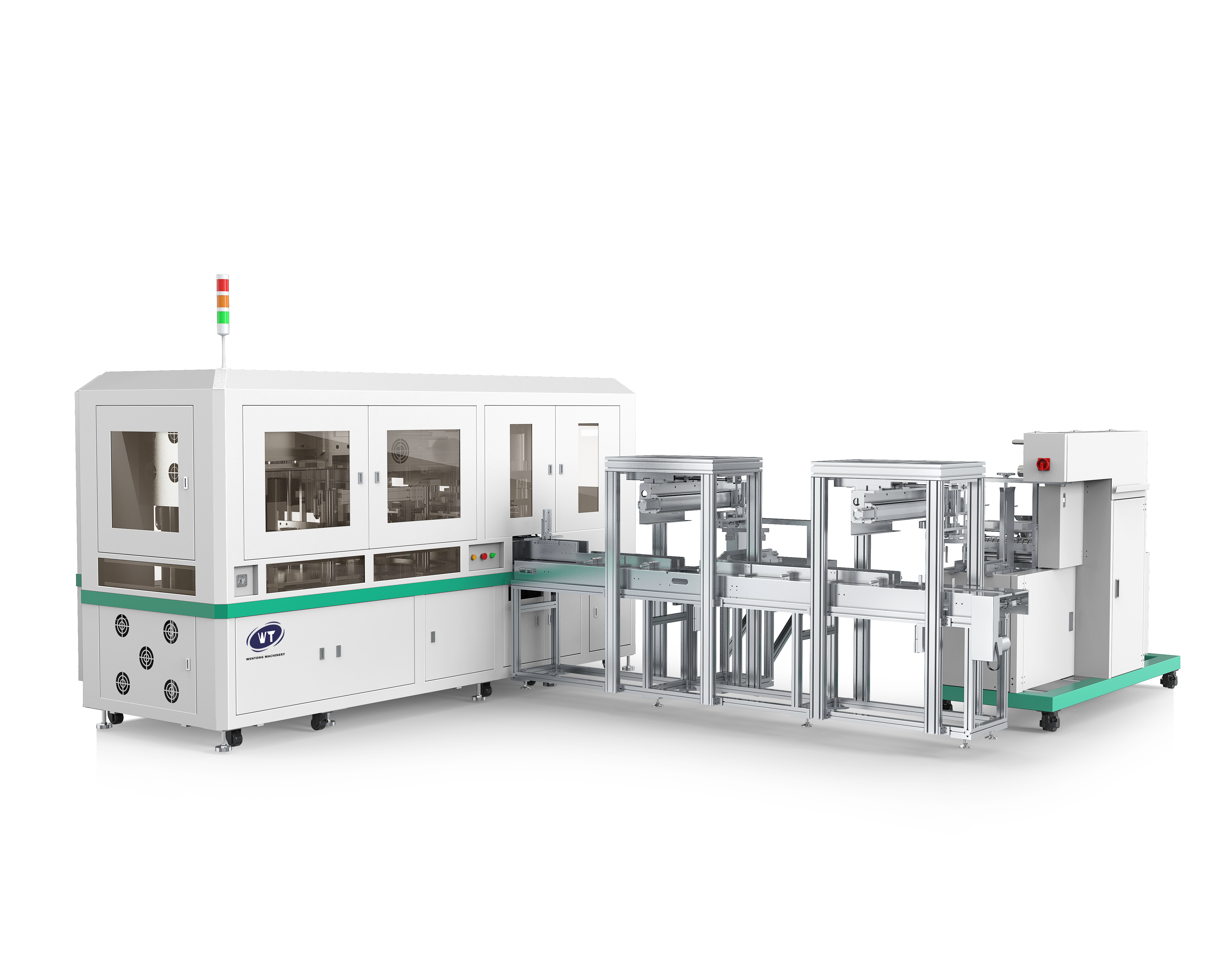
The Fundamental Role of Punching Machines in Plastic Card Production
Overview of Punching Machine Functions in Card Production
In card manufacturing, punching machines handle three main tasks. First, they create those alignment holes needed when assembling layered materials. Second, these machines shape the contact plates that hold embedded chips in place. And third, they cut various security features including those tiny micro-perforations we often don't even notice. The machines make sure all the electronic parts fit correctly without compromising the card's strength, whether it's made from PVC, PET or some composite material. According to a recent industry report from 2025, automated punching systems now hit around 98.7% yield rates for smart cards. That's actually quite impressive considering this represents a 22% jump compared to what was possible with older hydraulic methods back in the day.
How Punching Machines Enable Precision in Card Shaping
Modern servo driven punch systems can achieve around 0.1mm accuracy which makes them ideal for manufacturing contactless payment cards where the antenna needs to be etched perfectly. The laser guided alignment feature actually adjusts itself based on how thick the materials are, so there's less chance of layers peeling apart in those fancy multi layer RFID cards we see these days. Because of this level of precision, manufacturers are now creating some pretty cool hybrid designs that mix metal inserts with carbon fiber components all while keeping edges nice and clean. A recent industry report from late 2024 showed just how much this technology has improved over the past few years.
Understanding Card Body Punching and Its Significance
The way body punches are made really affects how well cards work. When edges vary even by ±0.05 mm, it can mess up magnetic stripes and cause problems when inserting cards into machines. These days most manufacturing processes hit around 99.9% consistency on cuts, which matters a lot for things like biometric IDs where security is paramount. Another benefit comes from the tamper evident design built into these cards. If someone tries to remove parts without authorization, special features kick in to show there's been interference. This helps fight against fake cards being made, something that continues to be a big concern for secure identification systems everywhere.
Core Capabilities: Precision, Consistency, and Material Integrity in Punching
Importance of punching in shaping card components and features
Modern punching machines create those tiny details we see on plastic cards such as micro holes, spaces for sensors, and indentations for contact pads all with incredible precision down to microns. Manual techniques often lead to rough edges, but these automated systems deliver just the right amount of pressure usually between 20 and 50 kilonewtons based on what material they're working with to cut through the substrate cleanly while protecting any built-in chips or antenna components. The level of accuracy makes it possible to incorporate advanced security elements like holograms and RFID technology into cards something that about three out of four access control cards need nowadays according to industry data from Smart Card Alliance in their 2023 report.
Maintaining edge consistency and dimensional accuracy
Today's punching machines can hit dimensional tolerances around ±0.05 mm, which matters a lot for those contactless payment cards where the NFC antenna has to be just right. These machines use servo drives that change the punching speed and pressure depending on what they sense from the material. They keep edges looking consistent even when working with different plastics such as PVC, PET, or polycarbonate something that used to be really tricky. The biggest benefit? No need for all those extra steps after punching to clean up burrs or fix uneven edges. Factories report cutting down on waste by about 32% when switching from old mechanical presses to these newer systems. Makes sense why manufacturers are making the switch.
Preventing delamination and surface damage during punching
Advanced multi-stage tooling prevents layer separation in composite cards by applying graduated pressure profiles. For example, 0.5 mm PET cards undergo:
- Pre-punch stabilization: Vacuum plates immobilize sheets
- Controlled penetration: Stepped dies create pilot holes
- Final shear: Angled blades minimize surface stress
This process reduces delamination rates to <0.2% even in 8-layer ID cards, compared to 5%7% with hydraulic punching methods. Temperature-controlled dies further prevent plastic deformation, ensuring clean apertures for EMV chip modules and signature panels.
Advanced Technologies: CNC and Servo-Driven Punching for High-Accuracy Fabrication
CNC and Servo-Driven Punching for Repeatable, High-Accuracy Results
CNC systems working with servo driven actuators can repeat positions down to about 0.005 mm accuracy, all while using 37 percent less power than old school hydraulic setups according to research from the Precision Engineering Journal last year. What makes these modern machines so effective is their ability to constantly monitor and tweak both force and speed through closed loop feedback mechanisms. This means manufacturers get reliable cuts and punches when working with different plastics including PVC, PET, and those tough polycarbonate materials that can be tricky to handle consistently.
CNC Punching Machines for High-Volume, Complex Card Production
CNC punching machines excel in high-volume environments, processing over 54,000 cards daily with defect rates below 0.3%(2023 industry audit). Their programmable toolpaths allow rapid switching between SIM card micro-slots, EMV chip cavities, and RFID antenna cutouts without manual die adjustments.
Visual Positioning and Accuracy in Plastic Card Punching
Laser-guided alignment systems achieve ±0.05 mm positional accuracy, critical for embedding contactless payment chips and maintaining ISO/IEC 7810 compliance. Machine vision cameras automatically detect registration marks, compensating for material expansion or shrinkage during lamination.
Die Cutting Technologies: Progressive, Compound, and Servo-Punching Systems
- Progressive dies: Perform multiple punching operations in sequence for layered composite cards
- Servo-driven systems: Enable variable stroke lengths for hybrid cards combining metal and plastic layers
- Compound dies: Produce finished edges in a single stroke, minimizing stress on biodegradable substrates
Traditional vs. CNC Punching: Quality Control and Efficiency Comparison
Traditional mechanical presses average 76% tolerance compliance, while CNC systems achieve 99.4% through real-time monitoring of punch depth and die alignment. Advanced feedback systems like linear encoders and thermal compensation mechanisms maintain micron-level precision across production runs.
Integration in Automated Manufacturing: Boosting Efficiency and Scalability
Integration of punching technology in automated production lines
The way cards are made today depends heavily on punching systems that work closely together with robots for moving materials around and checking quality. When companies install those CNC punching machines right into their conveyor belt systems, they basically cut out all the manual work of transferring parts between stations. This means production can run nonstop day after day without interruption. The results speak for themselves too. Recent research from 2024 shows these integrated setups actually shorten production cycles by somewhere between 18 to 22 percent when compared to older methods where punching machines operated separately from everything else.
CNC and robotics for enhanced repeatability and throughput
Servo-driven punching machines paired with 6-axis robots demonstrate <1mm positional accuracy across 10,000+ card cycles, ensuring identical edge quality in PVC, PET, and polycarbonate materials. Robotic integration enables real-time adjustments to punching depth and speed based on material thickness sensors, preventing delamination issues common in manual operations.
Trend: Fully automated card production lines with integrated punching cells
Leading facilities now deploy end-to-end automated systems where punching modules self-calibrate between RFID, EMV chip, and SIM card formats. These cells automatically adjust die configurations and pressure settings, reducing changeover times from 45 minutes to under 90 seconds while maintaining ±0.1mm dimensional tolerances.
Material Versatility and Real-World Applications of Punching Machines
Multi-Material Compatibility: Handling PVC, PET, and Compostable Substrates
Today's punching machines handle everything from standard PVC to environmentally friendly PLA, and according to recent industry reports, around 8 out of 10 card makers have successfully implemented multi-material operations. The latest force control technology makes it possible to cut through compostable materials without issues, even though these materials tend to be about 42 percent less resistant to tearing compared to regular PVC as shown in testing. Production remains consistent too, with tolerances staying within plus or minus 0.08 millimeters throughout entire manufacturing runs. This kind of flexibility has helped drive the steady increase in demand for green cards, which has grown by approximately 31 percent each year since early 2021.
Processing Diverse Plastics: PC, PET, and PP in Punching Operations
Polycarbonate and other engineering grade plastics need punching machines that can apply between 15 to 20 tons of pressure right where it's needed, all while avoiding those pesky stress fractures. The newer equipment actually adjusts itself based on what material is being worked with. For instance, when moving from hard PC materials rated at Rockwell M94 to softer polypropylene, these machines will increase the blade clearance by about 0.2 millimeters. This small adjustment makes a big difference for things like card manufacturing where hinges are required, as it stops the edges from getting deformed during production. And let's not forget the bottom line benefit here either. These adaptable systems cut down on wasted materials by around 18 percent when compared to older machines that only handle one type of substrate at a time.
Case Study: Enhancing Precision in SIM and Payment Card Fabrication
One major player in smart card manufacturing hit an impressive 99.97% dimensional accuracy rate for their 5G SIM cards after installing these fancy vision guided punching machines that can repeat positions within just 5 microns. Their new setup cut down on those pesky micro SIM ejection slot problems by almost half thanks to this real time thickness adjustment feature, which is super important when trying to keep those tiny antennas properly aligned at the nano scale level. When it comes to payment cards specifically, they switched to servo controlled punching systems that basically wiped out 92% of EMV chip area delamination issues. How? By making sure the punch depth matched exactly with how the chips were positioned inside during the making of these dual interface cards.
Frequently Asked Questions (FAQ)
What are the main tasks of punching machines in card manufacturing?
Punching machines primarily create alignment holes, shape contact plates for embedded chips, and cut various security features like micro-perforations.
How do modern punching machines achieve precision in card shaping?
Modern servo-driven punching systems achieve high precision with around 0.1mm accuracy, using laser-guided alignment features to handle different material thicknesses.
Why is body punching significant in card production?
Body punching affects card functionality, especially magnetic stripes and security elements, by ensuring consistent cuts.
What are the benefits of CNC and servo-driven punching?
These technologies offer repeatable, high-accuracy results and energy efficiency, suitable for complex card production environments.
How does punching technology integrate into automated production lines?
Punching systems are incorporated into conveyor belt setups, reducing manual transfer and shortening production cycles.
Table of Contents
- The Fundamental Role of Punching Machines in Plastic Card Production
- Core Capabilities: Precision, Consistency, and Material Integrity in Punching
-
Advanced Technologies: CNC and Servo-Driven Punching for High-Accuracy Fabrication
- CNC and Servo-Driven Punching for Repeatable, High-Accuracy Results
- CNC Punching Machines for High-Volume, Complex Card Production
- Visual Positioning and Accuracy in Plastic Card Punching
- Die Cutting Technologies: Progressive, Compound, and Servo-Punching Systems
- Traditional vs. CNC Punching: Quality Control and Efficiency Comparison
- Integration in Automated Manufacturing: Boosting Efficiency and Scalability
- Material Versatility and Real-World Applications of Punching Machines
-
Frequently Asked Questions (FAQ)
- What are the main tasks of punching machines in card manufacturing?
- How do modern punching machines achieve precision in card shaping?
- Why is body punching significant in card production?
- What are the benefits of CNC and servo-driven punching?
- How does punching technology integrate into automated production lines?