 EN
EN


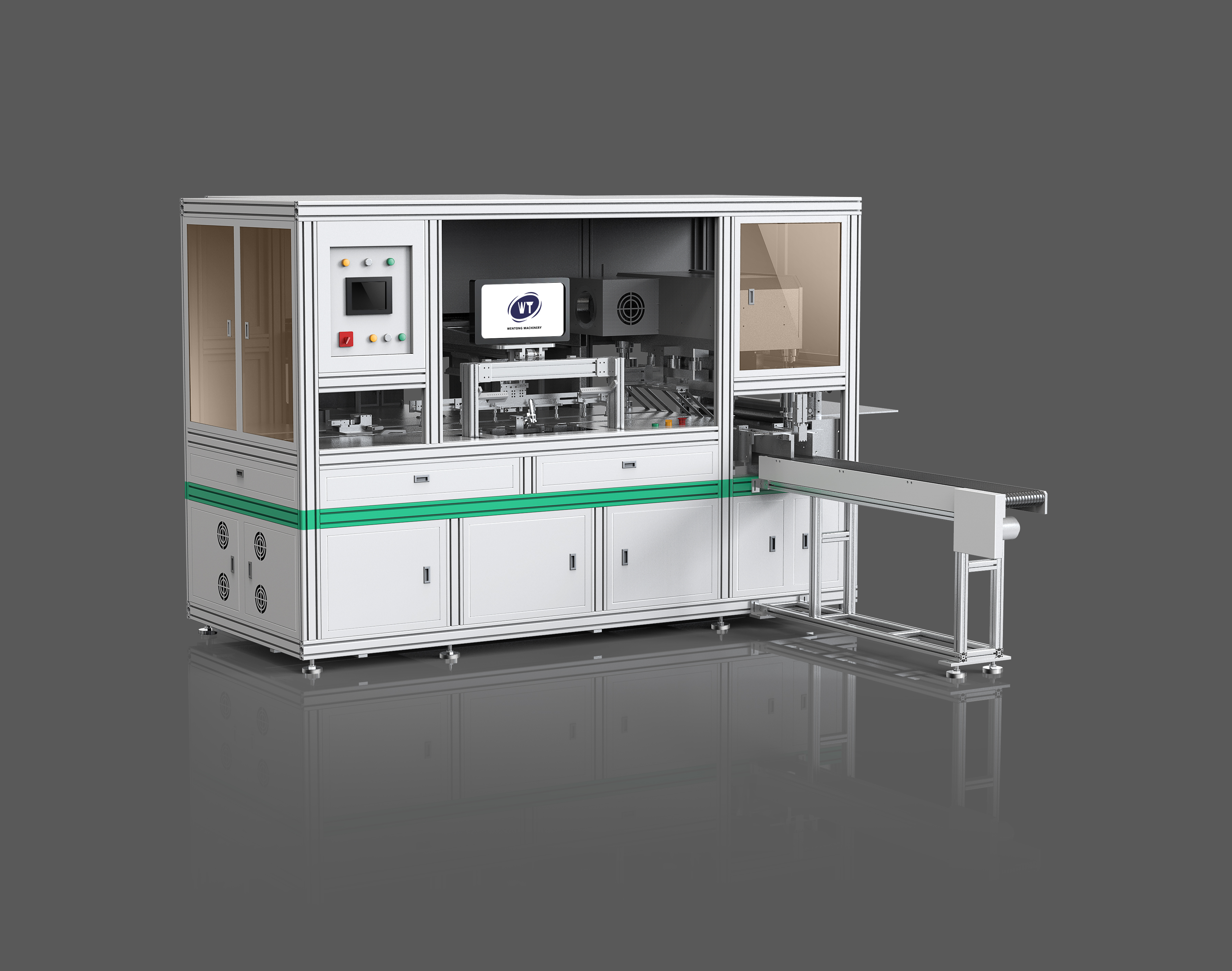
Mechanical Issues: Jamming and Wear in Module Insertion and Cutting Stages
The card machines used in SIM manufacturing really take a beating mechanically, particularly when it comes to inserting modules and making those super precise cuts. Machines jam all the time because of tiny alignment issues that happen when there's too much dust buildup or when cutting blades get dull after extended use. These problems are major headaches for production lines, causing expensive downtime. When these machines run nonstop day and night, thermal expansion becomes another big problem that wears down the insertion arms faster than normal. Many manufacturers have started using laser systems to detect debris early and switching to diamond coated blades instead of standard ones. Field testing at several plants showed components lasted anywhere between 30 to 40 percent longer with these upgrades, which makes a huge difference in maintenance costs over time.
Electrical and Connectivity Problems Affecting SIM Module Integrity
When voltage levels fluctuate while installing SIM modules, it often leads to chain reactions of equipment failure. According to research published last year on IoT hardware reliability, nearly one out of every five bad SIM cards actually stems from unexpected power spikes when activating the chips. The signal quality gets messed up too, mostly because of poor connections in those flat ribbon cables plus electromagnetic noise coming off nearby industrial equipment. Smart manufacturing plants have started adopting backup power systems with two separate circuits alongside specially coated data lines to combat these issues. These measures help keep operations running smoothly most of the time, with many certified factories reporting over 99.5 percent consistent performance despite all the potential disruptions.
Impact of Automation Errors and Misconfigurations in Card Machine Operations
When a pick-and-place algorithm gets messed up just one time, it can throw off alignment on anywhere from 800 to 1,200 SIM modules every single hour in today's manufacturing setups. The good news? New firmware releases have started incorporating these handy auto-calibration features which cut down on those pesky setup mistakes by almost 60% versus when people do it manually. Looking at industry stats, around three out of four automation breakdowns actually trace back to old school control software. That's why companies really need to make sure they schedule regular software updates right alongside their routine maintenance checks if they want production lines to keep running smoothly without unexpected downtime.
Key Stages of SIM Card Manufacturing Vulnerable to Card Machine Malfunctions
Module Insertion and Embedding: Precision Challenges in High-Volume Production
Getting the cavity milling right and placing those chips properly needs pretty much pinpoint accuracy at the micron level. According to recent findings from SIM manufacturing in 2024, about two thirds of all those pesky module alignment issues actually come down to old or worn out vacuum suction systems that just can't suck away all that plastic residue. When this junk builds up, it messes with the actual size of the cavities, which then causes problems with electrical contacts. We're talking roughly one faulty card out of every 150 produced when running at full speed through production lines. That kind of defect rate really adds up over time for manufacturers trying to hit their quality targets.
Card Cutting and Surface Printing: Quality Defects from Mechanical Wear
Blade degradation leads to three primary failure modes:
- Burred edges exceeding 0.2mm tolerance (per ISO/IEC 7810 standard)
- PVC layer thickness variations beyond ±5%
- Surface scratches that impair RFID antenna performance
Automated vision systems detect these issues with 99.7% accuracy—but only when blade replacements follow the manufacturer-recommended 500-cycle interval.
Laser Engraving and Alignment Failures Due to Machine Instability
Thermal drift in card machine lasers accounts for 42% of ICCID encoding errors according to recent industry studies. Stability is particularly challenged in environments with fluctuating conditions:
| Factor | Acceptable Range | Defect Risk Increase |
|---|---|---|
| Temperature | 20°C±1° | 78% per 2°C variance |
| Humidity | 45%±5% RH | 34% per 10% deviation |
| Vibration | <2.5 µm RMS | 210% at 5 µm |
Real-time spectral analysis during engraving helps catch 92% of alignment issues before defective units exit the production line.
Detecting and Diagnosing Card Machine-Induced Defects During Testing
Electrical and Functional Testing: Identifying True Failures vs. False Positives
Rigorous electrical testing is crucial to differentiate genuine SIM defects from transient errors. A 2025 study found that automated functional testing reduces false positives by 62% when validating module conductivity and data integrity. Best practices include:
- Applying dynamic load testing to simulate real-world voltage fluctuations
- Comparing current signatures against baseline metrics using machine learning
- Conducting sequential contact validation to isolate faulty pin connections
Using Automated Vision Systems for Physical Damage and Flaw Detection
AI-powered vision systems achieve up to 95% accuracy in detecting microscopic flaws such as scratches, chip misalignment, and uneven engraving. These systems integrate:
- High-resolution hyperspectral imaging (5μm resolution) to identify material inconsistencies
- Deep learning models trained on over 250,000 defect samples for reliable pattern recognition
- Real-time CAD-based alignment verification within ±0.1mm tolerance
Integration of these tools reduces post-production rework by 38% while ensuring compliance with ISO 7816 standards for SIM durability.
Proactive Maintenance and Advanced Troubleshooting for Reliable Card Machines
Implementing Real-Time Monitoring and Predictive Maintenance Solutions
In today's SIM manufacturing world, card machines need to hit those super tight specs around 0.05mm tolerance marks. The whole operation relies heavily on real-time monitoring systems that keep tabs on things like motor torque levels, how stable the machine stays aligned, and temperature fluctuations across different components. These systems catch warning signs before problems happen, and studies suggest they spot issues ahead of time in about three out of four mechanical failures according to Manufacturing Insights last year. When it comes to predictive maintenance, manufacturers are getting smarter about when to replace parts. Instead of waiting until something breaks down unexpectedly, companies now plan replacements during scheduled maintenance windows. This approach cuts down on those frustrating unplanned shutdowns by roughly a third in facilities running at full capacity. Take cutter blades for instance. Many shops have switched from monthly lubrication routines to applying oil after exactly 12,000 production cycles. This prevents that annoying micro-jitter effect that happens when metal surfaces start rubbing dry against each other.
Leveraging Machine Logs and Technical Support for Faster Issue Resolution
Technicians resolve 43% of electrical faults 23% faster by analyzing error codes alongside historical machine logs. Centralized dashboards correlate events—such as voltage dips during module insertion—with downstream communication failures, enabling rapid root-cause diagnosis. Leading manufacturers cut troubleshooting time in half through:
- Secure data sharing with OEM specialists during warranty claims
- AI-driven review of maintenance records to flag high-risk components
- On-demand spare parts inventories optimized using predictive failure algorithms
Collaboration between plant engineers and automation providers ensures firmware updates proactively address recurring software conflicts, preserving production quotas.
FAQ
What causes card machine jamming in SIM production?
Card machine jamming is often caused by tiny alignment issues that occur due to dust buildup or dull cutting blades.
How do electrical fluctuations affect SIM card quality?
Fluctuations in voltage can cause power spikes that lead to equipment failure and poor signal quality by affecting the SIM chips.
How can automation errors be reduced in SIM manufacturing?
Automation errors can be reduced by incorporating auto-calibration features in firmware and ensuring regular software updates.
What role do real-time monitoring systems play in SIM manufacturing?
Real-time monitoring systems help detect issues early by keeping track of motor torque levels, machine stability, and temperature fluctuations, thus preventing breakdowns.
Table of Contents
- Mechanical Issues: Jamming and Wear in Module Insertion and Cutting Stages
- Electrical and Connectivity Problems Affecting SIM Module Integrity
- Impact of Automation Errors and Misconfigurations in Card Machine Operations
- Key Stages of SIM Card Manufacturing Vulnerable to Card Machine Malfunctions
- Detecting and Diagnosing Card Machine-Induced Defects During Testing
- Proactive Maintenance and Advanced Troubleshooting for Reliable Card Machines
- FAQ