 EN
EN


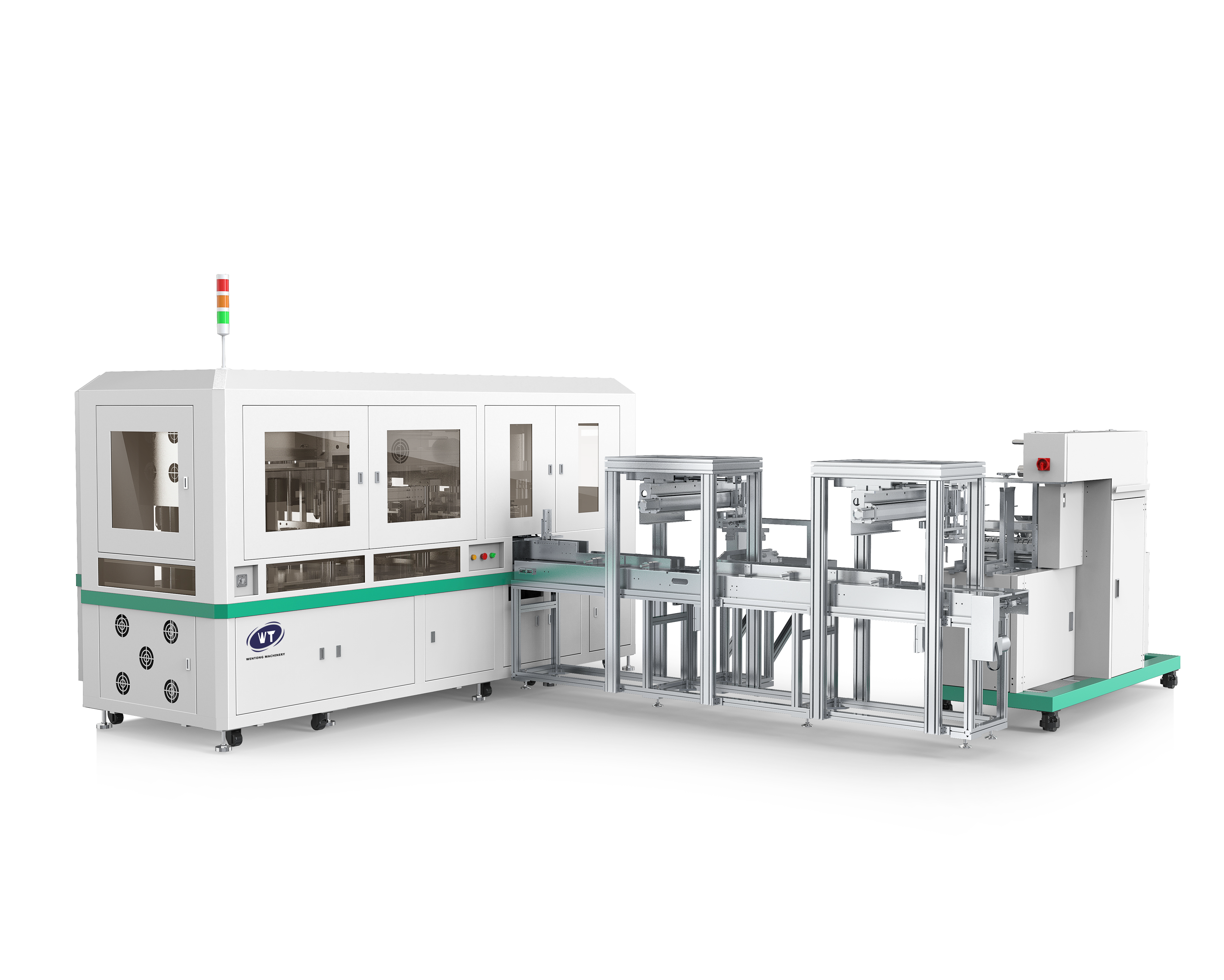
Define Your Moisture Protection Requirements for Card Packaging
Why moisture resistance is critical for greeting cards, gift cards, and ID cards
When cards get wet, they don't just look bad but actually break down in several ways. The paper warps, colors run together, and electronics stop working properly. For greeting cards printed with watercolors or metallic inks, quality drops off noticeably once humidity goes over 60%. Gift cards are another problem area because moisture eats away at the chips inside, causing payments to fail. ID cards aren't safe either since they either come apart at the seams or their magnetic stripes fade out completely, which means losing important information and having trouble verifying identities. One big name in manufacturing saw something pretty shocking when testing gift cards under tropical conditions (around 85% humidity and 30 degrees Celsius). Nearly 37% of them stopped working altogether. Before picking out any moisture protection solutions, it's really important to figure out what kind of environments these cards will face. Are they going to sit on store shelves? Stored in warehouses? Shipped across oceans? Knowing this helps determine what level of protection is actually needed for different situations.
Key industry benchmarks: ASTM D7709 (moisture vapor transmission) and ISO 15106 (oxygen barrier)
To figure out what level of protection is needed, manufacturers should look at standard measurement systems. The ASTM D7709 standard tests how much moisture vapor passes through materials, measured in grams per square meter per day. For premium cards going into markets with lots of humidity, the barrier material needs to stop at least 0.5 grams of moisture from passing through each square meter daily when tested at 38 degrees Celsius and 90% relative humidity. Another important test comes from ISO 15106-2 which looks at oxygen transmission rates. This measures how much oxygen gets through the packaging, ideally no more than 0.1 cubic centimeters per square meter per day at room temperature conditions of 23°C and 50% humidity. Why does this matter? Because metal parts inside smart cards and electronic gift cards can corrode if exposed to too much oxygen over time. Products that don't meet these standards tend to have around 23% more defects during those accelerated aging tests we run in labs. When choosing materials, consider where the cards will actually be used. Cards heading to tropical climates or coastal areas definitely need materials that pass the ASTM D7709 requirements. And for any card with built-in electronics, it's best to go with materials that satisfy both standards simultaneously.
Match Film Materials to Your Flow Wrapping Machine Capabilities
Evaluating High-Barrier Films: Metallized PET, PVDC-Coated CPP, and Aluminum-Laminated Options
Getting a good Water Vapor Transmission Rate (WVTR) really depends on how well the film works with the machinery. Metallized PET is great for reflecting light and resisting punctures, but if the tension isn't just right during sealing, those layers can separate and ruin everything. PVDC coated cast polypropylene (CPP) has amazing clarity and stands up to chemicals pretty well. The catch? Its thermal activation window is super tight, so machines need to maintain temperature within about one degree Celsius between those sealing jaws. Aluminum laminated films offer the best protection against moisture loss, typically below 0.05 grams per square meter per day. But these films demand special handling too. Without proper edge guiding and steady feeding through the system, they tend to wrinkle badly and create inconsistent seals that let moisture in where it shouldn't be.
How WVTR <0.5 g/m²/day Demands Precise Film Tension, Tracking, and Feed Control
Ultra-low WVTR hinges on seamless synchronization between film properties and machine mechanics:
- Tension control: Deviations beyond 5% induce stretching or slack, degrading barrier consistency—especially in metallized layers.
- Optical tracking: Submillimeter registration accuracy maintains alignment across reflective or printed surfaces.
-
Feed synchronization: Servo-driven nip rollers must adjust film speed within 0.1-second intervals during acceleration to preserve seal continuity.
Laboratory testing confirms improper tension alone can increase WVTR by 40–200% in metallized films—enough to invalidate ASTM D7709 compliance. For oxygen-sensitive cards, achieving ISO 15106 certification also requires integrated gas-flushing systems working in concert with these precision controls.
Verify Sealing Performance and Machine Precision for Airtight Moisture Barriers
Critical sealing parameters: hot-bar temperature stability, dwell time repeatability, and jaw pressure uniformity
The integrity of seals serves as the last barrier against contamination and represents where failures happen most frequently. When temperatures swing beyond ±3°C, it really messes with how sealants work properly. If the time spent sealing isn't consistent, tiny gaps form between layers. And when jaw pressure falls outside the sweet spot of 40 to 80 psi, we either get incomplete bonding or distorted films. Looking at industry numbers, more than 80 percent of all moisture problems in card packaging come down to faulty seals. These flaws are often so small they go unnoticed by just looking at them, but they still let in about 0.1 grams per square meter per day of water vapor. That might not sound like much, but after only a few weeks, this level of moisture can actually cause paper-based products inside these packages to bend and deform completely.
Real-world impact: How seal force calibration reduced moisture-related returns by 92% for a premium card manufacturer
One major credit card company slashed humidity-related product returns by almost 92% when they started doing quarterly seal force checks following ASTM F88 standards for peel tests. By making sure all the sealing jaws were properly aligned and verifying pressure settings, they got rid of those weak spots that had been causing about half of all field failures before. After these adjustments, the seals held at least 8 pounds per inch of force, way beyond the standard 5 pound minimum needed for keeping moisture out. The results? Products lasted on store shelves nearly 18 months longer, and the company saved around 7 tons of plastic film each year from being wasted. What this shows is that taking time to regularly calibrate machines isn't just good theory it actually makes packaging perform reliably in real-world conditions where products face all sorts of environmental challenges.
FAQ
Why is moisture protection vital for card packaging?
Moisture protection is crucial because it prevents paper warping, color fading, and electronic malfunctioning in cards such as greeting, gift, and ID cards.
What are ASTM D7709 and ISO 15106 standards?
ASTM D7709 is a standard for measuring moisture vapor transmission rates in materials, while ISO 15106 focuses on oxygen transmission rates, helping to prevent corrosion in electronic cards.
How can moisture resistance be enhanced in card packaging?
Moisture resistance can be enhanced by choosing film materials like metallized PET, PVDC-coated CPP, and aluminum-laminated options that align with wrapping machine capabilities, ensuring precise tension, tracking, and feed control.
What sealing parameters are critical for moisture barriers?
Key sealing parameters include hot-bar temperature stability, dwell time repeatability, and jaw pressure uniformity. Maintaining these ensures airtight seals and prevents moisture-related issues.