 EN
EN


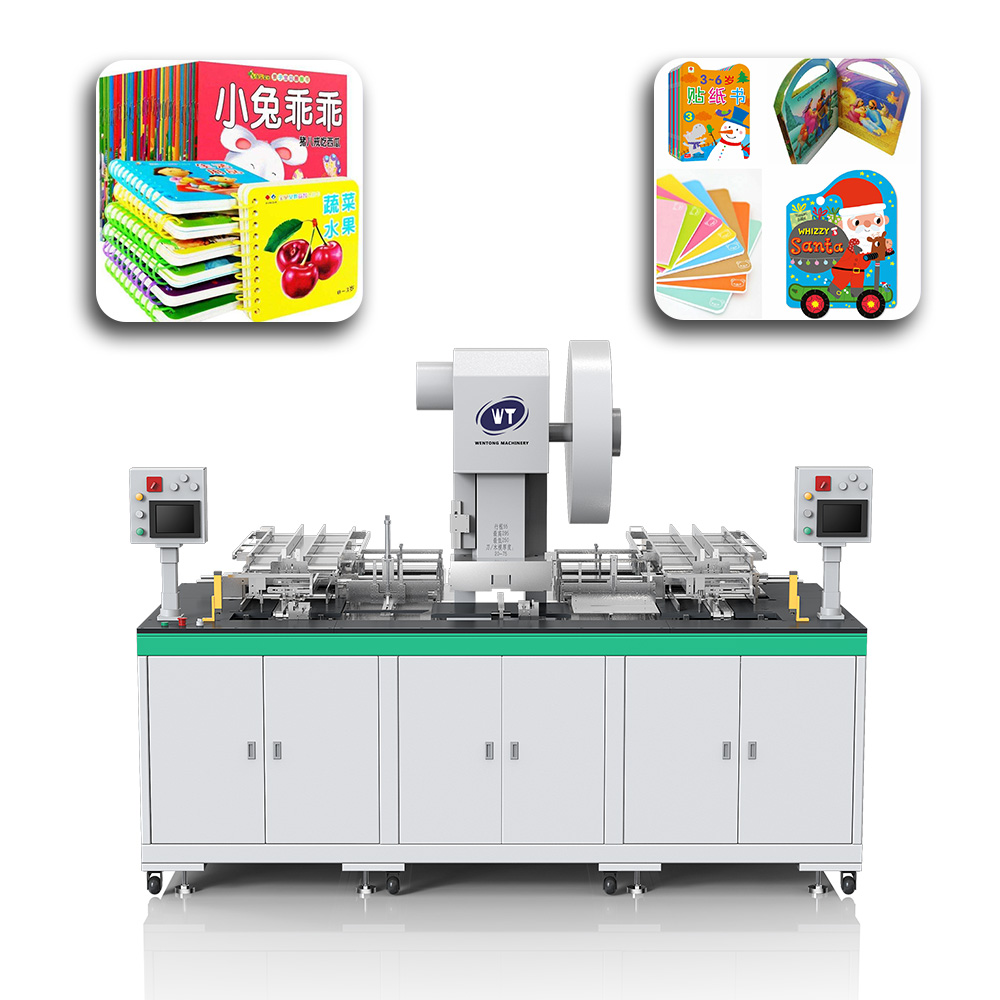
Align Die Cutting Machine Capabilities with Your Card Production Scale and Goals
Hobbyist vs. commercial use: Matching machine durability and throughput to weekly card volume (10 vs. 500+ cards)
Picking out a die cutting machine means figuring out what kind of work it will handle week after week. Most hobby crafters who make around 10 cards or fewer each week find that smaller, budget-friendly machines work just fine for them. These models tend to focus on being easy to operate and taking up less space in home workshops. On the flip side, businesses making over 500 cards weekly need something much tougher. Look for machines with heavy duty steel frames, powerful motors that can keep going without overheating, and safety features designed for long hours of operation. Trying to squeeze high volume work through a hobby grade machine leads to faster breakdowns, more time spent fixing things, and eventually motor burnout when pushed too hard. When shopping for equipment, check those maximum weekly numbers instead of average production rates. Otherwise unexpected slowdowns during busy periods could really hold back business expansion plans.
The 'entry-level trap': Why low-force die cutting machines fail under sustained cardstock load—and how to spot red flags
A lot of cheap machines claim they work with cardstock but just don't have enough power to do the job consistently. Machines that can't deliver at least around 8 kg of cutting pressure will often get stuck, rip paper, or miss parts of the cut when working with thicker materials like laminates or anything above 300 gsm cardstock during longer runs. Watch out for these warning signs: motors that heat up fast, uneven cutting across a single sheet, and companies offering warranties under two years. Before buying, try out any machine with the thickest stuff you normally work with. If you hear it struggling, notice incomplete cuts, or see the blade bending while cutting, that means it simply doesn't have enough strength. Look for machines built with metal gears instead of plastic ones, and ones that come with automatic temperature controls to prevent breakdowns down the road.
Ensure Material Compatibility: Cardstock Thickness, Coating, and Specialty Media Support
300 gsm+ threshold: Why premium coated, textured, or laminated cardstock requires 12 kg cutting force
Cardstock above 300 grams per square meter really pushes the limits of standard die cutting equipment, generally needing machines capable of delivering around 12 kilograms of cutting power. When dealing with coated or laminated papers, there's just more friction to contend with. And textured stocks? They create all sorts of irregularities on the surface that can really trip up machines with weaker cutting forces. What happens when the machine isn't powerful enough? Well, we've seen everything from partial cuts right through to blades wearing out faster than expected, not to mention the annoying tears in the material itself. Getting those sharp, clean edges at these heavier weights isn't just about throwing more force at the problem. It takes careful adjustment of pressure settings too. The best machines for this job typically feature strong hydraulic systems or good quality electromechanical actuators paired with pressure controls that can be tweaked precisely. This combination helps keep those clean edges intact even when working with different types of materials day after day.
Beyond standard paper: Safely cutting kraft, foil-embellished, and layered card blanks
Working with specialty materials like kraft paper, foil decorated sheets, and those layered composite stuff needs some special attention. The thing about kraft is its fiber structure really likes slower feed rates otherwise it just starts to fray apart at the edges. When dealing with foil layers, getting the pressure right matters a lot because too much force will either separate the layers or leave ugly marks on the surface. Take those layered blanks for instance, think foam core boards or those fancy laminated photo cards people love so much these days. These require plates set at just the right depth so they get compressed properly without squishing the delicate top layer flat. And here's something important folks tend to forget: nobody knows better than running actual tests with the exact materials and finishing processes planned. Specification sheets can only go so far before real world testing becomes absolutely necessary for proper results.
Prioritize Precision and Integrated Scoring for Flawless Card Assembly
Tolerance matters: How ±0.15 mm accuracy ensures clean borders, precise fold lines, and professional layer alignment
Getting professional quality cards assembled properly depends heavily on how precise the machinery is. When manufacturers stick to a tight tolerance range around 0.15 mm, they get those nice clean edges without fraying issues, even when working with tricky materials like textured paper or laminates. The folds end up right where they should be according to design specifications. Such consistency matters because it stops coatings from cracking when folding happens, plus keeps all those fancy layers aligned perfectly whether there are photos printed over them or metallic foil accents added later. If these tolerances aren't maintained though, things start going wrong fast. Misaligned components create noticeable gaps between parts, something that demands lots of extra hands-on fixing work which nobody wants. That's why top tier equipment incorporates technologies like laser calibration guides, sturdy frames made from cast iron or steel that don't bend easily under pressure, along with sophisticated servo controls for accurate positioning throughout production runs.
Dual-function advantage: How integrated scoring cuts post-processing labor by up to 70%
When scoring is integrated right into the process, there's no longer any need to move cardstock back and forth between different cutting and creasing areas. This cuts down on mistakes from handling, prevents damage to materials, and gives operators a break from all that repetitive work. The latest Craft Business Benchmark numbers show something pretty impressive about these combined functions. They can slash post processing labor by around 70% which means saving well over 3 and a half hours each day when working through 500 cards. What really matters though is how synchronized scoring creates consistently deep creases even across different stock weights ranging from 200 to 400 gsm. Manual techniques just don't match this kind of consistency without going through multiple trial runs first. High end equipment actually embeds scoring blades directly within the cutting die setup. These machines keep their registration accuracy within about plus or minus 0.1 mm between cuts and scores, so every fold comes out perfect automatically without fail.
Choose Between Manual and Digital Die Cutting Machines Based on Control, Flexibility, and Output Quality
The choice between manual and digital die cutting equipment has a major impact on how efficiently products get made, how flexible designs can be, and what kind of costs accumulate over time. With manual machines, operators get hands-on control using actual dies and mechanical components. These systems work best when dealing with standard cardstock materials and producing large quantities of identical items. However, setting up these machines for completely new designs takes quite a bit of time and effort. Digital options take advantage of computer controlled precision instead. This allows for quick adjustments to designs, complex pattern creation through vectors, and works well with special materials such as foil covered stock or embossed surfaces without needing any physical dies at all.
| Factor | Manual Die Cutting | Digital Die Cutting |
|---|---|---|
| Design Flexibility | Limited (die-dependent) | High (file-based, no dies required) |
| Setup Time | 15–30 minutes per new die | <5 minutes per design |
| Material Range | Standard cardstock | Coated, textured, laminated, foil-enhanced |
| Precision Tolerance | ±0.3 mm | ±0.1 mm |
Manual printing units definitely cost less when first purchased, but digital machines can cut down on labor needs by around 40 to 60 percent for projects that involve lots of changes or repeated patterns according to what the print industry generally reports. Businesses that need to create prototypes quickly, handle seasonal product lines, or produce custom orders in small quantities find digital systems work best because they can adapt so easily to different requirements. On the flip side, manual equipment still makes sense for large scale production runs of consistent products where machines just need to keep running without problems day after day. The decision really comes down to what kind of workflow dominates most days at the shop floor level. If things stay pretty much the same all the time, then sticking with manual machines works well enough. But if there's constant pressure to get new designs out fast, going digital becomes necessary despite higher initial expenses.
Frequently Asked Questions
What is the recommended die cutting machine for hobbyists?
Hobby crafters making around 10 cards per week typically benefit from smaller, budget-friendly die cutting machines that are easy to use and fit well in home workshops.
Why might a low-force die cutting machine be inadequate?
Low-force machines often struggle with thicker materials like cardstock above 300 gsm, leading to incomplete cuts and potential overheating of the motors.
What types of materials require at least 12 kg of cutting force?
Premium coated, textured, or laminated cardstock typically requires machines capable of at least 12 kg cutting force for clean and precise cuts.
Should I choose a manual or digital die cutting machine?
The choice depends on your production needs. Manual machines are suitable for large quantities of consistent products, while digital machines offer flexibility and speed for custom orders and design changes.
Table of Contents
- Align Die Cutting Machine Capabilities with Your Card Production Scale and Goals
- Ensure Material Compatibility: Cardstock Thickness, Coating, and Specialty Media Support
- Prioritize Precision and Integrated Scoring for Flawless Card Assembly
- Choose Between Manual and Digital Die Cutting Machines Based on Control, Flexibility, and Output Quality
- Frequently Asked Questions