 EN
EN


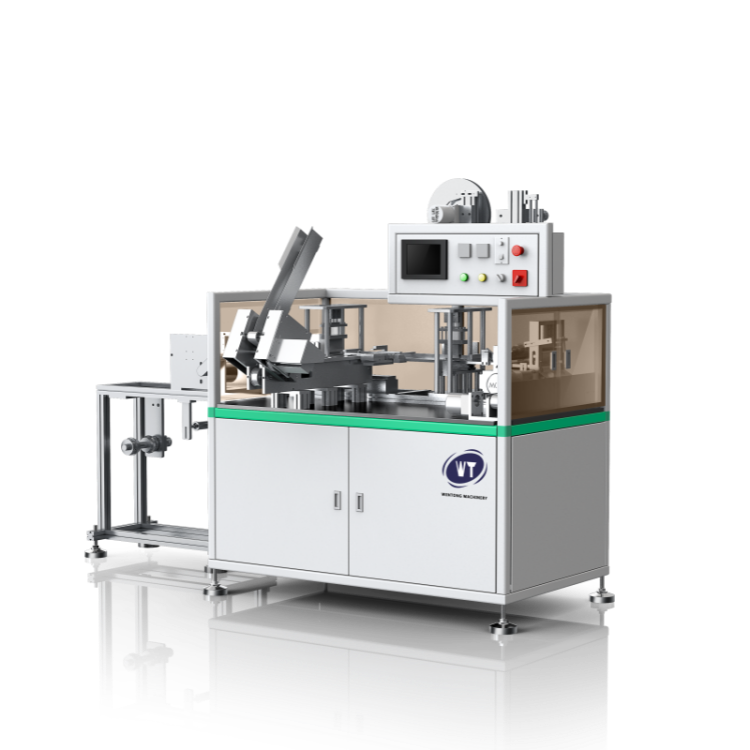
Why Flow Wrapping Machines Are Essential for Packaging Line Optimization
Rising Throughput Demands in Food and Pharma Manufacturing
The food and pharma manufacturing sectors are dealing with massive production challenges right now. Packaging lines have been speeding up quite a bit lately too, averaging around an 18% increase since 2020 according to PMMI data from last year. Traditional manual packaging just isn't cutting it anymore when trying to keep up with these demands. We're seeing between 7% to 12% in lost time costs because of bottlenecks, as noted in Packaging World's 2023 report. That's where modern flow wrapping equipment comes into play. These machines can handle well over 200 products each minute thanks to their servo motor technology, which gets rid of those pesky human speed limits. For companies handling fresh produce or medications with short shelf lives, getting this automated process right matters a lot. Any delay means spoiled inventory and potential problems meeting FDA standards, something nobody wants on their plate.
How Flow Wrapping Enables Seamless Line Synchronization
The Horizontal Form-Fill-Seal (HFFS) system works hand in hand with both the upstream feeders and downstream cartoners through OPC UA protocols. When real time data is exchanged between machines, they can automatically adjust speeds as needed whenever sensors pick up on product buildup. Take this scenario for example: should the vertical bagging machine slow down at all, the flow wrapper will cut back on how fast it feeds film into the system within half a second or so, keeping everything moving smoothly without causing any blockages. Getting all these machines to work together like this really makes a difference. Changeover times get reduced by around 40 percent, and overall equipment effectiveness jumps up to those top tier industry standards of over 85%.
How Modern Flow Wrapping Machines Work: Core Mechanics and Process Flow
Step-by-Step Film Handling: Unwinding, Forming, Sealing, and Cutting
Flow wrapping machines start by taking flexible film, usually BOPP or polyethylene, off a big roll. As it moves along, the film passes over special forming collars that mold it into a tube shape around products traveling on matching conveyor belts. There are two heat sealing systems working together here. First they bond the edges of the film together along the length, then they seal both ends tightly around whatever product is inside. At the end of the line, precision cutters slice through each sealed section with accuracy down to about half a millimeter. These machines can produce over 200 packages per minute while keeping tight control on film tension throughout the whole operation, which helps reduce material waste when switching between different products or sizes.
Critical Components: HFFS Architecture, Dual-Seal Systems, and Servo-Controlled Cutters
HFFS architecture works by bringing together film forming, product insertion, and sealing all within a single horizontal plane, which makes it so important for overall machine performance. The dual seal system has separate jaw stations handling both the long and short seals, making sure everything gets sealed properly even when dealing with oddly shaped products that don't fit nicely. Servo controlled cutters are pretty smart too since they can program themselves to adjust cutting lengths on the fly. This becomes really handy when changing from one product size to another, saving about 70% of the time needed for setup compared to older mechanical systems. All these parts work together like a feedback loop where sensors constantly check how good those seals are holding up and whether the cutters stay aligned. If something goes off track beyond what's acceptable (around half a millimeter), the system automatically fixes itself before anything breaks down completely.
Key Selection Criteria for Maximum Flow Wrapping Machine Efficiency
Product and Film Compatibility: BOPP vs. PE, Registered vs. Unregistered Feeds
Choosing the right film makes all the difference when it comes to keeping seals intact and controlling costs. BOPP gives excellent clarity and rigidity, which works great for things that need to stay firm. PE is better suited for items with odd shapes since it stretches more easily. When dealing with registered films that have pre-printed designs, optical sensors become necessary to line everything up properly. This adds another layer of complexity compared to just running unregistered materials through the system. According to some recent data from Packaging Digest last year, about one out of every four wrapping problems happens because the wrong film was matched with the product. These issues often show up as broken seals where the tension simply doesn't match what the material can handle.
| Film Type | Best For | Speed Limit | Cost Impact |
|---|---|---|---|
| BOPP | Rigid items | ≤ 150 ppm | +15% |
| PE | Irregular shapes | ≤ 200 ppm | Baseline |
Modular Design vs. Integrated OEM Ecosystems: Balancing Scalability and Uptime Risk
Modular setups let companies upgrade bit by bit, say adding those fancy servo-driven cutters when needed, but they can run into headaches where different parts don't play nice together. On the flip side, when manufacturers go with integrated OEM packages, everything just works out of the box most of the time. The downside? These systems tie businesses into specific vendor ecosystems that are tough to escape later. Facilities running at really high capacity levels, think above 95% overall equipment effectiveness, typically see their troubleshooting time drop around 40%, according to Packaging World last year. Meanwhile, modular approaches tend to save money long term too, cutting total cost of ownership somewhere around 18% because parts can be sourced from multiple suppliers instead of being stuck with one vendor. Plants that switch products more than ten times a day find modular systems particularly useful for keeping up with changing demands. But if a facility is cranking out massive volumes of the same product day after day, sticking with OEM solutions often makes more sense in the long run.
Strategic Integration of Flow Wrapping Machines into End-to-End Packaging Lines
Real-Time Coordination with VFFS, Cartoning, and MES via OPC UA
Peak line efficiency occurs when flow wrapping machines synchronize seamlessly with vertical form-fill-seal (VFFS) units, cartoners, and Manufacturing Execution Systems (MES). OPC UA enables cross-brand interoperability by standardizing machine-to-machine communication. As a result:
- Flow wrappers dynamically adjust film tension based on real-time VFFS output rates
- Cartoning machines receive verified package dimensions before product arrival
- MES platforms aggregate OEE and performance data across all equipment
When these systems are properly integrated together, changeover times drop around 35%, which makes a real difference on production floors. The machines also stop running unexpectedly much less often because they avoid those pesky problems where one part of the line isn't matching up with another. And there's something else worth mentioning about predictive maintenance too. These alerts pop up when the seals start wearing down or when servos act funny, so we can fix things before they cause bigger headaches. What this means for manufacturers is that their flow wrapping equipment doesn't just sit there doing its own thing anymore. Instead, it works hand in hand with everything else in the packaging process, creating smoother operations across the whole facility.
FAQs
What is a flow wrapping machine?
A flow wrapping machine is an automated packaging solution that wraps products using a film, typically by forming a tube of film around products and sealing it to form packets.
Why is automated flow wrapping beneficial for the food and pharma industries?
Automated flow wrapping is beneficial because it significantly increases packaging speeds, reduces human error, and helps maintain product quality and shelf life, especially crucial for perishable goods.
What are the key components of HFFS flow wrapping machines?
The key components include the film forming and sealing system, dual-seal systems, and servo-controlled cutters, all of which work together to optimize packaging speed and accuracy.
How does film selection impact flow wrapping efficiency?
Proper film selection is crucial for maintaining seal integrity, accommodating product shapes, and minimizing costs. Different films like BOPP and PE have specific benefits in terms of clarity, rigidity, and flexibility.