 EN
EN


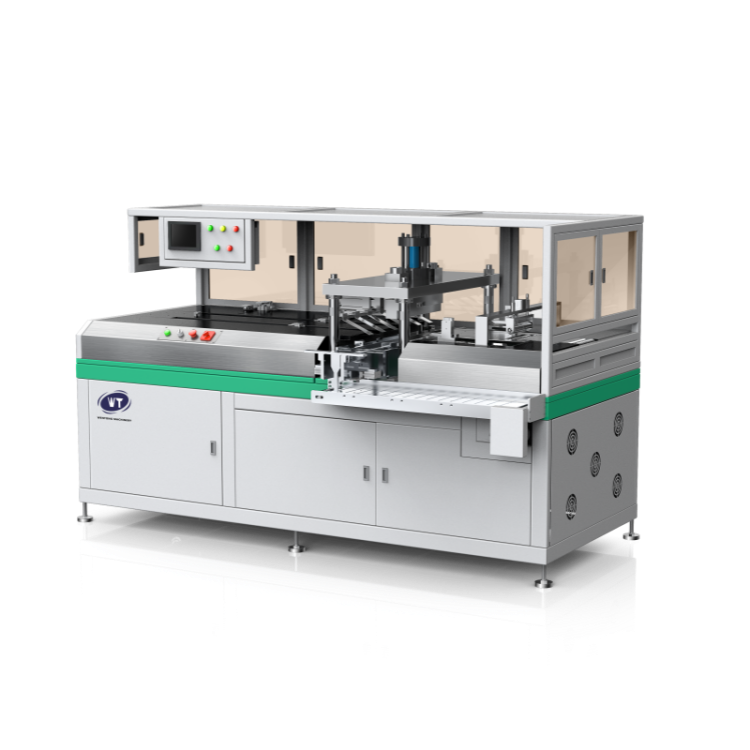
Eliminating Bottlenecks: How Slitting Machines Boost Throughput in Paper Card Production
Manual and Semi-Automated Cutting Limitations in High-Volume Card Runs
Manual card-cutting methods typically cap output at 200–300 units/hour. Operators face alignment errors and inconsistent pressure when handling rigid materials like 300 gsm cardstock, requiring frequent stoppages. Semi-automated die cutters improve marginally but still demand manual web threading every 30 minutes—introducing workflow interruptions that compound during high-volume runs.
Core Mechanism: Continuous Web Processing and Reduced Downtime with Rotary Slitting
Rotary slitting machines eliminate these bottlenecks through uninterrupted web processing. Servo-driven blades maintain ±0.15 mm tolerances while converting master rolls into narrower strips at 60 m/min. This automated setup reduces changeover times by 70% compared to die-cutting, as tooling adjustments occur during runtime without stopping production.
Real-World Impact: 32% Throughput Gain at a Midwest Packaging Converter
After implementing a slitting system, a Midwest packaging converter achieved 5,200 cards/hour—a 32% throughput increase over die-cutting methods. The continuous operation prevented $18k in annual downtime losses and reduced manual interventions by 40 personnel-hours weekly. Production cycles shortened by 2.3 days for 50k-unit orders, demonstrating scalability for seasonal demand surges.
Enhancing Precision and Reducing Waste with Advanced Slitting Machine Capabilities
Edge Defects and Dimensional Drift in Traditional Die-Cut Card Stock
Traditional die-cutting methods often struggle with inconsistent pressure distribution across cutting surfaces. This leads to frayed edges, micro-tears, and dimensional variations exceeding ±0.5 mm in paper card stock. Manual feeding processes compound these issues, causing misalignment during high-volume runs—necessitating rework or scrapping entire batches and directly eroding material yield.
CNC-Guided Blade Positioning for Sub-Millimeter Tolerance Control (±0.15 mm)
Today’s slitting machines come equipped with computer controlled blades that are positioned using lasers for maximum accuracy. These machines have servo motors that tweak the cutting angle as needed during operation, while special sensors keep the tension consistent throughout the web. What does this mean in practice? The machine can cut materials with incredible precision, down to about 0.15 millimeters either way - roughly the same as putting two business cards on top of each other. There’s also a feedback system built into these machines that adjusts automatically when materials expand or contract. This means operators don’t have to worry about making mistakes with measurements anymore, and production stays consistently accurate from one shift to the next without any loss in quality.
18% Material Waste Reduction After Slitting Machine Retrofit at Kraft Cardboard Producer
In late 2024, a packaging company based somewhere in the Midwest decided to upgrade old machinery by installing precision slitting tech. The results were pretty impressive according to their records after putting it all together. They saw around 18 percent less trim waste when working with different types of coated cardboard. That actually meant cutting down on roughly 2.3 tons of scrap material each month without compromising those important ISO 9001 standards for dimensions. Looking through production reports, it became clear that most of this improvement came from fixing those pesky edge issues and keeping slit widths much more consistent throughout runs.
Lowering Labor Costs and Improving Consistency Through Slitting Machine Automation
Operator-Dependent Setup Variability and Alignment Errors in Legacy Processes
The manual approach to making cards just isn’t consistent enough because it relies so much on what operators decide. When setting things up, workers have to make judgment calls about how aligned everything is and how tight the tension should be. This leads to differences between different batches of cards produced. Small mistakes matter a lot when producing large quantities. Something as tiny as half a millimeter off in registration can really mess things up over time and force companies to do extra work fixing problems later. All these factors related to human involvement mean factories spend around 30 percent more time on labor than they would with machines doing the job automatically. Plus, there’s simply more waste generated this way since imperfect products end up getting thrown away instead of being used.
Integrated Web Guiding and Closed-Loop Tension Control for Stable, Hands-Off Operation
Today’s slitting machines have largely taken over from manual operations thanks to their automated features. Advanced laser sensors constantly monitor where materials are positioned, making tiny adjustments to keep everything aligned within about 0.15 mm accuracy. At the same time, these machines use special tension control systems that keep just the right amount of pressure on all the rollers, so there won’t be any annoying wrinkles or tears forming during production. All these technologies working together mean factories can run around the clock with very little need for someone to watch over them. Labor expenses drop significantly - we’re talking roughly 40% savings - and products come out consistently perfect down to the millimeter, even when running thousands upon thousands of units.
Supporting Diverse Card Applications with Flexible Slitting Machine Configurations
Today’s slitting machines handle changing needs in card manufacturing thanks to their modular setup options. These machines work well across different formats such as gift cards, identification cards, and loyalty cards, making switching between materials much faster. The servo driven versions cut down on changeover time around half, so factories can switch quickly from stiff PVC payment cards to soft compostable PLA loyalty cards. This kind of flexibility makes handling orders with multiple materials about 60 percent more efficient according to some estimates. With precision blades maintaining tight tolerances within plus or minus 0.05 mm, even complex shapes become possible including hexagonal designs and those tricky puzzle cuts that really stand out and help brands get noticed. Companies that offer cards not just rectangular see roughly 27% better customer retention rates in practice. What makes these machines so valuable is how they scale production costs effectively whether making small test runs or going all the way up to 500 thousand units each day without needing major machine adjustments.
FAQ
What are the limitations of manual and semi-automated cutting methods?
Manual card-cutting methods have a low output rate and involve frequent alignment errors, requiring constant stoppages. Semi-automated die cutters improve efficiency marginally but still necessitate frequent manual web threading, introducing workflow interruptions.
How do slitting machines boost throughput in paper card production?
Slitting machines enable continuous web processing, reducing downtime and improving throughput significantly. They maintain tight tolerances with servo-driven blades, converting master rolls into narrower strips efficiently.
What benefits does CNC-guided blade positioning offer?
CNC-guided blade positioning offers sub-millimeter precision control and automatic adjustments during changes in material expansion or contraction, ensuring consistent accuracy and quality across production shifts.
How do slitting machines help reduce labor costs?
Slitting machines automate processes that would otherwise require operator intervention, reducing labor costs by approximately 40% and maintaining consistent product quality without manual errors.
What is the impact of slitting machines on material waste?
Slitting machines help significantly reduce trim waste by fixing edge issues and maintaining consistent slit widths, which contribute to a reduction of material waste by up to 18%.
Table of Contents
- Enhancing Precision and Reducing Waste with Advanced Slitting Machine Capabilities
- Lowering Labor Costs and Improving Consistency Through Slitting Machine Automation
- Supporting Diverse Card Applications with Flexible Slitting Machine Configurations
-
FAQ
- What are the limitations of manual and semi-automated cutting methods?
- How do slitting machines boost throughput in paper card production?
- What benefits does CNC-guided blade positioning offer?
- How do slitting machines help reduce labor costs?
- What is the impact of slitting machines on material waste?