 EN
EN


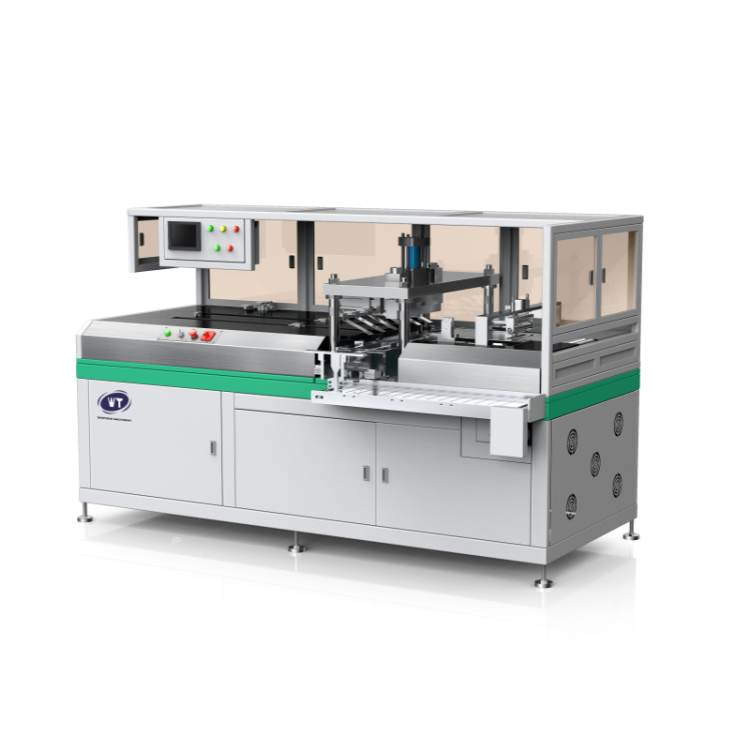
Material Compatibility and Real-World Punching Capacity
Why rated sheet capacity misleads with plastic cards
The sheet capacity ratings given by manufacturers are based on regular 80gsm paper specifications, not for things like PVC or polycarbonate cards at all. Plastic materials have around 2.5 times more shear strength compared to paper, so they need way more force per square mm just to get those clean cuts right. When folks try to use machines rated only for paper with these tougher materials, problems start showing up pretty fast. Punches wear out too soon, holes come out incomplete, and worst case scenario? The cards themselves crack during processing. Industry data from last year shows something pretty alarming actually – over half (about 60%) of all punching machine breakdowns happened because operators were trying to run plastic cards through equipment designed strictly for paper applications.
Paper vs. PVC: Thickness, hardness, and ISO/ASTM tolerance thresholds
| Property | Paper (ISO 536) | PVC Cards (ASTM D813) | Tolerance Threshold |
|---|---|---|---|
| Thickness | 0.08–0.15mm | 0.50–0.76mm | ±0.03mm variance |
| Hardness (Shore D) | < 10 | 75–85 | 5-point deviation |
| Compression resistance | Low (deforms) | High (spring-back) | 15% force variance |
ASTM mandates stricter tolerances for plastic card punching due to material memory effects. Unlike paper–which compresses predictably–PVC rebounds up to 0.1mm post-punching, causing alignment drift in batches over 20 units without precision tooling.
Mechanical Flexibility: Open Throat, Disengageable Dies, and Format Adaptability
Open throat design for oversized plastic ID badges and hybrid batches
The open throat design handles those tricky non-standard card sizes that regular machines just can't manage, which is really important when dealing with those big plastic ID badges companies use for security. What's great about it is that it lets facilities process both paper and plastic cards together in one batch without getting stuck or jammed. The unrestricted side access means staff can position thicker PVC cards (think up to 1.2mm thickness) or laminated ones at just the right angle so edges don't get damaged like they often do in tight feeder systems. For places that work with multiple materials, this feature cuts down on needing separate machines altogether. According to some industry standards we've looked at, changeover times drop around 40% compared to traditional setups, which saves time and money in the long run.
Disengageable dies for precise, mixed-material hole-pattern control
The disengageable die system allows operators to activate specific punches individually, which becomes really important when moving from paper to plastic card production. For PVC materials, we need bigger holes around 3 to 4 mm in size to stop them from cracking during processing. There's also this thing called spring back where the material wants to return to its original shape, so according to ASTM standards, registration tolerances have to be about 15% wider compared to paper products. Having this kind of fine control helps keep everything aligned properly when switching between different materials. It also makes it possible to create special hole patterns needed for things like library cards or event badges without having to swap out entire dies manually every time.
Precision Engineering: Margin Control and Alignment Stability Across Materials
Compensating for plastic card spring-back and stack compression
When punched, plastic cards tend to bounce back slightly, pushing the holes out by about 0.1 to 0.3 millimeters. Paper stacks behave differently, getting squished unevenly when pressure is applied, which leads to all sorts of problems with how deep the punches go into the material. Modern precision equipment tackles these issues through adjustable clamping mechanisms that distribute even pressure during operation. The dies themselves are designed specifically for clean cutting action rather than just smashing through materials, which helps reduce unwanted warping effects. Special alignment features kick in during the punching process to compensate for any shifting materials mid-way through, keeping those holes positioned accurately within plus or minus 0.05 mm range. This matters a lot when dealing with different types of materials together in one batch since many ID card systems require extremely tight tolerances for proper installation on professional mounting hardware.
Long-Term Reliability: Drive Mechanism and Wear-Resistant Components for Mixed-Material Use
Hydraulic, electric, and manual punching machines: consistency vs. control with plastic
Choosing the right drive mechanism makes all the difference when it comes to how long equipment lasts and the quality of plastic cards produced. Hydraulic systems are great at delivering that steady pressure needed for paper products, but they tend to crack PVC over time if run continuously. Electric drives give operators fine control through programming options, though they do produce heat that might warp certain thermoplastics during processing. Manual machines have their place too, especially with delicate materials where operators need to feel what's happening, but these just can't match the consistency required for large production runs. When dealing with mixed batches of different materials, many shops find electric models with adjustable force settings below 2 tons work best in practice. These setups help reduce stress on polymers without sacrificing much speed or repeatability across production cycles.
Hardened steel punches and carbide-tipped dies–essential for plastic abrasion resistance
The wear on tools happens about three times quicker when working with PVC and composite cards compared to regular paper because these materials are inherently abrasive. Carbon steel punches start showing burrs around the 5,000 cycle mark when processing plastics, which leads to those annoying rough edges and off-center holes that nobody wants. Carbide tipped dies tell a different story though they can handle well over 50,000 punches into PVC before showing any signs of wear at all. When dealing with mixed material jobs, going for components hardened to Rockwell C60 plus micro grain carbide inserts makes sense. These setups not only last longer but also maintain better dimensional accuracy across multiple production runs, something that matters a lot in high volume manufacturing environments where downtime costs money.
- Edge chipping during plastic card punching
- Compression drift in stacked paper batches
- Tolerance deviations beyond ISO 7810 specifications
FAQ
Why is rated sheet capacity misleading for plastic cards?
The rated sheet capacity is based on 80gsm paper and not designed for plastic cards like PVC, which have a higher shear strength and require more force, leading to potential damage and machine wear.
What are the main differences between paper and PVC card materials?
Key differences include thickness (PVC is thicker), hardness (PVC is much harder), and compression resistance (PVC rebounds rather than deforms).
Why is an open throat design advantageous for punching machines?
An open throat design allows for processing of oversized and non-standard card sizes, as well as mixed batches of paper and plastic, reducing the need for multiple machines.
What role do disengageable dies play in punching machines?
Disengageable dies allow operators to control hole sizes and patterns for different materials, crucial for avoiding damage to PVC cards during processing.
What impact does spring-back have on plastic card punching?
Plastic card spring-back can cause misalignment in punched holes unless compensated for with precision equipment like adjustable clamping mechanisms.
Table of Contents
- Material Compatibility and Real-World Punching Capacity
- Mechanical Flexibility: Open Throat, Disengageable Dies, and Format Adaptability
- Precision Engineering: Margin Control and Alignment Stability Across Materials
- Long-Term Reliability: Drive Mechanism and Wear-Resistant Components for Mixed-Material Use
-
FAQ
- Why is rated sheet capacity misleading for plastic cards?
- What are the main differences between paper and PVC card materials?
- Why is an open throat design advantageous for punching machines?
- What role do disengageable dies play in punching machines?
- What impact does spring-back have on plastic card punching?