 EN
EN


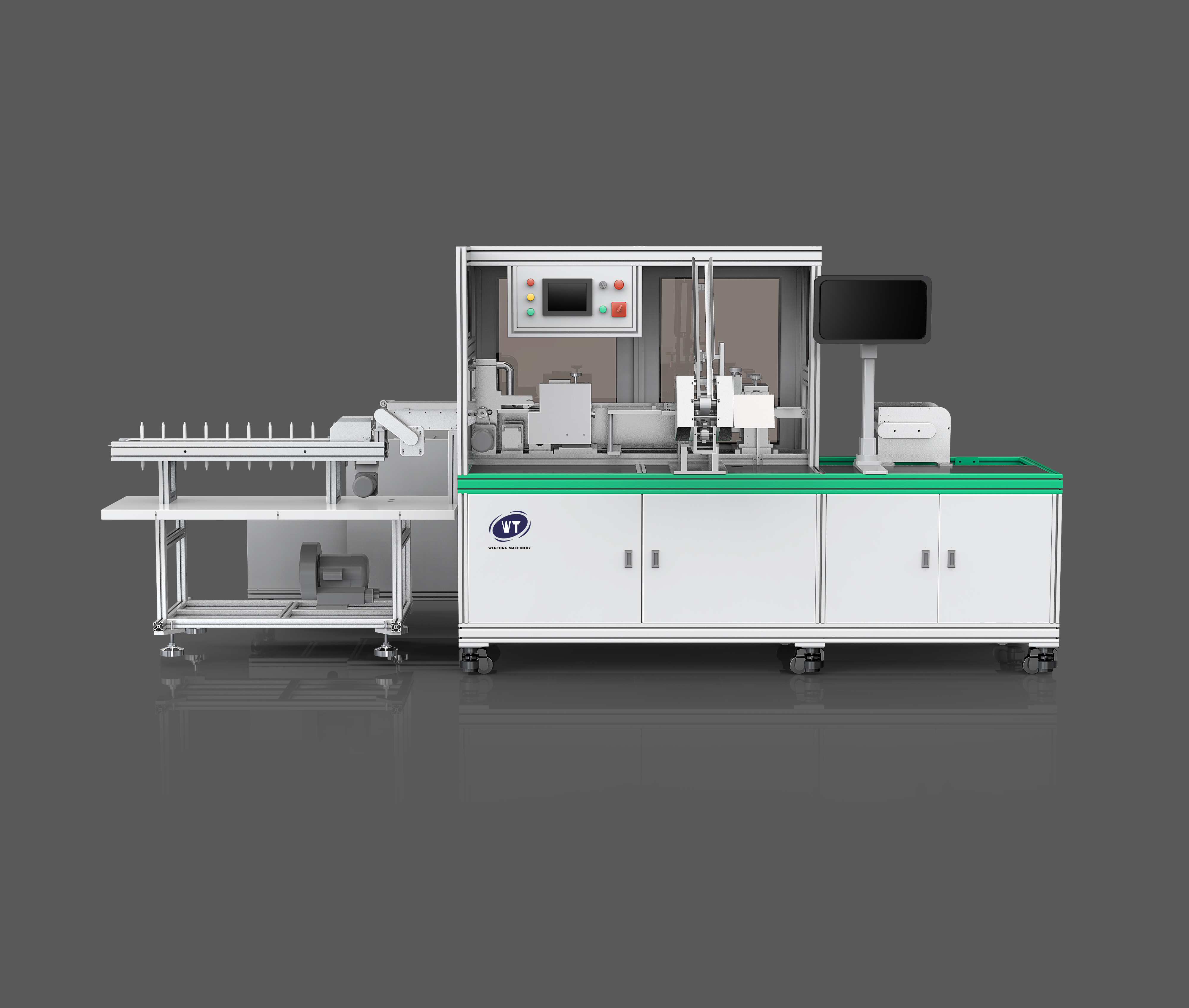
The Hidden Costs of Manual Packing Bottlenecks
Phenomenon: Rising bottlenecks in packaging due to manual processes
The manual packing process has become something of a roadblock for many production lines these days. Problems pile up at every step along the way, starting with basic handling and sorting all the way through to sealing and putting on labels. Take manual strapping for instance it often takes workers anywhere from 2 to 3 minutes just to secure each strap. That might not sound like much until production ramps up, then those extra seconds really start to eat into overall output. And let's face it, these delays aren't just annoying little hiccups in operations. They actually cost companies money in several ways wasted labor time, higher chances of damaging products during handling, and worst of all, failing to keep up with what customers want when they need it most.
Principle: Why human-limited packing fails at scale
When people do the packing work, they face limitations from getting tired, working at different speeds throughout the day, and making mistakes that just happen sometimes. Machines don't have these issues. They keep going at the same rate and accuracy for hours on end without breaking a sweat. The result? What many in the business world refer to as a hidden cost problem where companies end up spending extra money fixing damaged goods, throwing away materials, and seeing their production numbers drop off. Studies indicate around 40% more products get damaged when packed manually compared to automated methods. That kind of damage translates into real money losses from customer complaints, returned items, and ultimately losing shoppers who simply won't come back after bad experiences.
Case Study: Food manufacturer loses 15% of daily output to packing delays
One major snack food producer saw their daily output drop by around 15% because of problems with manual packing. They had plenty of ingredients on hand and enough machines running, but the actual packing line just couldn't handle the volume. Shipments got backed up and customers started getting upset when their orders didn't arrive on time. Looking into what was going wrong showed that workers spending too much time handling and sealing packages was the main issue. The company ended up losing money not just from missed sales, but also paying extra for overtime hours and rushing products out through faster (and more expensive) shipping options. What this shows is that when packing operations rely too heavily on hands-on work instead of automation, it creates real headaches for keeping production moving smoothly and maintaining healthy profits.
How a Packing Machine Dramatically Increases Packing Speed
Phenomenon: Measurable gains in packing speed improvement with automation
Automated packaging systems these days really outpace what humans can do manually. Some top end models hit speeds around 3,600 packages per minute, which beats old school equipment by about 10%. When we're talking about large scale operations, those fancy bag packing machines are filling and sealing roughly 2,400 bags every hour flat out something no team of workers could ever match. The real game changer though is how consistently these machines perform. No tired fingers slowing things down or mistakes creeping in from operator fatigue. Factories run smoother when they know exactly what to expect, keeping production humming at maximum capacity even after hours of continuous operation on the factory floor.
Principle: Core mechanics of automatic packaging machines boosting throughput
What makes automated packaging so fast? Well, it all comes down to those precision servo motors working alongside integrated weight sensors and control systems that are perfectly timed together. When these parts work as a team, they handle filling, then sealing, followed by labeling in one smooth motion. No need for people passing things back and forth anymore, which saves tons of time. Machines can keep going at blistering speeds while still getting everything right. Manual packing just can't match this kind of performance, especially when looking at production lines that need to process thousands of items each hour.
Case Study: Beverage company increases output by 70% using automated packaging equipment
A prominent beverage manufacturer implemented robotic case packing technology, increasing packaging output by 70%. The systems operated at 70 units per minute, handling volumes that previously required multiple shifts of manual labor. This improvement eliminated production bottlenecks, allowing the company to meet growing market demand without expanding facilities or workforce.
Trend: Adoption of automation in packaging across FMCG sectors
Companies in the fast moving consumer goods sector are really jumping on board with automated packaging systems if they want to keep up in today's tight market race. Take e-commerce and food production for instance these areas see massive benefits from faster packaging processes. When products get wrapped up quicker, they reach customers sooner and stay fresher too. What we're seeing now is something even more advanced though. Smart sensors combined with AI tech are changing the game completely. These systems can predict when equipment might fail before it actually happens and adjust themselves automatically during operation. This means factories run smoother day after day without those frustrating stoppages that waste both time and money.
Strategy: Selecting the right packing machine for maximum efficiency gains
Getting the packaging automation right means matching what's needed today with what might be needed tomorrow. Smart companies look for machines that can switch between different formats like bags, pouches, cartons, and bottles because products tend to change over time anyway. When thinking about how much stuff gets packaged per hour, it's wise to go a bit beyond what's required now. High speed models leave room when business picks up. The best buys aren't always the cheapest upfront. They actually save money later through reduced labor costs and better output rates. These kinds of investments pay off quicker than expected and help keep operations running smoothly even as demands grow.
Reducing Labor Dependency and Human Error with Automated Packing
Phenomenon: High Error Rates in Manual Packing Processes
Manual packing suffers from consistent error rates of 3–5%, driven by fatigue, distraction, and inconsistent attention to detail. These errors result in incorrect labeling, improper sealing, variable fill levels, and damaged packaging—all of which increase rework costs and harm customer satisfaction.
Principle: How Packing Machine Ensures Improved Packaging Quality and Consistency
Packaging machines with automatic functions deliver consistent product quality thanks to their engineered precision and computer controlled settings. These systems keep track of fill amounts so every package gets just the right quantity, while also ensuring that seals stay intact and labels end up in the correct spot on each unit produced. The latest models come equipped with smart sensors that watch over operations as they happen, tweaking tiny details when needed to keep production running smoothly no matter how long the run lasts or how many items need processing. This removes the inconsistencies that often creep in with manual labor, something manufacturers have learned to appreciate after years of dealing with human error.
Case Study: Pharmaceutical Firm Reduces Packaging Defects by 90% After Automation
One major drug company recently revamped their medication packaging operation with automation technology, cutting down on defects by almost 90% over just half a year. The new setup pretty much wiped out those pesky human mistakes we see all the time like when leaflets get inserted wrong, labels end up crooked, or blisters don't seal properly. Beyond making things safer and keeping regulators happy, this change slashed quality control work hours by about 40%. Staff members who used to spend all day checking packages now have time to focus on bigger picture stuff that actually moves the business forward instead of just catching little errors.
Strategy: Streamlining Operations with Machine Packaging to Reduce Manual Labor
When companies want to get serious about automation, they need to first figure out which tasks are taking up too much time and causing mistakes. The best candidates for automation are those repetitive jobs that happen over and over again, especially when workers start making errors because they're tired from doing the same thing all day long. Finding machines that fit exactly what products need but can still grow with business demands makes sense for most manufacturers. This kind of setup lets staff move into better positions watching over operations, fixing problems as they come up, and checking that everything meets standards. The result? A shop floor that runs smoother without needing as many hands on deck for basic work.
Maximizing ROI Through Time and Cost Savings in Automated Packaging
Phenomenon: Hidden Costs of Slow, Manual Packing
Manual packing incurs hidden costs beyond direct labor, including product damage from high error rates, material waste due to inconsistent packaging, and fulfillment delays that carry opportunity costs. Research indicates these inefficiencies can inflate operational costs by up to 30% annually.
Principle: Quantifying Time and Cost Savings in Packaging with Automation Technologies
Automated packaging delivers measurable ROI by reducing labor needs by 40–60% and increasing throughput by 70% or more. The Automated Packaging Association reports most companies achieve full ROI within 12–18 months through combined savings in labor, materials, and error reduction. Key benefits include:
- 30% reduction in material waste through precise measurement
- 90% decrease in packaging defects
- 50% faster order processing times
Case Study: E-commerce Packager Cuts Labor Costs by 40% Annually
A mid-sized e-commerce operation reduced its packing staff from 15 to 9 while handling 70% more daily orders after automation. This resulted in $240,000 in annual labor savings, with an additional $50,000 saved from reduced material waste and product damage claims.
Trend: ROI Improvement in Automated Packaging Lines
Modern packing machines use smart sensors and data analytics to further boost ROI. These systems optimize material usage, adapt to product variations, and provide real-time performance insights. Industry data shows companies using advanced automation achieve 25% higher ROI than those using basic systems.
Strategy: Boost ROI and Customer Satisfaction with Faster, Reliable Packing
Getting the best return on investment starts with picking packaging automation that actually fits what products are being handled and how much of them need to go out the door each day. Businesses should look for systems that grow with their operations instead of becoming obsolete when seasons change or new products come online. What really works well in practice is not just buying good machines but also making sure everyone knows how to operate them properly. Companies that invest time in optimizing workflows alongside their equipment purchases tend to see better results long term. Regular checks and adjustments keep things running smoothly while maintaining that all important factor customers notice: consistent quality from one shipment to the next.
Smart Packing Machines: The Future of Precision and Efficiency
Phenomenon: Demand for higher precision in diverse packaging formats
Consumers and retailers now expect flawless packaging across a growing range of formats—from irregular gourmet items to temperature-sensitive pharmaceuticals. Even minor inconsistencies can lead to damage, returns, or compliance issues. Manual methods struggle to maintain the required precision, especially with fragile or complex packaging.
Principle: How automated packaging equipment enables enhanced efficiency and precision
With the help of PLCs and really precise mechanical components, automated systems can hit accuracy down to the millimeter level. These machines take care of things like keeping seal torque consistent, measuring fill volumes exactly right, and making sure labels line up properly without any human error getting in the way. One big name in the food industry saw their packaging mistakes drop by about 40 percent once they started using automated cartoning machines. This shows why so many companies are turning to automation these days it just works better for getting those tight tolerances while also moving faster through production lines.
Trend: Integration of smart sensors and AI in packing machine efficiency
Packaging is heading toward a smarter future thanks to automation technology. Today's equipment comes equipped with cameras that spot bad packages right away and kick them out of the line before they cause problems. At the same time, smart software looks at all sorts of operational numbers to figure out when parts might fail or suggest better settings for optimal performance. What makes these systems really valuable is their ability to fix issues automatically without human intervention. This cuts down on wasted materials and money spent on rework. Over months and years, packaging operations actually get better at what they do because the machines keep learning from every run and adjusting themselves accordingly. Some facilities report up to 30% reductions in material waste after implementing these automated solutions.
FAQ: Common Questions on Automated Packaging
What are the benefits of automated packaging over manual methods?
Automated packaging offers several advantages over manual methods, including reduced labor costs, increased production speed, consistent packaging quality, and minimized errors which can result in material waste and damaged goods.
How does automation affect the ROI in packaging operations?
Automation significantly enhances ROI by lowering labor costs, increasing throughput, and reducing errors. Many companies see complete ROI within 12 to 18 months due to savings in labor, materials, and error reduction.
Is it difficult to transition from manual to automated packaging systems?
While there can be upfront challenges in transitioning to automated systems, investing in operator training and workflow optimization can ease the transition and maximize long-term benefits.
Can automated packaging systems handle diverse packaging formats?
Yes, many automated systems are designed to handle various packaging formats including bags, pouches, cartons, and bottles, making them suitable for evolving product needs.
Table of Contents
- The Hidden Costs of Manual Packing Bottlenecks
-
How a Packing Machine Dramatically Increases Packing Speed
- Phenomenon: Measurable gains in packing speed improvement with automation
- Principle: Core mechanics of automatic packaging machines boosting throughput
- Case Study: Beverage company increases output by 70% using automated packaging equipment
- Trend: Adoption of automation in packaging across FMCG sectors
- Strategy: Selecting the right packing machine for maximum efficiency gains
-
Reducing Labor Dependency and Human Error with Automated Packing
- Phenomenon: High Error Rates in Manual Packing Processes
- Principle: How Packing Machine Ensures Improved Packaging Quality and Consistency
- Case Study: Pharmaceutical Firm Reduces Packaging Defects by 90% After Automation
- Strategy: Streamlining Operations with Machine Packaging to Reduce Manual Labor
-
Maximizing ROI Through Time and Cost Savings in Automated Packaging
- Phenomenon: Hidden Costs of Slow, Manual Packing
- Principle: Quantifying Time and Cost Savings in Packaging with Automation Technologies
- Case Study: E-commerce Packager Cuts Labor Costs by 40% Annually
- Trend: ROI Improvement in Automated Packaging Lines
- Strategy: Boost ROI and Customer Satisfaction with Faster, Reliable Packing
- Smart Packing Machines: The Future of Precision and Efficiency