 EN
EN


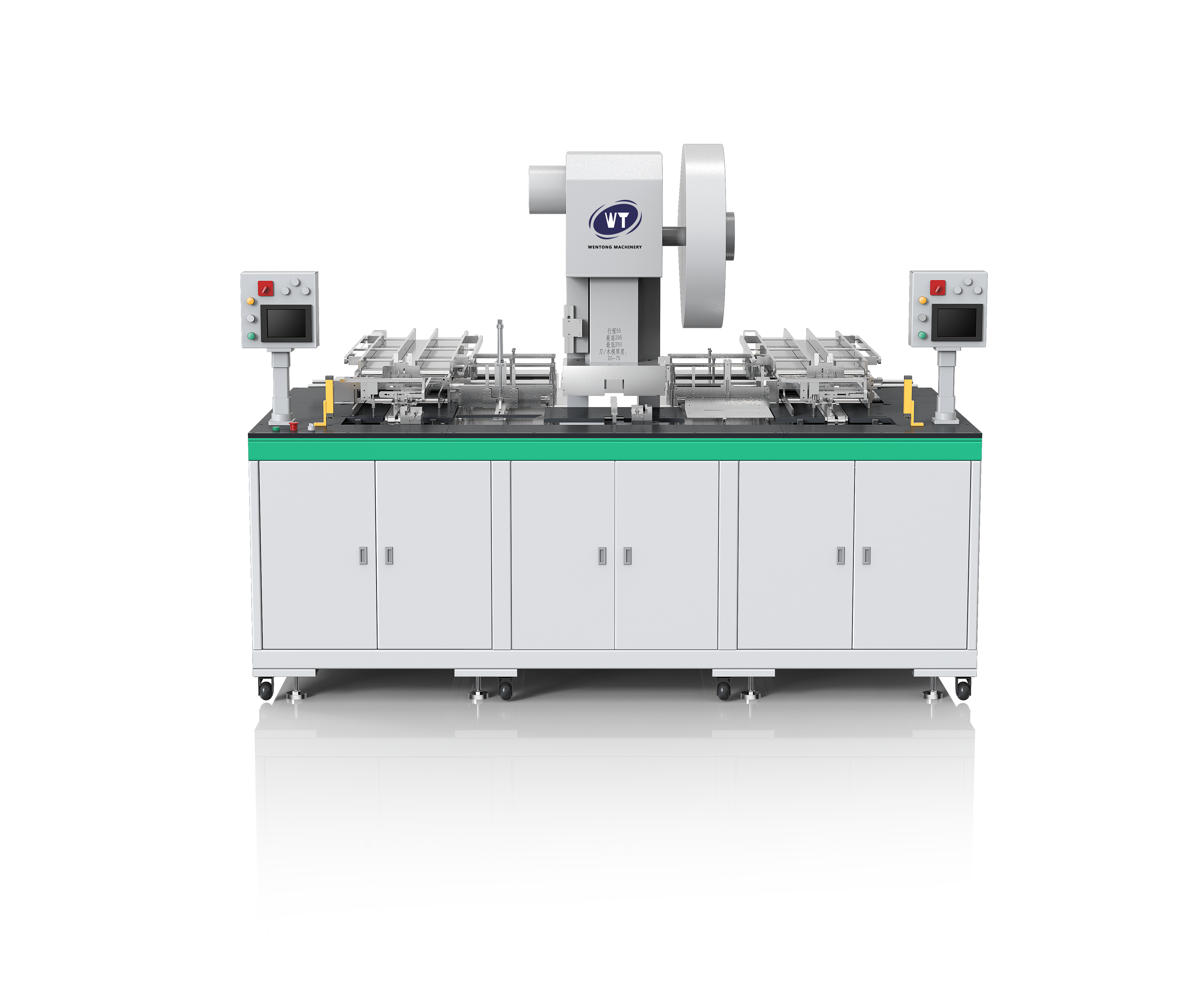
Precision Die Cutting: Micron-Level Accuracy for Thick Board Substrates
Achieving flawless edges on thick board books (12–40 pt) requires specialized cutting technology. Standard blades fray fibrous edges, compromising durability—especially for young readers. Precision die cutters solve this by delivering consistent μ-scale accuracy through optimized processes.
How steel-rule dies achieve ±0.05 mm tolerance on 12–40 pt board—ensuring crisp edges and zero fraying
Steel rule dies work by applying just the right amount of pressure to cut through thick materials without causing tears or damage. The hardened steel blades stay within about 0.05 mm accuracy, something laser cutting simply can't match when working with anything over 8 point thickness since it tends to scorch or melt the edges instead. What makes these dies so valuable? They produce clean cuts free from splinters, keep the material strong even after being handled multiple times, and stop glue from leaking out where layers might fray apart. According to research published by the Board Substrate Council last year, switching to steel rule dies cuts down on wasted material by around a quarter. Plus they prevent delamination problems that often lead to premature failures in children's books used in preschool classrooms across the country.
From sketch to CNC-machined die: Streamlined custom die creation for unique shapes (e.g., animal silhouettes, thematic cutouts)
When complex designs move quickly from idea to actual production, CAD tools are usually behind the scenes making it happen. After artists lock in their final shapes like those detailed animal outlines or holiday themed patterns, CNC machines get to work cutting special steel-rule dies right around three days later. The whole process keeps all those tiny details intact even at the really small 0.5 mm radius level. Plus it gets rid of those annoying mistakes that come from hand tracing and allows for quick changes if something needs tweaking just before going to press. For publishers this means they can experiment with different textures and shapes without holding up their printing timelines, which lets each book title stand out through its physical characteristics instead of just looking the same on shelves.
Functional Innovation: Interactive and Structural Features Enabled by Die Cutting
Precision die cutting unlocks innovative interactive and structural elements in board books—enhancing engagement, functionality, and developmental value—without manual intervention.
Kiss-cut integration with pattern glue for lift-up panels, pull-tabs, and tactile discovery elements
Kiss cutting works by making shallow cuts through just the top layer of material without damaging what's underneath. Combine this technique with carefully placed pattern adhesive and suddenly we get some really cool interactive elements. Think about those pop-up sections that show something hidden underneath, tabs that slide out when pulled, or even textured areas kids can feel with their fingers. What makes all this possible? The fact that the base material stays whole during production. For educators working with young children, these features help engage multiple senses at once, keeping little minds focused longer on whatever activity they're doing. Plus manufacturers benefit too since there's less wasted material compared to other methods.
Scoring, creasing, and nested die sets that enable reliable 3D pop-ups and folded architecture—without manual assembly
The scoring process makes those clean fold lines happen while creasing actually works on softening the material fibers so there's no cracking when things get bent. Combine these methods with what we call nested die sets multiple dies working together in a specific order and suddenly complex stuff becomes automated. Think about those cool 3D pop ups that always come up right when someone opens a page, or those layered folded creations that look like miniature buildings. All this automation means saying goodbye to all that tedious hand folding work. Manufacturers can now produce large quantities with consistent results every time, maintain exact dimensions, and basically cut down on mistakes across the board.
Cost Efficiency and Scalability: Why Die Cutting Lowers Total Cost of Ownership
Data-backed TCO advantage: 23% less material waste vs. laser cutting—and faster throughput at volumes >5,000 units
When it comes to precision die cutting, manufacturers see real savings in their Total Cost of Ownership thanks to better material usage and faster production rates. Take laser cutting versus die cutting for instance – the latter cuts down on wasted materials by around 23%, which matters a lot since raw board stock typically eats up between 40% to 60% of what companies spend on production. Once production hits around 5,000 units or more, automated systems just blow away manual approaches. Throughput jumps anywhere from 30% to 50% because these machines run nonstop and set up quickly every time. What this means for businesses is twofold: each item costs less to make while factories can churn out more goods without needing to invest in new equipment upfront.
Competitive Edge: Accelerated Time-to-Market and End-to-End Workflow Integration
When it comes to production times, precision die cutting really speeds things up because it brings together design work, making prototypes, and actual manufacturing all under one roof basically. The integrated approach cuts out those annoying handoffs between different departments or outside vendors which saves a ton of time. Industry folks say this can cut down time to get products on shelves by around 35 or 40 percent sometimes. For publishers especially, being able to move faster means they can time their releases right when demand is highest seasonally. Custom orders that used to take months now come through in just a few weeks, and companies can grab those extra profits from getting in first in competitive kids book markets where margins might be 10 to maybe even 15 percent higher. Digital versions of die cutting make scaling operations much easier too since manufacturers don't have to wait for tool changes or worry about quality dropping off when adjusting production volumes. Putting all these critical steps from the very first drawing to the last assembled product into one streamlined process helps maintain that consistent feel customers expect, makes logistics smoother overall, and keeps everything meeting those tough spec requirements throughout each batch made.
FAQ
What is precision die cutting?
Precision die cutting is a manufacturing process that uses specialized machinery to cut materials with utmost accuracy, often at micron-level precision, to achieve exact specifications without damaging the material.
How do steel-rule dies compare to laser cutting for thick board substrates?
Steel-rule dies offer superior precision with ±0.05 mm tolerance, especially for thick materials over 8 point thickness, as laser cutting can cause scorching or melting of edges.
What are the cost benefits of using precision die cutting?
Precision die cutting reduces material waste by about 23% compared to laser cutting and increases production efficiency, resulting in lower costs and higher production volumes.
Table of Contents
- Precision Die Cutting: Micron-Level Accuracy for Thick Board Substrates
- Functional Innovation: Interactive and Structural Features Enabled by Die Cutting
- Cost Efficiency and Scalability: Why Die Cutting Lowers Total Cost of Ownership
- Competitive Edge: Accelerated Time-to-Market and End-to-End Workflow Integration
- FAQ