 EN
EN


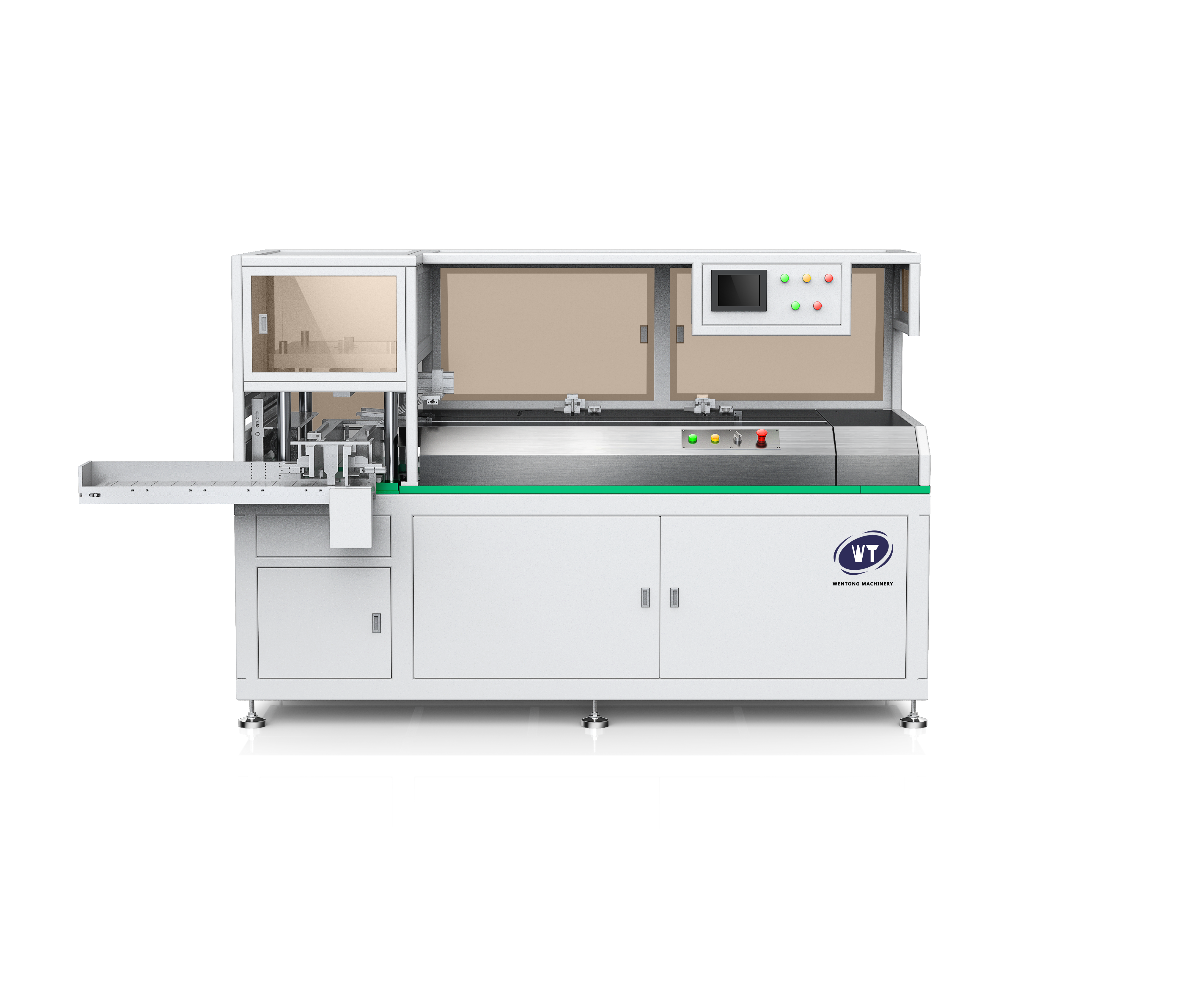
Core Performance Metrics That Define a High-Performance Card Machine
Precision, Scrap Rate, and Uptime: Measuring Real-World Card Machine Reliability
What makes a top quality card machine stand out? Three main factors determine its reliability: first, the machine must align components within plus or minus 0.05 millimeters. Second, it needs to keep scrap rates below 1.5%. And third, it should maintain operation over 95% of the time. Getting this right matters because when chips aren't properly embedded, problems happen. If alignment goes beyond 0.07mm tolerance, contact failures become much more likely. But when everything stays within those tight specs, the antenna paths remain intact for proper contactless function. The best machines today manage to waste less than 0.8% of materials thanks to advanced servo controls that constantly adjust position during operation. Manufacturers design these systems with modularity in mind so technicians can replace parts in under 15 minutes flat. This quick turnaround is absolutely critical for producing things like credit cards or security passes where delays simply won't cut it.
Speed vs. Burr-Free Cutting: Balancing Throughput and Finish Quality in Smart Card Production
Looking at throughput numbers alone can be pretty deceptive. Machines that boast over 10,000 cards per hour tend to cut corners when it comes to edge quality which matters a lot for actual performance. Getting rid of those tiny burrs down to around 20 micrometers roughness isn't just nice to have it's absolutely essential. Those microscopic leftover bits actually increase RFID signal failures by about 17 percent and make the cards wear out faster after being inserted multiple times. Top end card cutting systems these days work smarter not harder. They automatically tweak both pressure applied and how fast blades move depending on what kind of material they're working with. This lets them keep up with around 8,000 cards an hour while still keeping those edges looking good even when dealing with tricky combinations like carbon fiber mixes or recycled plastic materials.
Smart Card Machine Capabilities for Modern Technology Requirements
Support for Dual-Interface Cards (Contact + Contactless) and EMV/NFC/Biometric Integration
Today's card readers need to work with both types of cards at once - those with the old fashioned metal contacts and the newer ones that talk through RFID signals. They also have to meet all those EMV standards so the chips can be properly personalized securely. The NFC stuff matters too because it lets phones pay smoothly without hiccups. When companies want to put fingerprint sensors inside cards though, things get really tricky. Those tiny sensors need to sit exactly where they're supposed to down to fractions of a millimeter, and the pressure during manufacturing has to be just right when laminating everything together. If manufacturers skip any of these details, they'll run into serious problems trying to ramp up production for new ID systems, payment solutions, or access control programs that everyone keeps demanding these days.
Hot Foil Stamping, Laser Engraving, and Chip Embedding Compatibility as Critical Card Machine Features
The physical finishing side of things matters just as much. When it comes to hot foil stamping, getting those metal logos on materials without causing them to warp takes real precision at stable temperatures. Laser engraving works differently but still needs super fine control over the beam down to microns for lasting marks that stand out clearly, whether they're fancy holograms or security serial numbers. And then there's the whole chip embedding process. These systems need to align components perfectly every single time with tight control over pressure applied. Even small mistakes here can ruin delicate integrated circuits or break important bonds between parts. Manufacturers who get all these aspects right tend to see almost no waste products coming out of their production lines, plus customers love how these finished products feel and look when handled.
How Leading Card Machine Manufacturers Compare on Key Operational Strengths
HID (ex-Datacard): Security-Centric Architecture and ISO Compliance Leadership
HID leads in security-integrated architecture, embedding hardware-level encryption and secure boot protocols to prevent tampering during personalization. Its ISO/IEC 27001-certified systems enforce cryptographic module integrity and block unauthorized firmware modifications—reducing security incidents by 47% versus standard configurations while sustaining 99.95% uptime during extended production cycles.
Matica & NBS: Mid-Volume Flexibility, Robust Material Handling, and Chip-Handling Consistency
When it comes to combining speed with accuracy, Matica and NBS really stand out. Their card machines work seamlessly with materials like PVC, PET, and various composites without needing constant adjustments, which cuts down on material switching time by around 80%. The systems feature dual track feeding combined with optical alignment technology that places chips within just 0.1mm of perfection even when running at speeds up to 1,200 cards per hour. This keeps faulty alignments to less than 0.3% overall. For manufacturers making those complex hybrid access and payment cards that need multiple interfaces, this kind of consistent performance makes all the difference in day to day operations.
Practical Selection Criteria: Beyond Specs to Integration and Security Readiness
When picking out a top notch card machine, don't just look at the ratings sheet. What really matters is whether it's ready for action. Look for systems built with modular designs that can grow with your business. Machines with expandable input/output ports and remote access capabilities tend to last longer when production requirements change or better tech comes along. For security, check if the device meets FIPS 140-3 standards and has passed Common Criteria tests for tamper resistance. These certifications basically prove the encryption works properly and meet regulations worldwide. The numbers tell the story too - companies hit with compliance issues paid around $740k on average each time in 2023. So spending time upfront verifying these specs actually saves money down the road. And dont forget about vendor support. Work with suppliers who will test how well the equipment fits with what you already have, plus offer proper training sessions. Experience shows that getting professional help cuts down installation mistakes by roughly 40% versus trying to set things up alone, making sure everything connects smoothly with current operations.
FAQ
What are the main factors determining the reliability of a card machine?
The main factors include precision alignment, maintaining low scrap rates, and achieving high operational uptime.
Why is burr-free cutting important in smart card production?
Burr-free cutting prevents RFID signal failures and extends card durability, making it essential for high-quality card performance.
What capabilities are crucial for modern smart card machines?
Key capabilities include support for dual-interface cards, EMV/NFC/biometric integration, and precise physical finishes like hot foil stamping and laser engraving.
How do leading card machine manufacturers differentiate themselves?
Manufacturers like HID focus on security-centric architecture, while Matica & NBS emphasize material handling flexibility and chip-handling precision.
What should be considered when selecting a card machine?
Consider integration readiness, security compliance, modular design for future upgrades, and strong vendor support.
Table of Contents
- Core Performance Metrics That Define a High-Performance Card Machine
- Smart Card Machine Capabilities for Modern Technology Requirements
- How Leading Card Machine Manufacturers Compare on Key Operational Strengths
- Practical Selection Criteria: Beyond Specs to Integration and Security Readiness
-
FAQ
- What are the main factors determining the reliability of a card machine?
- Why is burr-free cutting important in smart card production?
- What capabilities are crucial for modern smart card machines?
- How do leading card machine manufacturers differentiate themselves?
- What should be considered when selecting a card machine?