 EN
EN


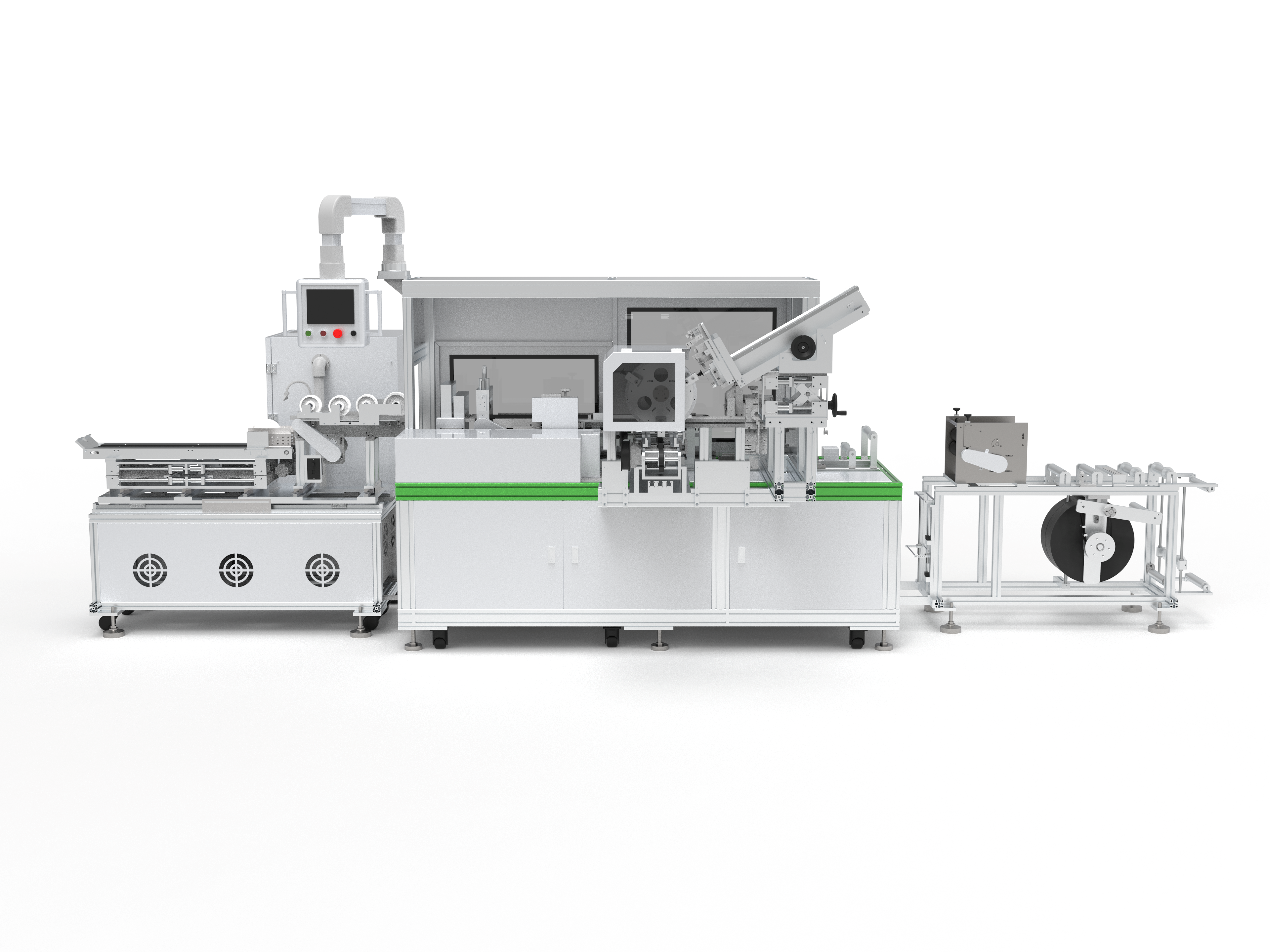
Understand Card-Specific Flow Wrapping Requirements
Dimensional Tolerance and Rigidity: Why Card Geometry Demands Precision Feed and Sealing
Gift cards and loyalty cards present unique challenges for flow wrapping because they're stiff, flat items with very specific dimensions. This rigidity creates problems compared to more flexible products where the material can adjust itself during processing. When running at speed, those hard edges tend to get misaligned, causing jams or failed seals that stop production lines cold. That's why modern equipment needs precision feed systems with good servo control to keep everything lined up properly as the cards pass through the machine. Getting the sealing pressure right matters a lot too. If there isn't enough pressure, we end up with gaps in the packaging. But crank it up too much and the plastic starts to wrinkle or the seals actually break under stress. Most manufacturers aim for an alignment variation below 0.5mm across their specs since this tiny window makes all the difference when it comes to reducing waste, keeping machines running smoothly, and maintaining production rates. The best flow wrappers on the market today come standard with these features built in now.
Film Compatibility and Seal Integrity for Thin, Stiff Cardstock
Packaging films need special consideration when dealing with thin, stiff cardstock materials. Most manufacturers go with polyester films because they stand up better to those sharp corners and edges without tearing. Cold seal adhesives work great too since they bond without heat, which means no warping issues that often plague brittle materials during processing. Getting good seals requires getting the temperature right along with proper pressure application and enough dwell time. If these parameters aren't set correctly, packages tend to peel apart, crack at the seams, or worse yet, completely separate during shipping or handling. Testing compatibility between different cardstocks and films is really important stuff. Do this test with actual samples of what will be used in production to catch problems like static electricity buildup, wrinkles forming in the film, or weak spots where seals might fail later on. Strong seals do more than just keep contents safe from moisture damage or scratches. They maintain product appearance on store shelves and help brands look professional. Talk shop with folks at companies like Sealed Air who specialize in cold seal technology designed specifically for working with rigid cardstock applications.
Match Flow Wrapping Machine Speed and Throughput to Your Card Volume
Evaluating Real-World Output: From Rated 200–600 ppm to Achievable Card-Line Throughput
Flow wrapping machines usually come with specs ranging from 200 to 600 parts per minute, but most card manufacturers find their actual speeds fall short of these numbers. The problem? Several factors limit performance. Machines struggle with rigid geometries, rely on manual loading steps, and face bottlenecks further down the production line. Stiff cards in particular cause major slowdowns, cutting speeds by around 25 to 40 percent compared to flexible products because they tend to misalign and jam more frequently. When dealing with multiple SKUs on the same line, expect output somewhere between 70 and 85 percent of what's advertised. Don't just look at spec sheets then. Real world testing matters a lot here. Get someone to run live demos with exactly the cards, films, and setup that will be used in production. And when looking at case studies, focus on ones that match both the volume levels and product variety seen in your own operations. These real examples tell a much better story about what can actually be achieved versus those tempting maximum ratings.
Minimizing Line Integration Losses in High-Speed Card Packaging
Throughput erosion compounds across integrated packaging stages. A filler operating at 95% efficiency paired with a wrapper at 90% yields a cumulative line efficiency of ≈72% without mitigation—highlighting how small losses cascade. For card lines targeting volumes above 20,000 units/hour, three proven strategies reduce integration losses:
- Accumulation zones: 3–5 second buffer zones between machines absorb micro-stoppages without halting upstream equipment
- Servo synchronization: Electronically matched conveyor speeds prevent card collisions and orientation shifts
-
Automated reject handling: Damaged or misfed cards are removed inline—no wrapper stoppages required
Together, these measures cut unplanned downtime by up to 30%, according to Packaging Digest (2023), preserving throughput scalability and operational resilience.
Select the Optimal Flow Wrapping Machine Configuration: Horizontal vs. Vertical
Horizontal Flow Wrappers for Cards: Superior Conveyor Alignment, Stability, and Uptime
When it comes to wrapping rigid items that need precise dimensions such as playing cards or similar products, horizontal flow wrappers just work better. These machines have those continuous motion conveyors that really hold things steady at speed, keeping everything aligned within about half a millimeter. Vertical systems tend to struggle with gravity pulling things off track, something we see all the time in production environments. For branded cards specifically, getting that edge registration right matters because if the printing isn't spot on, the whole product looks cheap on store shelves. Another big plus with horizontal systems is how they handle the film tension when sealing. This makes a real difference with brittle materials like certain types of cardstock that would otherwise crack under stress. Plus, these machines fit into existing production lines much easier since they don't require any kind of reorientation before moving to cartoning operations. We've seen actual factory data showing around 30% less downtime compared to traditional setups. Leading manufacturers report their horizontal wrappers running over 95% of the time versus roughly 88% for vertical alternatives. That's why most serious players in the card packaging business stick with horizontal flow wrapping solutions for their high volume needs where stability simply cannot be compromised.
Prioritize Automation and Changeover Flexibility for Multi-SKU Card Lines
Quick-Change Tooling and Servo-Driven Format Parts: Cutting Changeover Time by 40%+
Producing multiple SKU cards including those co-branded gifts and seasonal loyalty designs requires fast and repeatable changes between different formats. Today's flow wrapping machines have servo driven components that take the place of old fashioned manual adjustments involving cams, gears and guides. Instead of fiddling with physical parts, operators simply select settings through easy to use interface screens. Tool changes happen within minutes without needing any special training or mechanical know how. Compared to older mechanical systems, this method cuts down changeover times by around 40 percent. What matters most is that it gets rid of the usual 15 to 20 percent drop in production efficiency when switching formats manually. Machines stay productive regardless of whether they're running small cards or large ones. Manufacturers benefit from better overall equipment usage rates, quicker adaptation to what customers want right now, and improved returns on investment for their ever changing card product lines.
FAQ
Why is precision feed important in flow wrapping gift cards?
Precision feed systems with good servo control keep the cards aligned properly during the wrapping process, reducing the risk of jams and failed seals, which can disrupt production.
What materials are recommended for packaging films when working with thin, stiff cardstock?
Polyester films are recommended as they withstand sharp corners and edges. Cold seal adhesives are also beneficial as they bond without heat, avoiding potential warping issues.
Which type of flow wrapper is better for card packaging, horizontal or vertical?
Horizontal flow wrappers are preferable for card packaging due to their superior conveyor alignment, stability, and reduced downtime compared to vertical systems.
How can integration losses be minimized in high-speed card packaging lines?
Strategies such as implementing accumulation zones, servo synchronization, and automated reject handling help in minimizing integration losses, thus ensuring efficient high-speed production.
Table of Contents
- Understand Card-Specific Flow Wrapping Requirements
- Match Flow Wrapping Machine Speed and Throughput to Your Card Volume
- Select the Optimal Flow Wrapping Machine Configuration: Horizontal vs. Vertical
- Prioritize Automation and Changeover Flexibility for Multi-SKU Card Lines
-
FAQ
- Why is precision feed important in flow wrapping gift cards?
- What materials are recommended for packaging films when working with thin, stiff cardstock?
- Which type of flow wrapper is better for card packaging, horizontal or vertical?
- How can integration losses be minimized in high-speed card packaging lines?