 EN
EN


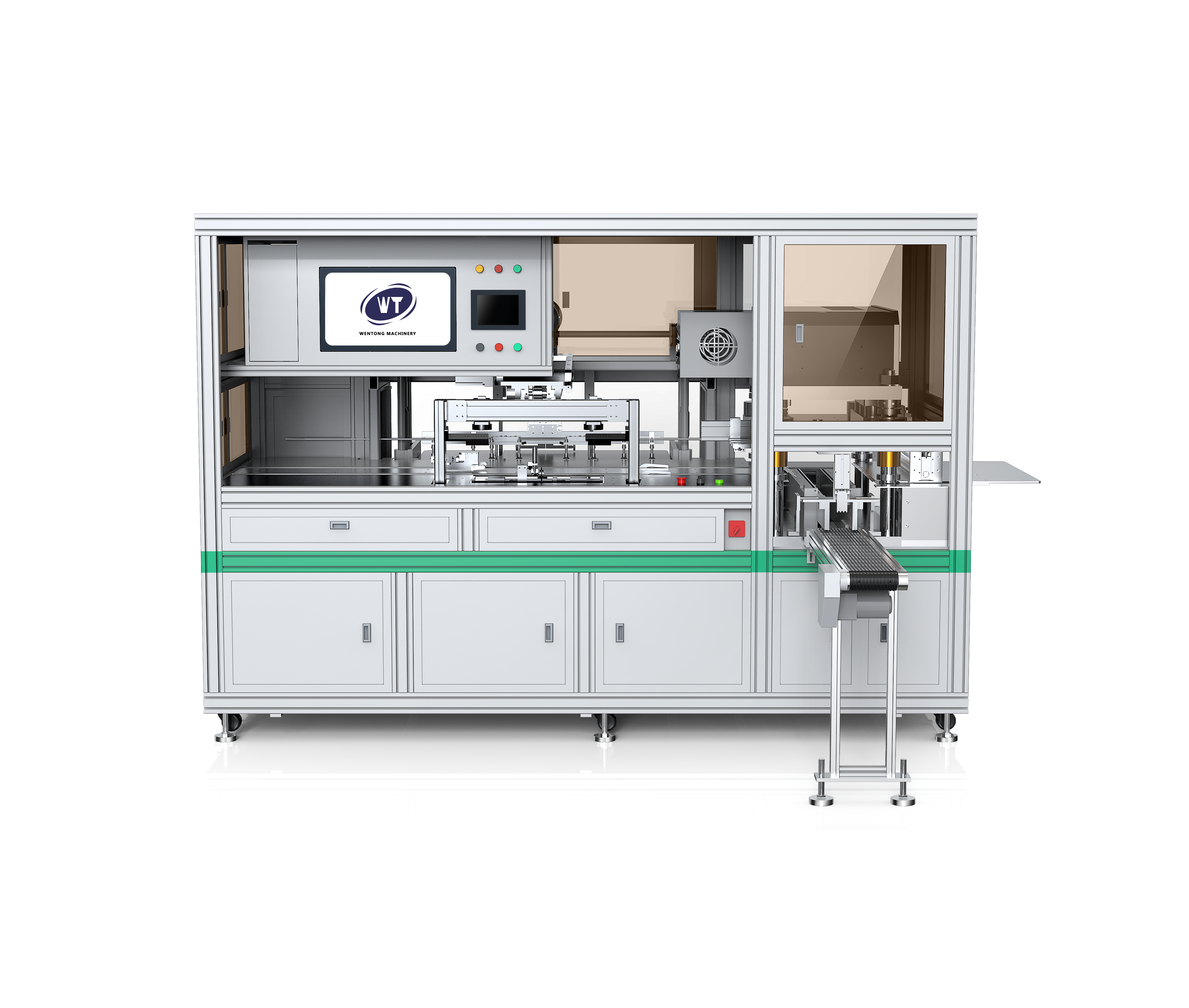
How a Die Cutting Machine Enables Precision and Versatility in Card Design
Achieving intricate geometries and tight tolerances (±0.15 mm) with engineered steel rule dies
Today's die cutting equipment relies on specially crafted steel rule dies to produce incredibly accurate results in custom card manufacturing. These machines can handle complex designs including delicate filigree work, tiny perforations for easy tear-off sections, and even multiple geometric shapes packed together in one piece, all while maintaining tight tolerances of around 0.15 mm throughout entire production batches. That kind of precision beats what traditional hand cutting methods can achieve, which typically sees variations creeping above 0.5 mm. For certain types of specialty cards that need parts to fit together perfectly or require exact alignment for features like security layers or metallic accents, this level of consistency makes all the difference in quality and functionality.
Maintaining registration accuracy across multi-layer laminated or foil-stamped paper cards
Die cutting systems tackle those pesky registration issues in making cards with multiple layers by using precise feeding mechanisms along with optical sensors that spot where things need to line up. The tricky part comes when attaching shiny metal foils onto paper stock or putting together embossed elements because materials tend to expand differently as they go through processing. Good quality machines keep their alignment within about half a millimeter across all the different steps from printing to stamping right down to actual cutting. Getting this right matters a lot for expensive products such as security cards with holograms or fancy invitations covered in gold leaf. These substrates aren't cheap at all either costing upwards of 140 dollars for just one square meter of material.
Flatbed vs. Rotary Die Cutting Machines: Selecting the Right Machine for Your Production Needs
Flatbed die cutting machines for low-to-mid volume, high-complexity custom card runs
Flatbed systems are great for producing cards when volumes aren't too high but complexity is on the rise. The way these machines cut vertically means they can handle thicker materials like laminated substrates up to around 1.5 mm thick. What's really impressive? They still maintain about ±0.15 mm accuracy even when working with complex multi-layer designs such as those fancy foil-stamped invitations people love so much. Speaking of costs, tooling expenses for flatbeds tend to be roughly 40 percent cheaper compared to traditional rotary dies. This makes them particularly attractive for testing prototypes, creating special edition products, or running seasonal batches below 5,000 units. And let's not forget about changeover times either – most setups can be done within just 15 minutes or so. That kind of quick turnaround supports flexible batch processing which is exactly what many small scale manufacturers need to stay competitive in today's market.
Rotary die cutting machines for high-volume, standardized card formats with speed and repeatability
When it comes to producing massive quantities of cards beyond the 10,000 unit mark, rotary die cutting machines simply can't be beat for their output capabilities. These machines work with cylindrical dies that keep running nonstop at impressive speeds reaching around 300 meters per minute. What this means in real terms is that companies save about a quarter on each individual item when compared to using those traditional flatbed systems instead. The best results tend to happen with standard paper types ranging from 200 to 350 GSM thickness. And here's something really important about these machines: they maintain super tight alignment throughout all those copies, staying within just 0.1 mm of precision even after thousands upon thousands of identical cards get made. This kind of accuracy matters a lot for things like loyalty cards, holiday greetings, or packaging materials where every detail needs to match perfectly. Sure, getting started with rotary dies does cost more upfront for the tools themselves, but these dies last through well over a million impressions before needing replacement. That makes them absolutely essential equipment whenever businesses need to produce large volumes repeatedly without compromising quality.
The Strategic Impact of Die-Cut Cards on Brand Differentiation and Customer Engagement
Enhanced shelf presence and social media virality through unique, tactile card shapes
Die cut cards with unusual shapes are changing what we expect from packaging. Think scalloped edges, sharp geometric lines, or even forms that look like the actual product inside. These stand out on shelves where everything else looks pretty much the same. People actually spend about 73% more time looking at them according to Packaging Insights from last year. The three dimensional aspect makes shoppers want to touch them too. What starts as just another item on display becomes something people talk about with coworkers or friends nearby. And when it comes to social media, these eye catching designs get shared online around 57% more often than regular flat cards. Customers snap pictures of the interesting textures and shapes, posting them on Instagram or Facebook. This word of mouth effect helps brands reach new audiences while creating stronger emotional ties between consumers and products.
| Impact Dimension | Physical Retail | Digital Ecosystem |
|---|---|---|
| Consumer Engagement | 73% longer handling time | 57% higher sharing rate |
| Brand Differentiation | Stands out in product clusters | Creates viral visual signatures |
| Loyalty Conversion | Higher in-store conversion | Community-driven advocacy |
This synergy—where distinctive physical traits drive digital engagement—turns customers into active brand ambassadors, making die-cut cards a strategic investment in measurable market differentiation.
Digital Die Cutting Machines vs. Traditional Tooling: Evaluating Cost, Speed, and Scalability
Choosing the right die cutting approach means weighing factors like cost, how fast things get done, and whether production can scale up or down as needed. Digital cutting gets rid of the need for actual physical dies, which cuts initial tooling expenses by around 80-85% compared to old school methods. The time it takes to set everything up drops off a cliff too - making changes to designs now takes just a few minutes instead of waiting days for adjustments. When it comes to running big standard orders (say 10k pieces or more), traditional machines still win out because they're built for volume. But digital setups really shine when companies need quick prototypes or want to produce smaller runs. For scaling operations, digital tech has the edge since its software based system lets manufacturers tweak designs on the fly without having to rebuild entire tooling sets from scratch.
| Factor | Digital Die Cutting | Traditional Tooling |
|---|---|---|
| Initial Cost | Lower (no die fabrication) | Higher (custom die required) |
| Changeover Speed | Minutes (software update) | Days (new die production) |
| Volume Sweet Spot | 1–5,000 units | 5,000+ units |
| Scalability | High (instant design iterations) | Low (physical die constraints) |
For variable designs or fluctuating order volumes, digital die cutting delivers unmatched operational agility. Traditional methods remain superior for consistent, high-volume production—where per-unit costs decline significantly after the initial tooling investment. Manufacturers should align their choice with product lifecycle stage, demand predictability, and design flexibility requirements.
FAQ
What is the main advantage of using a die cutting machine in card production?
Die cutting machines offer precision and consistency in producing complex card designs with tight tolerances, which is essential for specialty cards that require exact alignment or feature intricate designs.
How do flatbed and rotary die cutting machines differ?
Flatbed die cutting machines are ideal for low-to-mid volume, high-complexity runs, offering cheaper tooling and quick changeovers. Rotary die cutting machines excel in high-volume, standardized formats, providing speed and repeatability.
Why are digital die cutting machines considered cost-effective?
Digital die cutting machines eliminate the need for physical dies, drastically reducing initial tooling expenses and allowing for fast design changes, making them suitable for quick prototypes or smaller runs.
Table of Contents
- How a Die Cutting Machine Enables Precision and Versatility in Card Design
- Flatbed vs. Rotary Die Cutting Machines: Selecting the Right Machine for Your Production Needs
- The Strategic Impact of Die-Cut Cards on Brand Differentiation and Customer Engagement
- Digital Die Cutting Machines vs. Traditional Tooling: Evaluating Cost, Speed, and Scalability
- FAQ