 EN
EN


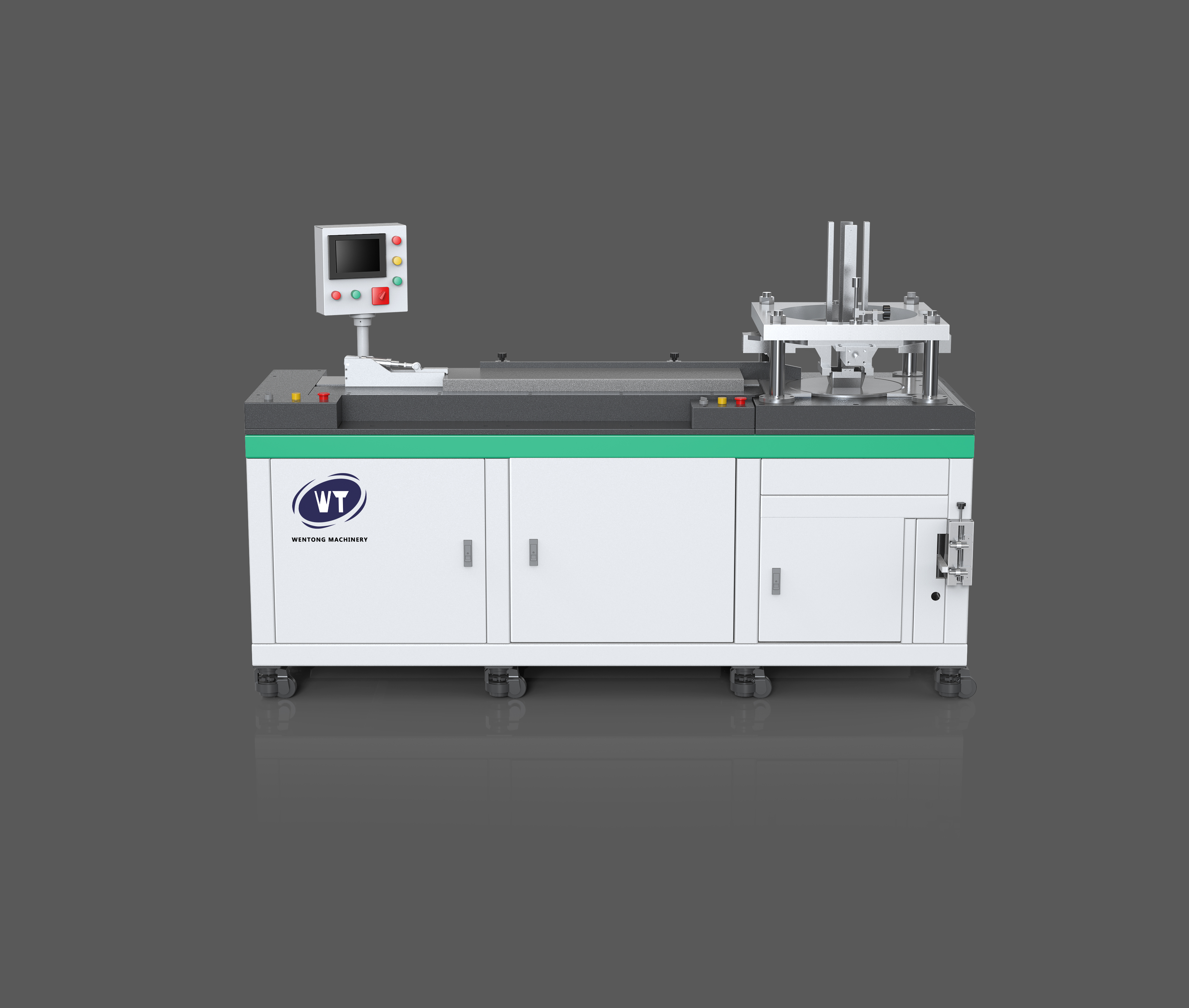
How Die Cutting Machines Accelerate Manufacturing Cycles
The Role of Die Cutting in Reducing Production Cycle Time
Die cutting machines make manufacturing much smoother when they automate those exact cutting jobs that used to take so long manually. Manual cutting just creates all sorts of problems really fast. People get tired, hands shake, materials get wasted left and right. Automated systems cut the same way every single time though, and they do it way faster too. Factories report fewer mistakes overall because everything stays consistent from start to finish. Production runs actually finish quicker since there's less fixing needed later on. Some industry reports claim factories switching to these automated systems see their output jump around 30 percent give or take. That kind of improvement helps shops keep up with crazy deadline pressures while still being able to adjust production based on what customers want next week.
Case Study: 40% Faster Cycles in Label Production with Automated Die Cutting
A local label manufacturer recently switched to rotary die cutting and saw their cycle times drop by almost half. With the continuous feed system running alongside those high speed rotary blades, they're now cranking out over 300 labels every minute. This makes a huge difference when dealing with complicated patterns that just don't work well with traditional hand cutting techniques. What's even better is how much less waste there is compared to older methods. The automation cuts down on scrap materials significantly, which saves money in the long run without sacrificing quality. For big orders that need thousands of identical labels, this kind of precision matters a lot.
Matching Machine Speed to Production Volume for Optimal Efficiency
Getting the right die cutting machine makes all the difference when it comes to running an efficient shop floor. For shops cranking out large volumes day after day, rotary systems are usually the way to go since they can handle speeds well above 300 pieces per minute. But if production runs are smaller batches or involve different materials and shapes, flexible platen presses often work better in practice. Matching what the machine can do with actual production requirements helps avoid those frustrating situations where too small a machine creates bottlenecks, or worse still, buying something way bigger than needed just adds unnecessary complexity and setup headaches. The bottom line remains straightforward though proper equipment choice leads to quicker cycle times while keeping product quality intact and not blowing up the budget on operation expenses.
Reducing Setup and Changeover Time with Advanced Die Cutting Systems
Applying SMED Principles to Minimize Downtime in Flexographic Die Presses
Implementing Single-Minute Exchange of Die (SMED) methods helps shorten changeover times on flexographic die presses quite effectively. When companies move setup work that happens while machines are stopped out to before production starts, they often see changeover times drop somewhere between 60% and maybe even approaching 90%. The main things manufacturers focus on? Getting die parts standardized across different models, creating clear visual instructions for operators, and having all necessary materials ready before switching over. With these changes in place, machines stay online longer and plants can fit in extra production runs throughout each shift. This makes a big difference in facilities dealing with lots of different product variations where quick adjustments matter most.
Quick-Change Die Systems: Strategy for Rapid Production Switching
Quick change die systems today boost production flexibility thanks to standard mounting plates, hydraulic clamps, and automatic die recognition features. Most setups now include PLCs that handle the whole changeover process from start to finish. These controllers keep everything aligned properly while reducing mistakes made by operators during setup. Shops that have implemented such systems typically see their changeover time drop below three minutes, which represents about an 85 percent jump in speed compared to older techniques. The ability to switch dies so fast means manufacturers can tackle special orders and run smaller production lots without losing efficiency. For companies needing to stay competitive in markets where demand keeps shifting, this kind of die cutting capability has become essential rather than just nice to have.
Automation and Smart Technology in Modern Die Cutting Machines
Eliminating Manual Bottlenecks with Fully Automated Die Cutters
Die cutting machines that are fully automated take away the need for people to handle materials manually, load them into position, or unload finished parts—all things that typically slow down production lines. These modern systems come with robotic arms and cameras that guide where everything goes, allowing factories to run nonstop day after day with almost no one watching over them. When parts feed themselves in and out automatically, it cuts down on waiting time caused by humans by somewhere around 70 percent. That means products get made faster and companies can ship goods quicker too. Standardized processes across different machines help keep product quality steady throughout batches, which matters a lot when suppliers need to deliver components right on schedule for big manufacturing runs.
AI and IoT Integration: The Rise of Smart, Self-Optimizing Die Cutting Machines
The latest generation of die cutting machines is making use of artificial intelligence and internet of things technology to get better results while they're running. Built-in sensors keep track of how tools are wearing down, what's happening with material tension during cuts, and whether each cut meets quality standards. These machines then tweak their settings automatically so they stay performing at their best throughout production runs. When it comes to maintenance, these connected systems can actually forecast when parts might fail around 8 out of 10 times, which cuts unexpected breakdowns nearly in half according to industry reports. The AI component gets smarter over time too, adjusting cutting paths and pressure levels depending on what kind of material is being processed. This means less scrap material going to waste and faster processing speeds across the board. Manufacturers who implement these smart features typically see longer tool lifespan, higher production output, and significant improvements in their overall equipment effectiveness metrics. For many factories, adopting this kind of intelligent machinery has become essential for staying competitive in today's manufacturing landscape.
Maximizing Output with Precision Engineering and High-Speed Operation
Balancing Speed and Tool Wear in High-Cycle Die Cutting Environments
Getting the most out of high cycle die cutting means finding the sweet spot between how fast things go and how long tools last. When operators push speeds too hard, it wears down the equipment faster, which means more frequent maintenance checks and those frustrating unexpected shutdowns everyone hates. Smart manufacturers tackle this problem by investing in better tool materials and implementing proper heat control systems that keep cuts accurate while making tools last longer. Going past what's designed for these machines can drop their overall effectiveness somewhere around 30% based on what we've seen in factory settings. For plants running nonstop shifts, this balance matters a lot because when a critical tool breaks down, it doesn't just slow things down it completely stops production across multiple workstations.
Precision Tooling and Servo-Driven Design: Case Study on 50% Efficiency Gains
One packaging company saw their production output jump by half when they switched to a servo driven die cutting setup, keeping everything within tight ±0.1mm tolerances. What makes this work so well? The direct drive servos cut out all those pesky mechanical losses we used to deal with, plus they give instant feedback control during operation. And get this the carbide composite tools lasted through over two million cycles without showing much wear at all. Not bad for something that also cuts energy usage down around 25%. When manufacturers combine precision engineering with modern motion control tech like this, they're not just getting faster production speeds they're actually making their operations more efficient and environmentally friendly in the long run.
FAQ
What is die cutting in manufacturing?
Die cutting is a manufacturing process that uses specialized machines to cut materials into specific shapes or patterns. This process can be automated to enhance precision and speed in production cycles.
How does automation improve die cutting?
Automation improves die cutting by maintaining consistent cutting quality, reducing manual errors, and increasing production speed, which can lead to up to a 30% increase in output.
What are SMED principles in die cutting?
SMED, or Single-Minute Exchange of Die, principles focus on minimizing setup and changeover times in die cutting processes, resulting in increased productivity and efficiency.