 EN
EN


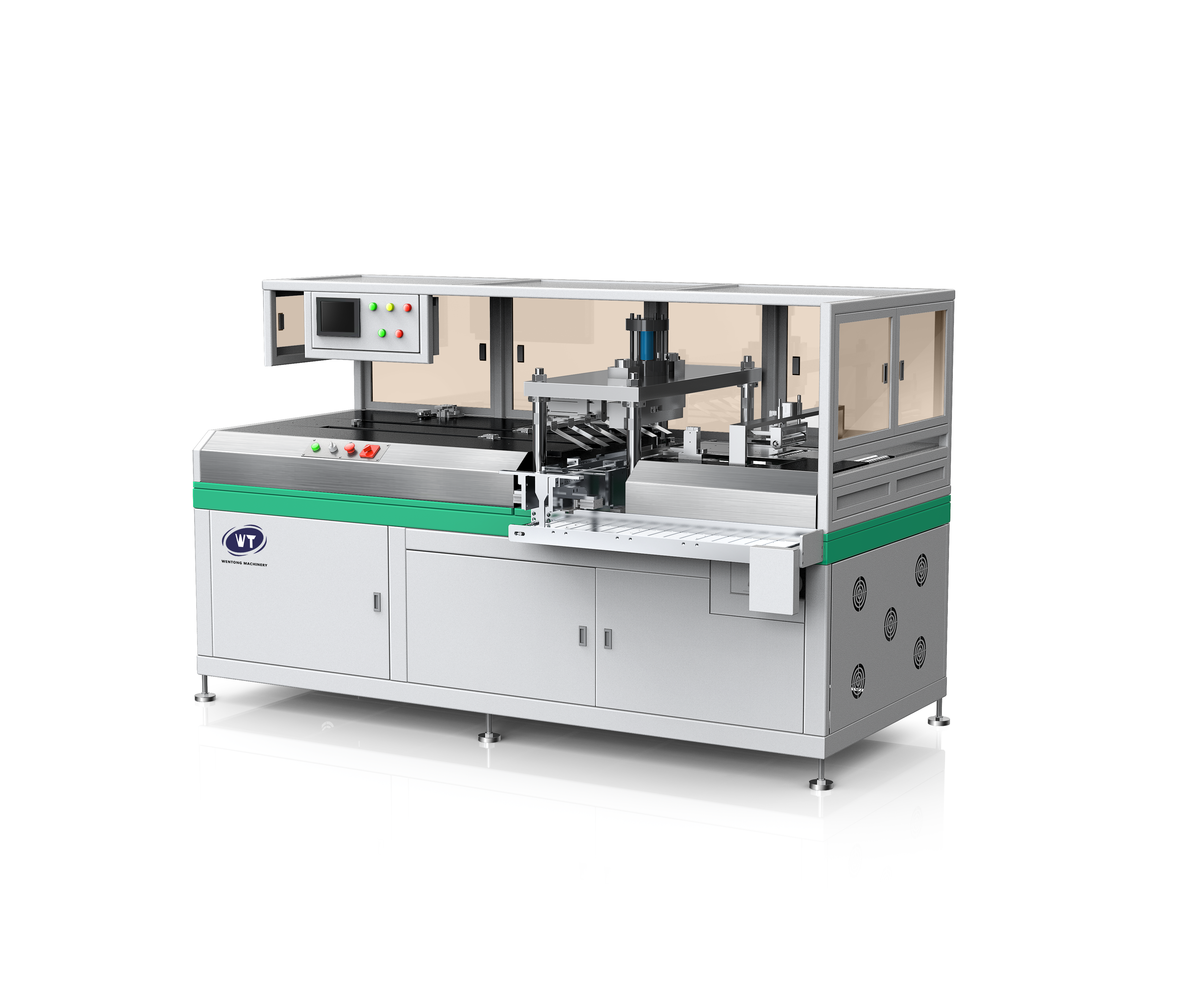
Precision Cutting and Registration Accuracy
Sub-millimeter Tolerance Ensures Consistent Cut Placement
Today's die cutting machines can hit tolerances below 0.1mm thanks to their precision ground tools and those fancy servo driven registration systems. This basically gets rid of all that pesky material bleeding and those annoying jagged edges we see so often with manual cutting methods. When making paper cards, this kind of accuracy really matters because it keeps everything dimensionally consistent even when producing thousands of units. Think about those detailed elements like embossed company logos or those little perforated sections people tear off. The numbers back this up too. Some industry research indicates that cutting down on those tiny deviations by just 0.05mm actually reduces waste materials by around 11% when working with high quality cardstocks. Makes sense why manufacturers care so much about getting these specs right.
Eliminating Cumulative Registration Errors in High-Volume Runs
Vision systems these days keep an eye on sheet alignment constantly and tweak things just enough between production cycles so errors don't pile up like they do with old school mechanical registration techniques. What this means is that positioning stays spot on within about 0.15mm tolerance mark, even when running over 10 thousand impressions straight through. When cutting heads sync up properly with printed artwork at rates above 200 sheets each hour, most companies find themselves dealing with almost no misprints whatsoever. Plus, there's hardly any waste left along those borders anymore either. Traditional setups used to leave behind roughly half a millimeter to maybe 1.2mm of extra material per sheet, but now it's practically gone.
Smart Nesting and Layout Optimization with CAD Integration
AI-Powered Nesting Algorithms Reduce Material Gaps by Up to 22%
Smart nesting software looks at shapes and materials to create better layouts that leave fewer empty spaces between parts, checking out hundreds if not thousands of possible arrangements within seconds. When compared against old fashioned manual methods, these systems cut down on wasted material around 22% on average, which translates into real money saved. Take a shop handling about 10 thousand sheets each month for instance they could save well over eighteen grand just on raw materials every year. This kind of efficiency makes all the difference particularly with high end specialty papers where even small improvements in space usage can have big impacts on bottom line costs.
Seamless CAD-to-Die-Cutting Workflow Minimizes Manual Layout Errors
Combining CAD software with die cutting equipment gets rid of those frustrating manual steps we all know too well manual template making and those tedious physical alignment checks. Once designers lock down the card sizes in their CAD programs, everything gets sent straight to the cutting machine complete with built-in registration marks and ready-to-go cutting paths. A recent look at manufacturing efficiency from last year showed these digital transitions cut layout errors down by around 40%. For companies actually running production lines, the numbers get even better. Factories that have adopted nesting software connected to their CAD systems see job setups happening about 30% quicker, and practically no more waste from misaligned cuts. This matters a lot when working on precision items such as foil stamped business cards or fancy wedding invitations where getting the alignment right within 0.3mm difference can mean the difference between a perfect product and something that just doesn't meet quality standards.
One-Shot Processing: Eliminating Secondary Trimming and Handling Loss
Integrated Blanking and Stripping Cuts Edge Waste by 14–18% per Sheet
Today's die cutting machines combine what used to be three different steps cutting, stripping, and blanking all in one go through the machine. By doing these operations at once, there are fewer mistakes from handling materials multiple times and less wear on the sheets themselves. Waste gets reduced somewhere around 14 to 18 percent per sheet. For companies making paperboard products where raw materials can eat up nearly half the production cost, this means getting more usable product from each roll while spending less on materials. Plus, these machines create less dust during operation and consume less power overall. Manufacturers find this particularly appealing because they can meet their green objectives without having to sacrifice the sharpness or accuracy of their cuts.
Sustainable Waste Management Enabled by Modern Die Cutting Machines
New generation die cutting equipment has completely changed how waste gets handled in paper card manufacturing. These machines do more than just cut down on trim waste. They actually create smart, circular systems for managing materials. The advanced computer algorithms inside these machines can recover around 22% of what would normally be wasted when humans plan out cuts manually. At the same time, built-in scrap collection systems gather all those little pieces during production runs and sort them automatically. This means factory workers don't have to deal with leftover bits anymore since they get processed right back into pulp or made into other useful products almost instantly. No more sending stuff to landfills, which cuts down on the need for fresh raw materials too. Manufacturers now track waste in real time, so they spot areas where improvements can be made. Sometimes this leads to replacing brand new paper with recycled stock whenever it makes structural sense for the final product. Companies see real savings from all this. Disposal fees go down between 14% and 18% per ton of waste, and their overall operations start looking much better from an environmental standpoint.
FAQ
What is the tolerance level achieved by modern die cutting machines?
Modern die cutting machines can achieve tolerances below 0.1mm, providing high precision in cut placements, which is crucial for applications like paper card production.
How do vision systems prevent registration errors?
Vision systems constantly monitor sheet alignment and make slight adjustments between production cycles, preventing cumulative errors and maintaining precision even during high-volume runs.
How does CAD integration help in reducing material waste?
CAD integration with die cutting equipment automates layout processes, minimizing manual errors and optimizing material usage, which can reduce wasted material by up to 22%.
What is one-shot processing in die cutting?
One-shot processing refers to the integration of cutting, stripping, and blanking steps in a single machine operation, resulting in reduced handling mistakes and material waste.
How do modern machines contribute to sustainable waste management?
Modern die cutting machines incorporate advanced algorithms and scrap collection systems to recover waste, allowing for recycling and reduction in disposal fees, thereby contributing to environmental sustainability.