 EN
EN


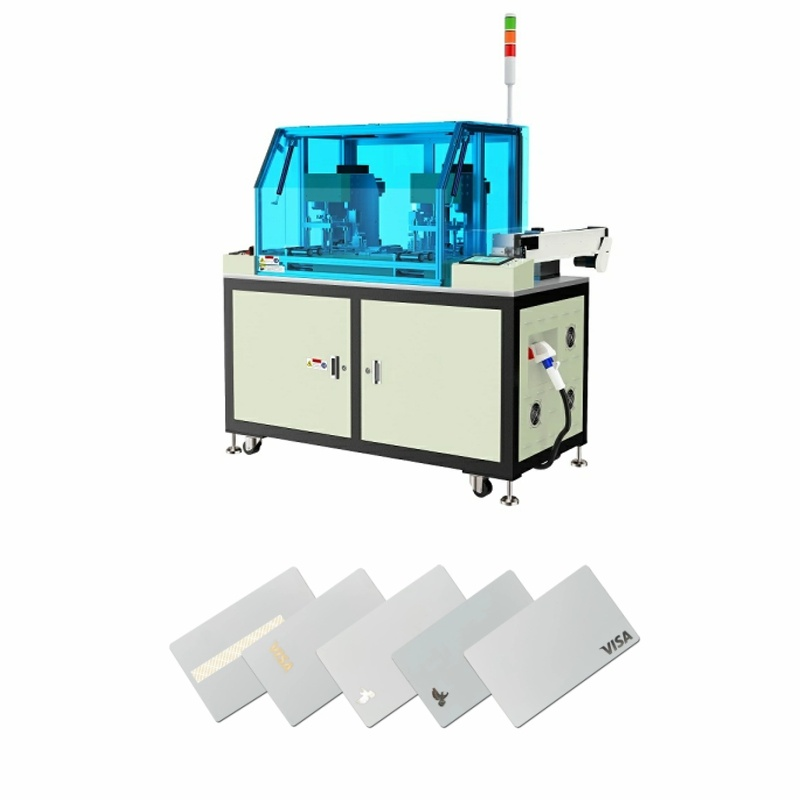
How Hot Stamping Machine Delivers Premium Visual and Tactile Impact
Precision foil transfer: Role of temperature, pressure, and dwell time in gloss, sharpness, and embossing
Getting those top quality visual and touch sensations depends heavily on controlling three main factors working together: temperature between around 120 to 150 degrees Celsius, pressure ranging from 15 to 30 kilograms per square centimeter, and how long we let things sit there, usually half a second up to 1.5 seconds. The temperature needs just right setting so it activates the glue part of the foil without burning the base material underneath. If it's too cool, nothing sticks properly; if too hot, the foil itself gets damaged. What about pressure? Well, this affects how sharp the edges look and whether the surface is even across. Not enough pressure means patches where stuff didn't transfer properly, but too much squashes all the nice details and might warp whatever we're printing on. Time matters too for creating depth in embossing and making colors pop visually. For instance, holding at about 1.2 seconds typically gives us roughly 0.3 mm raised area on thick paper stock, which makes things stand out more and reflects light better. When folks mess with these settings by more than plus or minus 5 degrees Celsius or 2 kg/cm², problems start showing up real fast like flaking foil, strange halos around images, or blurry lines everywhere. These kinds of defects don't just look bad they actually hurt what customers think about the quality of work behind a brand.
Consistency and repeatability: Why hot stamping machine calibration directly shapes brand quality perception
Today's hot stamping equipment comes equipped with automated calibration systems that keep registration accuracy at the micron level through over 10,000 impressions. This matters a lot for luxury packaging and corporate materials because even one off-center foil element can ruin the whole look of quality. The machines have real time thermal controls plus pressure sensors that constantly adjust for changes in material thickness, temperature shifts in the environment, and wear on the dies themselves. What this means is every item gets exactly the same shine, embossing depth, and full foil coverage from start to finish. People notice these details without realizing it. A recent study by the Institute of Packaging Professionals found that around 78% of shoppers link perfect metallic finishes to high-end brands. Take banking cards as an example. When a bank issues corporate cards with those tiny holograms positioned precisely within plus or minus 15 micrometers, customers get a sense of professionalism and security. Research shows that poor quality work can actually cut down what people think a product is worth by as much as 40%. That's why getting the details right matters so much for brand image.
Hot Stamping Machine as a Strategic Tool for Luxury Brand Positioning
Metallic and holographic finishes: Psychological triggers for trust, exclusivity, and premium recall
The shiny metallic and holographic effects created via hot stamping actually work as silent signals that tap into our subconscious thinking patterns. When we see gold or silver foil on products, something in our brain connects the shine to ideas about quality workmanship, limited availability, and old world traditions. Research in neuromarketing suggests these kinds of finishes can boost how much people think a product is worth by around 20-25%. Holograms take this further because they play with light in ways that catch and hold our eyes longer than plain colors ever could. What's really interesting happens when brands combine these visual tricks with embossed textures. The physical sensation adds another layer that activates those parts of our brain responsible for remembering touch experiences, which makes us feel like we're getting something genuinely special and expensive. These sensory combinations explain why companies can charge extra money for their goods and still stand out on crowded store shelves, especially in markets where everything looks similar like high end fashion items or financial service offerings.
Real-world validation: How luxury fashion and finance brands leverage hot stamping machine output for corporate card authority
High end fashion labels such as Brunello Cucinelli and Loewe rely on hot stamping machines to create their signature designs on membership cards. These aren't just simple plastic cards anymore but become something collectors want to keep, really showing off what makes each brand special. Big banks do something similar too, adding those tiny embossed holograms to business cards. They serve two purposes actually one looks good and the other builds trust when someone sees them. Hot stamped stuff sticks to materials much better than regular digital printing does. It survives all sorts of wear and tear tests like ISO 10363 for abrasion resistance and ISO 14443 for how many times it can bend without breaking down or losing color. Cards made this way stay looking sharp even after being handled constantly for years. According to a recent report from McKinsey & Company called the 2024 Luxury Brand Experience Study, customers who own these kinds of cards remember the brand 32 percent more often without any prompting compared to others.
Competitive Differentiation: Why Hot Stamping Machine Outperforms Digital Printing in Brand Recall
Hot stamping creates those eye-catching metallic and holographic effects that just don't look right when printed digitally. The process works by pressing foil onto materials using heat and pressure, which actually bonds the reflective layer to the surface instead of just laying ink on top. This makes the finish much more durable against scratches and fading from sunlight, plus gives it that nice dimensional feel people notice when they run their fingers over it. Brands find this really valuable because their logos stay bright and clear for years, maintaining that professional look no matter how often cards get handled or stored. Some studies have shown something interesting too about these shiny finishes catching attention better. Research suggests they activate parts of our brain related to both sight and touch memory, leading to around 68% better recall rates than regular colored prints. For companies competing in high-end markets or selling to other businesses, where making a strong first impression matters so much, this kind of memorability can be a real game changer.
Beyond Aesthetics: Security, Customization, and Credibility Enabled by Hot Stamping Machine
Micro-embossed logos and foil-integrated anti-counterfeit features for high-trust corporate cards
Hot stamping equipment creates strong security layers needed for valuable identification cards and documents. The tiny raised logos made by special dies at around 25 to 75 microns height act as quick authenticity checks without needing any tools. These embossed marks have a unique feel that can't be copied using regular printing techniques like offset or digital methods. Alongside these physical features, security elements built right into the foil during stamping include things like color-shifting effects, materials that glow under UV light, and microscopic patterns that change appearance when viewed from different angles. All these get permanently fused with the card material itself. Unlike surface treatments that wear off, these built-in security measures hold up against moisture, rubbing, and chemicals much better. Banks and exclusive clubs particularly benefit from combining touch-based verification with hidden protective features. This makes business cards not just useful items but actual trustworthy credentials that stand out in important situations.
FAQ
What are the key factors for achieving high-quality results with hot stamping machines?
The key factors include precise control over temperature, pressure, and dwell time. These must be fine-tuned to ensure optimal foil transfer without damaging the materials.
Why is calibration important in hot stamping machines?
Calibration ensures repeatability and consistency in output, directly impacting the perceived quality of luxury packaging and corporate materials.
How do metallic and holographic finishes influence consumer perception?
These finishes trigger psychological associations with quality, trust, and exclusivity, enhancing brand perception and allowing companies to charge premium prices.
What advantages do hot stamping machines offer over digital printing?
Hot stamping provides more durable and visually appealing finishes with better recall, significantly enhancing brand image in high-end markets.
What security features can hot stamping machines integrate into products?
They can include micro-embossed logos and foil-integrated anti-counterfeit features, providing higher security and credibility.
Table of Contents
- How Hot Stamping Machine Delivers Premium Visual and Tactile Impact
- Hot Stamping Machine as a Strategic Tool for Luxury Brand Positioning
- Competitive Differentiation: Why Hot Stamping Machine Outperforms Digital Printing in Brand Recall
- Beyond Aesthetics: Security, Customization, and Credibility Enabled by Hot Stamping Machine
-
FAQ
- What are the key factors for achieving high-quality results with hot stamping machines?
- Why is calibration important in hot stamping machines?
- How do metallic and holographic finishes influence consumer perception?
- What advantages do hot stamping machines offer over digital printing?
- What security features can hot stamping machines integrate into products?