 EN
EN


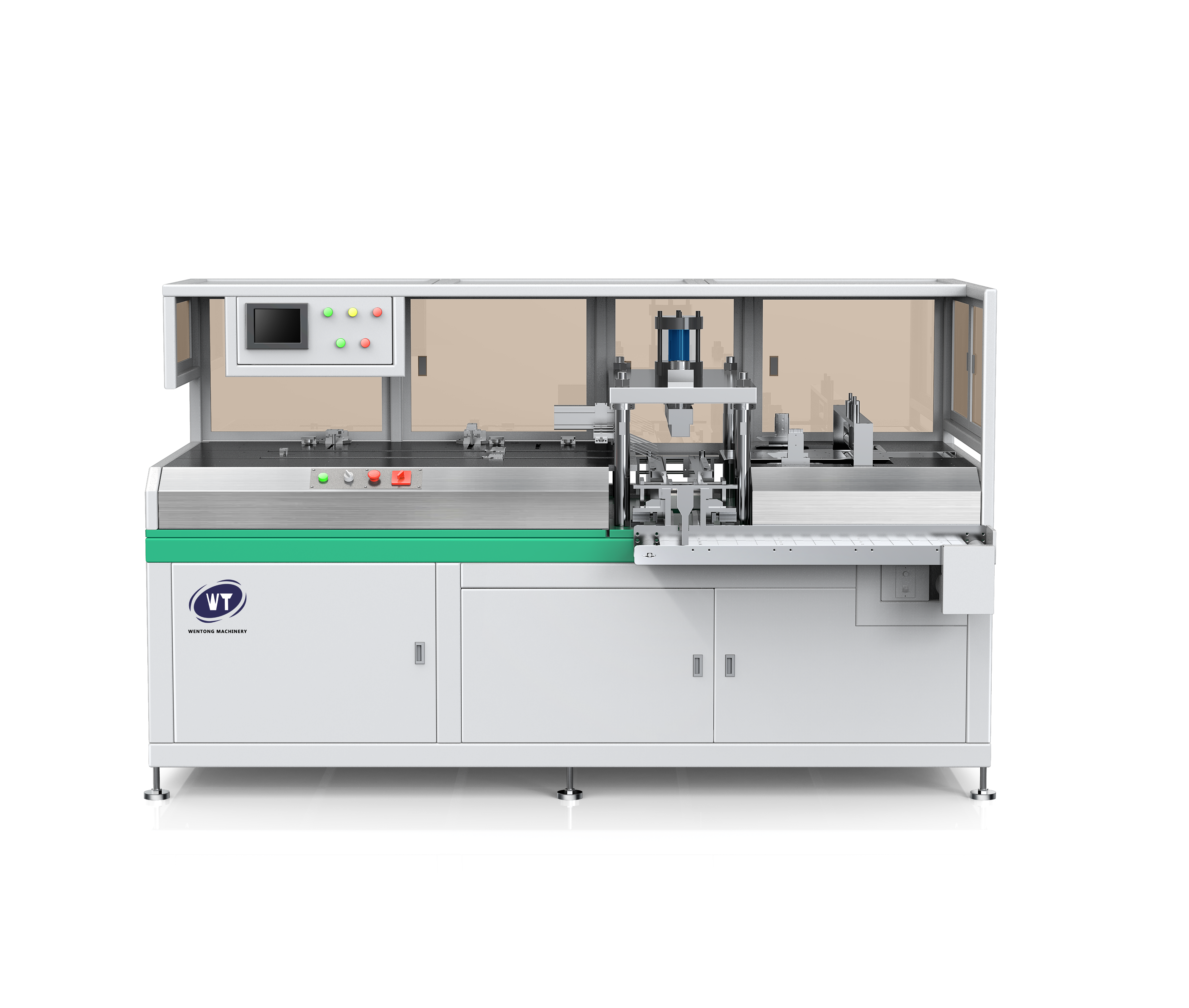
In the dynamic world of card production, printing, and packaging, card machines are indispensable tools for businesses aiming to deliver high-quality products efficiently. From SIM card manufacturing to children’s board book assembly, these machines streamline processes but can encounter operational challenges. This guide explores prevalent issues in card machines and provides actionable solutions to minimize downtime and optimize performance.
1. Die Cutting Machine: Precision Errors and Material Jamming
Die cutting machines are critical for creating intricate shapes in paper cards, plastic cards, and board books. However, two common problems arise:
- Inconsistent Cutting Depth: This often stems from dull blades, incorrect pressure settings, or worn-out dies.
- Material Jamming: Thin or uneven substrates may slip during cutting, causing misalignment or machine stops.
Solutions:
- Regular Maintenance: Schedule blade sharpening and replace dies every 50,000–100,000 cycles, depending on material thickness.
- Calibration Checks: Use a pressure gauge to ensure even force distribution across the cutting plate.
- Material Handling: Opt for anti-static rollers or vacuum systems to stabilize lightweight materials during processing.
2. Card Collating Machine: Misalignment and Double Feeding
Collating machines automate the assembly of multi-page cards or booklets, but misfeeds can disrupt workflows.
- Root Causes: Dust accumulation on sensors, inconsistent paper weight, or mechanical wear in feed rollers.
- Impact: Increased waste and manual rework, raising production costs.
Solutions:
- Sensor Cleaning: Wipe optical sensors weekly with a lint-free cloth to prevent false readings.
- Roller Inspection: Replace rubber rollers if they show signs of cracking or loss of grip.
- Software Updates: Modern collators with AI-driven error detection can auto-correct minor misalignments in real time.
3. Card Punching Machine: Hole Misplacement and Burr Formation
Punching machines create holes for binding or attachment points, but inaccuracies can render products unusable.
- Common Triggers: Vibrations from high-speed operation, loose tooling, or improper die alignment.
- Quality Risks: Burrs may scratch users or damage adjacent components in automated packaging lines.
Solutions:
- Vibration Dampening: Install anti-vibration mounts to stabilize the machine during high-speed runs.
- Tooling Inspection: Use a micrometer to verify die dimensions monthly and adjust punch depth settings accordingly.
- Deburring Systems: Integrate a brush or vacuum unit post-punching to remove sharp edges automatically.
4. SIM Card Production Machine: Chip Damage and Encoding Failures
SIM card manufacturing demands micron-level precision, making it vulnerable to:
- Static Discharge: ESD can destroy embedded chips during handling or testing.
- Encoding Errors: Dirty contact pins or outdated firmware may cause data corruption.
Solutions:
- ESD Control: Equip the production area with ionized air blowers and grounding straps for operators.
- Preventive Maintenance: Clean encoding heads with isopropyl alcohol daily and update machine software quarterly.
5. Board Book Mounting Machine: Glue Application Inconsistencies
Mounting machines bond board book covers to inner pages, but uneven glue distribution leads to:
- Weak Adhesion: Pages may detach during shipping or use.
- Excess Glue: Dries slowly, slowing down production and increasing cleaning costs.
Solutions:
- Glue Viscosity Testing: Use a Zahn cup to measure viscosity; adjust temperature settings to maintain optimal flow.
- Nozzle Maintenance: Replace clogged nozzles promptly and install a filter system to prevent particulate buildup.
Proactive Maintenance: The Key to Longevity
Beyond troubleshooting, adopting a preventive maintenance schedule reduces unexpected breakdowns by up to 40%. Key steps include:
- Daily Cleaning: Remove dust and debris from moving parts to prevent abrasion.
- Lubrication: Apply food-grade grease to chains and gears every 200 operating hours.
- Operator Training: Ensure staff can identify early warning signs, such as unusual noises or vibration patterns.
Conclusion
Card machines are the backbone of industries ranging from telecom to educational publishing. By addressing common issues like misalignment, static damage, and glue inconsistencies, manufacturers can enhance efficiency and product quality. Partnering with a provider like Shenzhen Wentong Machinery—which specializes in custom solutions for die cutting, collating, and ultrasonic welding—ensures access to cutting-edge technology and expert support.
Investing in regular maintenance and operator education not only extends machine lifespan but also positions businesses to meet evolving customer demands in a competitive market.