 EN
EN


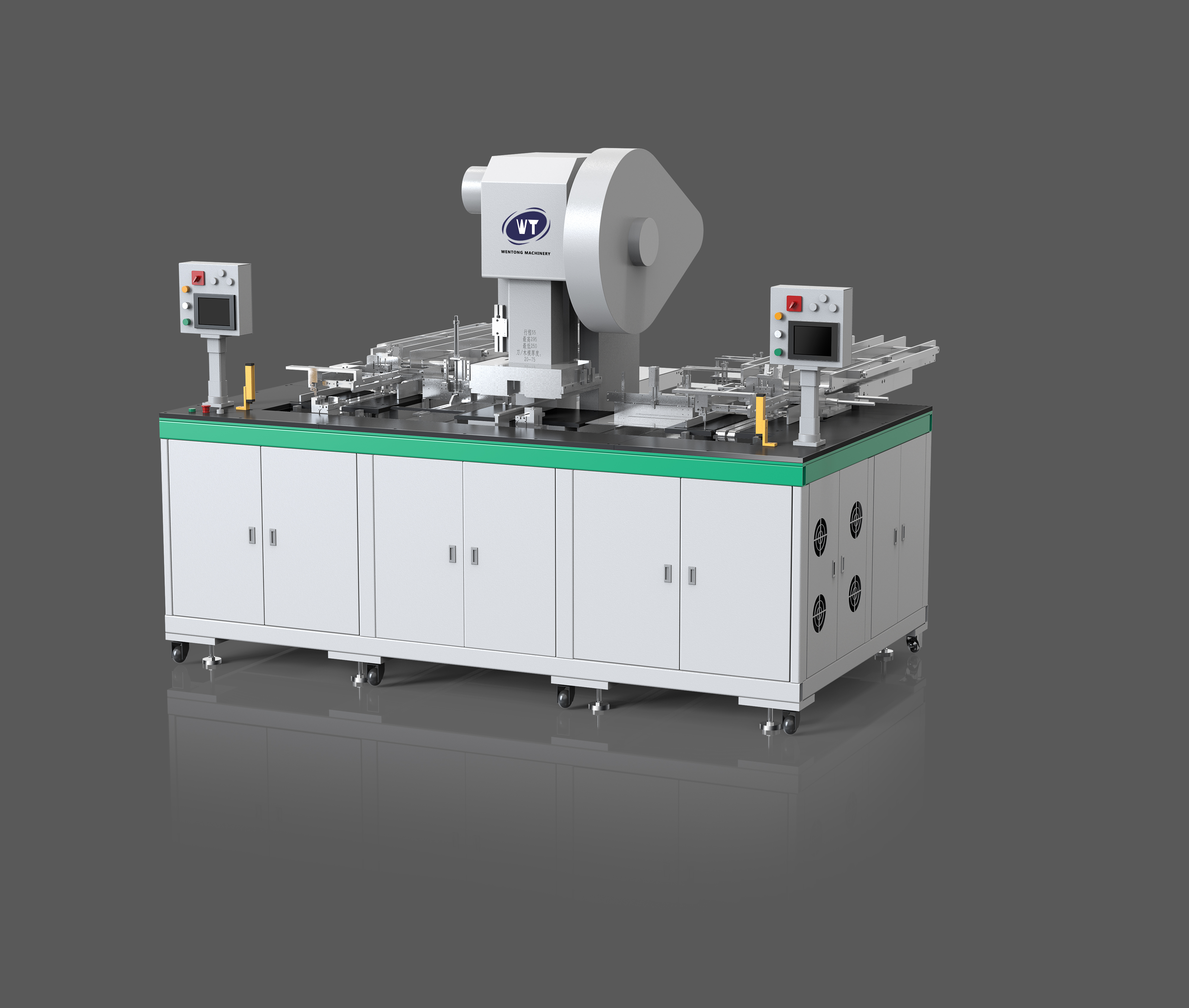
Debunking Common Myths About Die Cutting Machine Costs and Performance
Common misconceptions about die cutting machine costs and usage
A lot of factory owners still think about die cutting machines only in terms of what they pay upfront when buying them. But according to recent industry data from the 2023 Textile Manufacturing Report, most money actually goes out the door later on because of wasted materials and inefficient worker practices making up around 63% of all ongoing costs. Sure, those high speed rotary models look expensive at first glance, which is why many companies hesitate. However these machines come packed with automation features that cut down on human mistakes significantly during corrugated cardboard manufacturing processes. Factories using this technology report roughly 41% fewer errors over time, which means better productivity down the road even if the price tag seems steep initially.
Myths vs. market reality in die cutting machines
While traditional wisdom claims physical dies are essential for precision, modern digital systems achieve ±0.1 mm accuracy without hard tools. A 2024 industry survey revealed that 72% of converters using laser die cutting machines lowered setup costs by eliminating die storage and maintenance, streamlining operations while maintaining tight tolerances.
Impact of production volume on price per part
Production volume directly impacts cost efficiency through economies of scale:
| Annual Volume | Cost per Part (USD) | Waste Rate |
|---|---|---|
| 10,000 | $0.85 | 12% |
| 50,000 | $0.62 | 8% |
| 100,000+ | $0.48 | 5% |
Fixed tooling costs diminish significantly at higher volumes, making rotary die cutting 34% more cost-effective than digital for runs exceeding 75,000 units.
Are high-speed machines always more expensive in the long run?
High-speed die cutting machines (1,200+ cycles/hour) incur 18% higher upfront costs but reduce energy use and labor hours by 29% over five years. For packaging producers handling 20+ material types, these machines break even within 18 months due to reduced changeover downtime and improved material optimization.
Digital Die Cutting Machines: True Cost Efficiency and Flexibility
Elimination of Physical Dies and Reduced Setup Time
Digital die cutting eliminates costly steel rule dies—users save an average of $37,500 annually in tooling expenses. By cutting directly from digital files, setup times shrink from 8–12 hours to under 90 minutes, enabling rapid transitions between projects involving materials from 0.5mm specialty films to 12mm foam composites without retooling penalties.
Customization Flexibility with Digital Die Cutting Technology
These machines are pretty versatile actually, handling well over 150 different materials while letting designers experiment endlessly thanks to built-in CAD/CAM systems. The operators keep things really tight too, maintaining tolerances under half a millimeter even when working with all sorts of mixed materials. This matters a lot in aerospace applications where certain sealants need those precise 53 degree bevels on these tricky silicone fiberglass combinations. What makes this system stand out is how it handles unexpected changes. If specs suddenly shift at the last minute, there's no need to throw away already cut dies. This flexibility helps manufacturing teams stay agile when prices for raw materials jump around so much these days.
Efficiency and Reliability in Short-Run Production
When producing between 50 and 500 units, digital manufacturing cuts down on waste by about 83% when compared to older methods according to a case study published by Parker Hannifin in 2023. The system uses laser guided registration that keeps things aligned within just 0.1mm even during those long 72 hour production runs. This makes it really good for making prototypes of medical devices that require nine layers of material stacked together. Since there's no actual physical tool wearing down over time, the quality of each cut stays pretty much the same whether we're talking about the very first piece or the thousandth one made. Traditional rotary machines aren't so lucky though they tend to start drifting off track after around 200,000 cycles showing about a 14% change in dimensions.
Traditional vs. Digital Die Cutting: Choosing the Right Solution
Rotary vs. Laser Die Cutting: Key Differences and Applications
Rotary die cutting works really well for producing large quantities of identical shapes, which makes it great for things like cardboard boxes and basic rubber seals. On the other hand, laser cutting gets rid of those expensive metal dies altogether, so companies can test out new designs quickly and make super detailed parts needed in places like aircraft manufacturing or printed circuit boards. The numbers tell part of the story too: rotary machines typically crank out around 1500 pieces every hour once they're set up, but laser systems hit that plus or minus 0.15 millimeter mark on complicated shapes. This kind of precision matters a lot when dealing with stuff like carbon fiber composites or special films that need tiny holes punched through them for filtration purposes.
Precision and Accuracy Across Die Cutting Technologies
Digital die cutting machines these days can hit tolerances under 0.1mm thanks to their servo-controlled tools, which makes them better than old school methods when working with multiple layers at once. The mechanical versions still hold their own though, keeping around ±0.3mm accuracy even after tens of thousands of cycles. That kind of reliability matters a lot in making seals for cars where precision is everything. Some companies are mixing things up now with hybrid systems that pair laser guidance with rotating cutters. According to what manufacturers are seeing on the factory floor, this approach cuts down on wasted materials by about 18 percent compared to what was standard before.
When Traditional Die Cutting Outperforms Digital in High-Volume Runs
When producing over 10,000 identical items, traditional die cutting actually cuts per unit costs by about 40%, even though it requires bigger upfront investment for tools. Some industry studies show steel rule dies bring down costs to around three cents per part compared to twenty-one cents when using digital methods for paperboard packaging work. The point where these approaches balance out happens somewhere around 7,500 units produced. Because of this economics, older style systems still make financial sense for things like standard adhesive labels or those single use medical parts that need mass production but not customization.
Optimizing Long-Term Value Through Speed, Setup, and Procurement
How Maximum Punching Speed Affects Long-Term Operational Costs
High-speed die cutting machines reduce operational expenses by up to 30% over five-year periods through improved energy efficiency and lower labor requirements. Although faster equipment may carry a 15–20% upfront premium, manufacturers typically recoup this investment within 18–24 months via increased output capacity and reduced per-part processing time.
The Pitfalls of Choosing Low-Speed Machines to Save Upfront Costs
Opting for slower machinery to minimize initial spending often backfires. Maintenance costs for older hydraulic systems exceed $12,000 annually—more than double the $4,500 average for modern electric models. These units also create bottlenecks, forcing facilities to operate 25% longer to meet output targets, ultimately increasing overhead and delaying deliveries.
Strategic Material Procurement and Managing Cost Volatility
Implementing demand forecasting models helps manufacturers hedge against material price fluctuations, which account for 40–60% of total production costs. Leading operations maintain relationships with 3–5 certified suppliers for critical components like cutting plates and adhesive backings, ensuring resilience during supply chain disruptions.
The Role of Experienced Converters in Reducing Waste and Optimizing Output
Skilled operators achieve 98% material utilization through precision nesting patterns, far above the industry average of 82–85%. Their expertise in calibration reduces setup waste by 70%, directly lowering raw material expenditures that typically consume 55% of production budgets.
FAQ Section
What are the main differences between rotary and laser die cutting?
Rotary die cutting is suitable for large quantities of identical shapes like cardboard boxes, while laser die cutting allows for rapid prototyping and complex designs without using metal dies.
How do production volumes affect die cutting costs?
Higher production volumes benefit from economies of scale, significantly reducing costs per part and making traditional rotary die cutting more cost-effective for large runs.
Why are high-speed die cutting machines considered cost-efficient over time?
Although they have a higher upfront cost, high-speed machines reduce energy consumption and labor hours, offering cost savings and increased efficiency over five years.