 EN
EN


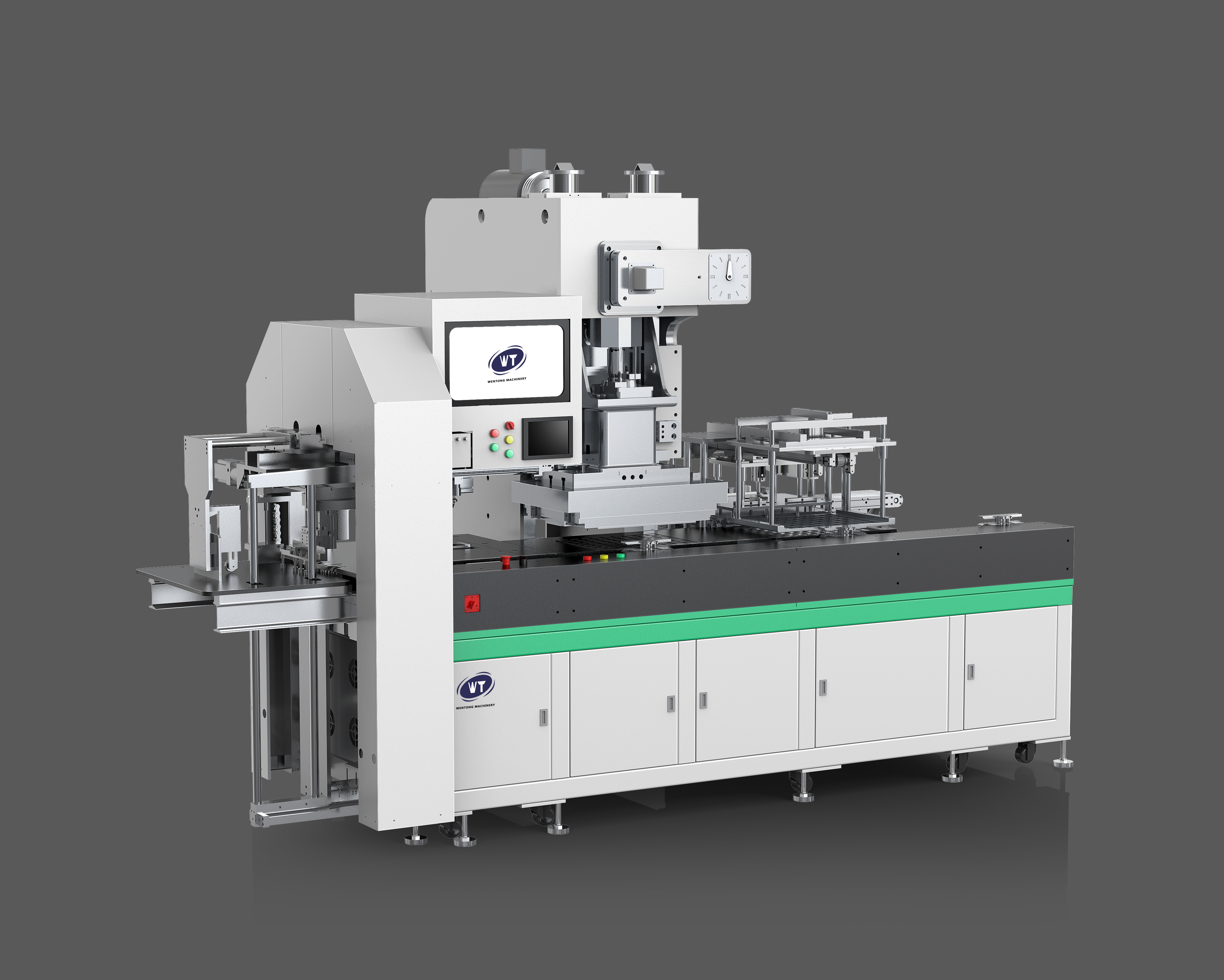
Understanding Precision in Die Cutting and the Role of Die Cutting Machines
What is precision in die cutting and why it matters in manufacturing
When talking about die cutting precision, what we really mean is the consistent production of parts that match their design specs down to the last detail. The edges need to be clean, measurements spot on, and there shouldn't be much variation between pieces. Getting this right matters a lot in manufacturing because small differences matter big time. Take cars for instance, if a part isn't cut correctly it might not fit properly when assembled, which affects everything from how well the car runs to whether it's safe for drivers. That's why industries like automotive, medical devices, and electronics depend so heavily on components made with tight tolerances. After all, something as tiny as a couple millimeters out of place could spell disaster for whole systems. Modern die cutting equipment gets around these problems by incorporating advanced control systems instead of relying on old fashioned manual techniques that are prone to mistakes. These machines deliver consistent results every single time they run.
How die cutting machine technology ensures consistent accuracy
Today's die cutting machines rely on computer numerical control systems, along with servo motors and specially ground tools to keep things accurate during production. What makes these setups so effective is their ability to tweak cutting pressure, adjust speeds, and fine tune alignment depending on what material they're working with and how complex the design happens to be. Most modern equipment comes equipped with sensors that constantly watch for any problems while cutting is happening. When something goes off track, the machine catches it right away and fixes whatever issue exists. Because everything gets checked and adjusted automatically, there's much less chance of mistakes made by people operating the machines. Plus, less wasted material means lower costs for manufacturers who need consistency from one batch to the next without compromising quality standards.
Data-driven results: Reducing error rates by up to 40% with automated die cutting machines
The introduction of automated die cutting equipment has really boosted production quality because these machines operate based on actual data rather than guesswork. According to industry studies, factories that switched to fully automated systems saw their error rates drop somewhere around 35-40%, which is quite impressive when compared with older manual techniques or those partially automated setups still in use today. These modern machines gather all sorts of information during operation including how accurate each cut turns out, how long each cycle takes, and exactly how much material gets used throughout the day. Looking at this information helps keep improving the whole process over time. Beyond just getting better results, companies save money too since there's less need for fixing mistakes or dealing with wasted materials. For shops where product consistency matters most, investing in automation makes perfect business sense despite the initial cost.
Advanced Quality Control: AI and Real-Time Monitoring in Die Cutting Machines
Real-time monitoring for proactive quality assurance
Today's die cutting equipment comes equipped with sophisticated sensors that keep an eye on important production factors throughout the process. The live data stream helps spot problems with cutting pressure variations, misalignment issues, or changes in material thickness so operators can fix things before bad parts start showing up on the line. When companies bring in predictive analytics tools along with automatic feedback mechanisms, they not only get better quality control but also cut down on inspection work by around 60 percent when looking at it against old school manual inspections methods.
Minimizing waste and defects with smart die cutting machine settings
Smart die cutting machines can actually change how hard they press, how fast they cut, and even how materials move through based on what kind of stuff they're working with and what needs to get done. Industry reports show that when these adjustments happen automatically, waste drops around 35% because everything stays within the right parameters during manufacturing runs. What this means for factories is better accuracy overall and not so many bad pieces getting thrown away. Less scrap equals less money spent fixing mistakes and stopping production lines unexpectedly.
AI vs. manual inspection: The shift toward intelligent quality control
Vision systems powered by artificial intelligence are changing the game when it comes to quality control during die cutting operations. These advanced systems can spot defects with over 99.5% accuracy, which beats what most human inspectors manage around 85 to 90 percent. What makes them so effective? They process massive numbers of images every single second, catching those tiny flaws that would slip right past our eyes. No more tired workers missing things after long shifts or different people seeing things differently based on their mood or experience level. The result is consistent quality checks that work just as well whether we're talking about a small batch run or mass production lines cranking out thousands of parts daily.
Comparing Die Cutting Machine Types: Choosing for Precision and Efficiency
Rotary vs. flatbed die cutting machines: Speed and accuracy in high-volume production
Rotary die cutters are built for speed, handling continuous production runs where materials move through at speeds exceeding 100 meters per minute. These machines keep things tight with tolerances around plus or minus 0.1mm. On the other hand, flatbed systems work differently, using a stamping action that gives them an edge when dealing with thicker materials or multiple layers stacked together. They just can't match the speed though, typically managing about 20 to 30 strokes each minute. Looking at actual shop floor data, rotary setups generally produce about 40% more parts per hour for regular shapes. But when it comes to those really tricky jobs requiring absolute precision on composite materials or detailed patterns, most manufacturers will turn to flatbeds which tend to hit their marks 25% better in these demanding situations.
Digital die cutting machine technology: Flexibility and precision for complex designs
Digital die cutting works without those traditional metal dies we used to rely on. Instead, it uses computer controlled blades or laser systems that read directly from digital designs, getting repeatable results within just 0.01 millimeters. What makes this tech so useful is how quickly designers can tweak their work without having to redo any tooling. That's why it's become such a go to method for prototypes, small production batches, and complex pattern work. The system can handle all sorts of different materials too, going from something as fragile as foil right up to tough composite materials, all within the same setup process. Manufacturers report saving around 80% of the time they'd normally spend switching between different tools when changing materials, and still manage to keep that same level of cutting accuracy throughout.
Traditional vs. digital: Setup time, tooling costs, and production scalability
The old school approach to die cutting needs special tools made specifically for each job. These physical dies can run anywhere from around $500 up to $5,000 apiece, and getting them made takes anywhere between two weeks and half a month. Digital cutting systems cut out all those tooling expenses completely and get set up in less than fifteen minutes flat. When looking at big production runs over fifty thousand pieces, the traditional methods still tend to come out cheaper per item even though they cost more upfront. Most businesses find that their costs even out somewhere between ten thousand and twenty five thousand units produced, though this varies quite a bit based on how complicated the parts are. Digital tech really shines when companies need to handle lots of different design variations or want to manufacture things on demand. Traditional equipment remains faster and works better with a wider range of materials for those massive orders where everything is exactly the same.
Optimizing Die Cutting Machine Performance Across Industries
Matching Die Cutting Machine Capabilities to Application Demands
Picking out the correct die cutting machine really comes down to matching what the equipment can do with what the job actually requires. When companies need to produce large quantities fast, rotary die cutting machines tend to be the best bet because they just run so much quicker and smoother than other options. On the flip side, when dealing with intricate designs that aren't needed in massive numbers, digital cutting systems shine bright since they don't require expensive tool changes or wait times for setup adjustments. The main factors to think about are how many units need to be made, what kind of materials will be cut, and how precise the final product needs to be. These elements all play together to determine where the sweet spot lies between getting things done efficiently, maintaining good quality standards, and keeping costs under control for manufacturers.
How Material Selection Impacts Die Cutting Precision and Efficiency
The way materials act has a big impact on how well die cutting works, which means machines need specific settings and blades for different jobs. Take flexible stuff like foam or rubber compared to hard materials such as metal sheets or layered composites they react completely differently when pressure is applied. According to what we've seen in manufacturing circles lately, getting the machine setup right for each material type cuts down on wasted material around 30 percent and makes those cut edges look much cleaner. When operators really get how different materials handle heat, pressure changes, and contact with cutting blades, it makes all the difference in maintaining accurate results over time while also making sure those expensive cutting parts last longer before needing replacement.
Industry-Specific Use Cases: Automotive, Medical, and Aerospace Requirements
The way different industries approach die cutting varies quite a bit depending on what they need. Car makers want those gaskets and seals to last forever, even when exposed to heat extremes and constant vibration from engines running at high RPMs. When it comes to medical stuff, things get really picky. Surgical drapes and membrane parts for devices have to be cut so precisely, sometimes down to fractions of a micron, because any deviation could mean trouble for patients or problems passing inspections. The aerospace sector takes this even further, working with exotic composite materials where tolerances can't exceed 0.005 inches. That kind of accuracy isn't just nice to have; it's absolutely essential for parts that will be subjected to intense forces during flight. Because of these varying requirements across fields, choosing the right machinery becomes critical. Medical and aerospace definitely lead the pack in terms of needing super precise equipment plus thorough record keeping throughout the entire manufacturing process.
FAQ
What is die cutting?
Die cutting is a process that involves cutting materials into specific shapes using a die, essentially a template made out of metal or other durable material. It's commonly used in manufacturing to create parts and components with precise dimensions.
What are die cutting machines?
Die cutting machines are specialized machines that facilitate the die cutting process. They can range from manual machines to fully automated systems, which use advanced technologies like computer numerical control systems and sensors to enhance precision and efficiency.
How does precision in die cutting affect manufacturing?
Precision in die cutting ensures that parts are produced with exact dimensions and clean edges, which is crucial for components to fit and function properly in their intended applications. Industries like automotive, medical devices, and aerospace require high precision for safety and performance.
How do automated die cutting machines reduce errors?
Automated die cutting machines use data-driven processes to maintain accuracy and consistency in production. They incorporate sensors and real-time monitoring to detect and correct issues, reducing error rates significantly compared to manual techniques.
What is the difference between rotary and flatbed die cutting machines?
Rotary die cutting machines are designed for speed and high-volume production, while flatbed die cutting machines are better suited for thicker materials and complex designs. Rotary machines use continuous motion, whereas flatbeds use a stamping action.
What are the benefits of digital die cutting technology?
Digital die cutting offers flexibility by eliminating the need for traditional dies. It allows for quick design changes and handles various materials effectively, making it ideal for prototypes and small batches. It also reduces setup time and tooling costs.
How do industries differ in their use of die cutting?
Different industries have specific requirements for die cutting based on their products. Automotive parts must withstand harsh conditions, medical components require extreme precision, and aerospace parts need high tolerances due to intense forces experienced during flight.
Table of Contents
- Understanding Precision in Die Cutting and the Role of Die Cutting Machines
- Advanced Quality Control: AI and Real-Time Monitoring in Die Cutting Machines
- Comparing Die Cutting Machine Types: Choosing for Precision and Efficiency
- Optimizing Die Cutting Machine Performance Across Industries
-
FAQ
- What is die cutting?
- What are die cutting machines?
- How does precision in die cutting affect manufacturing?
- How do automated die cutting machines reduce errors?
- What is the difference between rotary and flatbed die cutting machines?
- What are the benefits of digital die cutting technology?
- How do industries differ in their use of die cutting?