 EN
EN


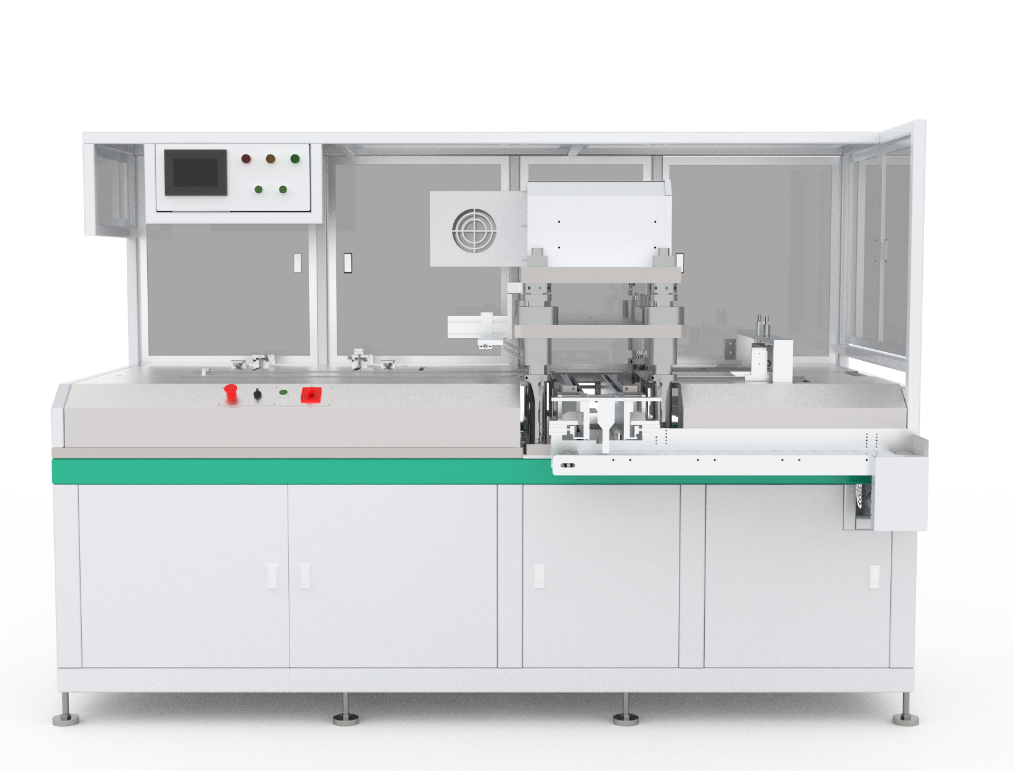
Routine Inspections to Maximize Punching Machine Longevity
Visual and Safety Checks to Identify Early Wear Signs
Daily visual inspections reduce unplanned downtime by 23% (Ponemon 2023). Operators should check hydraulic lines for leaks, inspect punch/die interfaces for chipping, and confirm safety guards are functional. Watch for misaligned stripper plates or abnormal vibrations during idle cycles—early indicators of potential breakdowns.
Alignment and Tooling Inspection to Prevent Mechanical Stress
Monthly laser alignment ensures turret stations maintain ±0.05mm accuracy. Proper alignment reduced punch tip replacements by 34% over 18 months in one case study. Check die shoe parallelism and bolster plate condition during tool changes to prevent uneven load distribution.
Monitoring Machine Parameters for Performance Deviations
| Metric | Optimal Range | Alert Threshold |
|---|---|---|
| Hydraulic Pressure | 90-110 bar | ±15% |
| Cycle Time | 2.3-2.8 seconds | +10% |
| Motor Temperature | 40-65°C | 75°C |
| IoT-enabled sensors help detect deviations early, signaling issues like worn bearings or inefficient pumps before they escalate. |
Implementing a Checklist-Driven Inspection Protocol
Factories using standardized checklists report 28% fewer emergency repairs. A typical 8-hour shift protocol includes:
- Pre-shift clutch/brake responsiveness checks
- Post-operation debris removal from ram guides
- Weekly crankshaft backlash tests
This systematic approach extends service life by catching wear early.
Optimal Lubrication Practices for Extended Punching Machine Performance
Selecting the right grease and oil for optimal component protection
Use lubricants matching manufacturer specifications. Synthetic oils outperform mineral-based options under high loads, reducing wear on bearings and sliders by up to 40%. Choose anti-wear additives like zinc dialkyldithiophosphate (ZDDP) for heavy-duty applications. Improper selection can shorten machine life by 18—24 months, according to an industrial lubrication study.
Establishing a lubrication timeline based on usage intensity
Align lubrication frequency with production demands:
| Usage Intensity | Lubrication Frequency | Key Indicators |
|---|---|---|
| Low (<4 hrs/day) | Every 120—150 cycles | Noise increase, oil discoloration |
| Moderate (8—12 hrs/day) | Every 60—80 cycles | Temperature spikes (>160°F), viscosity changes |
| High (24/7 shifts) | Real-time monitoring | Vibration sensors, pressure drops |
The Fabricators Association 2024 guidelines recommend quarterly review of schedules, as outdated timelines cause 67% of lubrication-related failures.
Regular cleaning and lubrication of punch press components
Contaminants cause 34% of lubrication failures. Clean rams, gibs, and guideways with lint-free cloths and solvent-based cleaners before reapplying grease. For CNC machines, follow ISO 4406:2021 standards—keeping particle counts below 18/16/13 significantly improves hydraulic system longevity.
Common mistakes in lubrication and how to avoid them
Three errors account for 58% of lubrication-induced breakdowns:
- Cross-contamination: Mixing greases reduces film strength by 60%. Use dedicated tools per lubricant.
- Over-application: Excess grease attracts abrasives; automated dispensers ensure ±5% precision.
-
Ignoring environmental factors: In humid environments, use water-resistant NLGI #2 greases to prevent emulsification.
RFID-tagged grease points eliminate tracking errors and reduce premature wear by 29%.
Operator Training and Correct Usage to Minimize Wear
Teaching Best Practices to Reduce Human Error
Human operation contributes to 42% of wear patterns (PEMRG 2022). Training in load sequencing, material positioning, and speed control helps avoid abrupt stops and uneven force. Proper die alignment alone cuts lateral stress by up to 31%. Biweekly certification refreshers reinforce best practices.
| Training Focus | Error Rate Reduction | Wear Impact Mitigation |
|---|---|---|
| Startup/Shutdown Protocols | 28% | 19% fewer bearing failures |
| Emergency Stop Procedures | 41% | 34% lower hydraulic leaks |
| Material Handling | 37% | 27% reduced ram misalignment |
Certification Programs for Consistent Operational Standards
Standardized training reduces premature failures by 38%. Tiered certification with hands-on assessments builds proficiency in torque-sensitive fastening, dynamic load calculations, and wear identification. These programs align with ISO 12100 safety standards, especially for hydraulic systems.
How Improper Handling Accelerates Punching Machine Wear
Thermal overloading—running above 85% capacity for over two hours—degrades electrical components eight times faster. Bypassing safety sensors causes 62% of control system malfunctions in press brakes. Facilities using mandatory error logging report 55% fewer unplanned part replacements annually.
Strategic Spare Parts and Inventory Management
Stocking critical components to prevent unplanned downtime in factories
Identify mission-critical parts such as hydraulic valves, punch heads, and guide bushes. Maintaining 10—15% safety stock reduces unplanned downtime by 38% (Plant Engineering 2023). Use a criticality matrix:
- High-impact items (72hr lead time): Stock 2—3 units
- Moderate-impact items (7-day lead time): Keep 1 backup
- Low-impact items (locally available): Maintain vendor partnerships
Working with genuine parts to ensure compatibility and durability
OEM components reduce compatibility issues by 60% versus generic alternatives. Aftermarket bushings wear 3.2x faster under equivalent loads (Metals Manufacturing Quarterly 2024). Though 15—20% more expensive upfront, OEM parts offer 82% better mean-time-between-failure rates in shear applications.
Inventory tracking systems for predictive replacement
RFID-enabled inventory systems cut stockouts by 41% and carrying costs by 29%. Cloud platforms enable real-time alerts, auto-reorder triggers based on utilization, and spare life tracking via maintenance logs. Plants using ABC analysis—focusing on the top 20% of failure-prone components—reduced emergency orders by 67% while achieving 99.1% equipment availability.
Environmental Controls and Predictive Maintenance Integration
Controlling Temperature and Humidity Around Punching Machines
Maintain temperatures between 20—25°C and humidity at 40—60% to prevent thermal stress and corrosion. Climate-controlled enclosures or localized HVAC systems preserve alignment tolerances and protect electrical insulation.
Keeping the Work Area Clean to Minimize Contamination Risks
Debris accounts for 27% of premature bearing failures (Facilities Management Journal 2023). Daily cleaning, magnetic sweepers, and enclosed workstations keep contaminants out. Dedicated cleaning routines extend lubrication effectiveness by 40% compared to uncontrolled environments.
Reducing Vibration and Electrical Interference on the Production Floor
Use anti-vibration mounts and seismic gaps to isolate machines from surrounding equipment. Shield CNC systems from electromagnetic interference by routing power cables separately and installing shielded conduits. These steps reduce misoperation events by 33% in dense production areas.
Integrating Sensors and IoT for Real-Time Condition Monitoring
Vibration sensors, thermal imaging, and current monitors deliver live insights into machine health. According to a 2024 Industrial Automation Report, IoT-driven monitoring reduced unplanned downtime by 42% in stamping operations. Centralized dashboards flag anomalies like abnormal ram forces or motor overloads before damage occurs.
Data-Driven Maintenance Planning Using Historical Failure Patterns
Analyzing sensor data and maintenance logs reveals recurring failure modes. Facilities prioritizing predictive maintenance achieve 30% longer tooling life and 22% lower energy costs. A tiered alert system enables timely interventions during planned pauses, preventing catastrophic failures.
FAQ
What are the benefits of daily visual inspections on punching machines?
Daily visual inspections can reduce unplanned downtime by 23%, as they help identify hydraulic leaks, chipping at punch/die interfaces, and potential misalignments early on.
How often should laser alignment be performed on a punching machine?
Laser alignment should be performed monthly to ensure turret stations maintain ±0.05mm accuracy, which helps in reducing premature wear and replacements.
What is the recommended lubrication frequency for high-intensity usage?
For high-intensity usage (24/7 shifts), real-time monitoring is recommended as it helps in adjusting lubrication needs based on current conditions and preventing failures.
Why is training important for punching machine operators?
Proper training reduces human error, which accounts for about 42% of wear patterns. Training in best practices reduces machine wear and prolongs component life.
How does predictive maintenance impact equipment longevity?
Predictive maintenance based on historical failure patterns can extend tooling life by 30% and reduce energy costs by 22%, making it a crucial strategy for long-term machine reliability.
Table of Contents
- Routine Inspections to Maximize Punching Machine Longevity
- Optimal Lubrication Practices for Extended Punching Machine Performance
- Operator Training and Correct Usage to Minimize Wear
- Strategic Spare Parts and Inventory Management
-
Environmental Controls and Predictive Maintenance Integration
- Controlling Temperature and Humidity Around Punching Machines
- Keeping the Work Area Clean to Minimize Contamination Risks
- Reducing Vibration and Electrical Interference on the Production Floor
- Integrating Sensors and IoT for Real-Time Condition Monitoring
- Data-Driven Maintenance Planning Using Historical Failure Patterns
-
FAQ
- What are the benefits of daily visual inspections on punching machines?
- How often should laser alignment be performed on a punching machine?
- What is the recommended lubrication frequency for high-intensity usage?
- Why is training important for punching machine operators?
- How does predictive maintenance impact equipment longevity?