 EN
EN


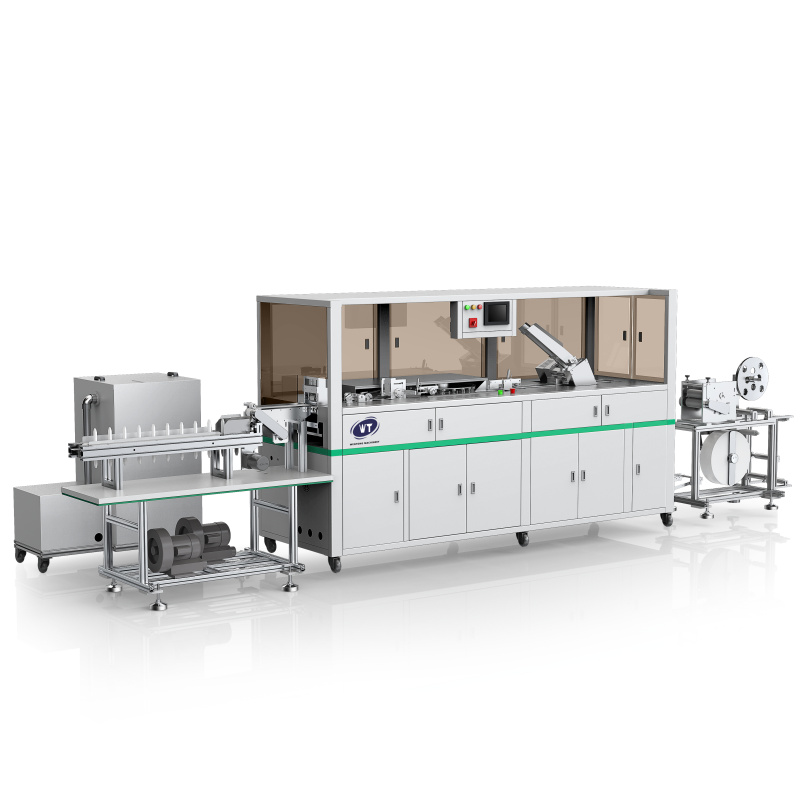
Optimize Workflow Design for Seamless Packaging Machine Integration
Efficient workflow design bridges the gap between printing operations and packaging execution.
Assess Current Packaging Machine Capacity and Identify Underutilized Assets
Take a good look at what's happening with all those packaging machines sitting around. Most plants are running way below their potential these days, maybe only hitting about 65% capacity according to some recent industry reports from last year. Check out the runtime numbers and maintenance records first thing. That'll show where the real problems lie. A lot of companies waste money on new equipment when they already have plenty of unused capacity lying dormant. Some simple moves like moving machines to different lines or getting operators trained on features they never use can boost output by anywhere from 15 to 20 percent without spending a dime on new hardware.
Design a Linear Product Flow to Reduce Handling and Delays
Map material movement from printing stations to palletizing zones, eliminating redundant transfer points. A unidirectional flow reduces travel distances by 40% and minimizes manual intervention risks like misaligned cartons or labeling errors.
Align Equipment Layout with Printing Workflows for Smooth Operations
Position packaging machines to mirror your print production sequence—placing shrink-wrapping systems downstream of booklet presses. Leading manufacturers emphasize modular spacing configurations that maintain safe clearances while enabling rapid format changes.
Match Machine Speeds and Output Rates to Eliminate Bottlenecks
Synchronize upstream and downstream equipment cycles using real-time OEE tracking. If your folder-gluer processes 120 units per minute, ensure downstream carton erectors operate at 130 units per minute to absorb surges. This velocity alignment prevents $58/hour losses from speed mismatches in medium-scale facilities.
Increase Throughput with Automation in Sealing, Folding, and Changeovers
Automate Sealing and Folding Processes to Boost Throughput and Cut Labor Costs
The latest packaging equipment with automatic sealing and folding features boosts production rates anywhere from 35 to maybe even 50 percent faster than what workers can manage manually according to Packaging Efficiency Institute data from last year. When print shops install these modular automation setups, they basically get rid of those boring repetitive jobs such as making cartons or applying labels. Labor expenses drop around 60% in most cases. What's really nice about these systems is how they maintain good seal integrity on different materials including things like corrugated cardboard boxes and plastic film wraps. Less rework means fewer headaches for everyone involved in the process.
Implement Modular Tooling Systems for Fast Job Changeovers
Switching between packaging formats historically caused 20–30 minutes of downtime per shift. Tool-free adjustment systems now enable changeovers in under 5 minutes through standardized clamp designs and pre-programmed machine settings. This flexibility supports just-in-time production for custom print runs without sacrificing speed.
Use Predictive Maintenance and IoT Sensors to Minimize Unplanned Downtime
Vibration sensors and thermal imaging cameras detect early signs of motor wear or belt misalignment, reducing breakdowns by 42% (Industrial Maintenance Report 2023). Cloud-based dashboards provide real-time alerts for lubrication needs or component replacements, shifting from reactive to scheduled maintenance.
Track Performance with OEE and Real-Time Monitoring for Continuous Improvement
Calculating Overall Equipment Effectiveness (OEE) across availability, performance, and quality metrics reveals hidden bottlenecks like intermittent jams or setup delays. Plants using OEE tracking achieve 12–18% annual throughput gains by reallocating resources to underperforming packaging lines.
Reduce Waste and Material Handling with Precision Packaging Machines
Calibrate packaging machines accurately to minimize material waste
Precision calibration ensures exact measurements for every package, cutting material overuse. Facilities using laser-guided alignment systems reduced film waste by 15% annually (Packaging Efficiency Report 2024). Modern machines with tension sensors automatically adjust wrapping pressure, eliminating the 2–5% material loss common in manual operations.
Improve material handling practices through better alignment and automation
Automated material tracking systems reduce misalignment errors by 40% compared to manual loading (Packaging Operations Journal 2023). Leading plants integrate robotic arms with packaging machine feeds to maintain continuous substrate flow, cutting handling-related product damage by 28%.
Case Study: Achieving 30% waste reduction with servo-driven packaging technology
A printing company in Ohio recently upgraded to servo-controlled machines that track material usage in real time. These new systems have amazing 0.1mm accuracy which cuts down on excess cardboard trimming. They also use some pretty clever algorithms for sealing that save a lot on glue costs. Looking at their numbers over nearly two years, the company managed to cut out around 32 tons of waste material. That represents about 12 percent of what they normally spend on materials each year according to their own records. What makes this even better is that almost 9 out of 10 pieces of scrap from production get recycled right there on the line instead of going to landfill. The savings aren't just financial either since less waste means smaller environmental footprint too.
Maximize ROI Through Smart Investment in Versatile Packaging Equipment
Printing businesses achieve peak efficiency when packaging operations match production capabilities. Strategic equipment investments focused on flexibility and measurable returns create sustainable competitive advantages in dynamic markets.
Evaluate Return on Investment for Packaging Machine Upgrades
When looking at whether a new packaging line makes financial sense, start with comparing what it'll cost to own versus how much money it could save down the road. According to research published by PrintTech last year, nearly eight out of ten packaging operations that aren't performing well have simply been using old fashioned methods for calculating return on investment. Energy usage matters a lot too, along with how often parts need replacing and all those man hours that get cut when machines handle tasks automatically. The Packaging Machine Investment Guide lays out a proper way to evaluate these numbers, showing not just quick boosts in output but also how adaptable businesses become in shifting markets over time. After all, nobody wants to invest in something that looks good today but becomes obsolete tomorrow.
Choose Multi-Format, Substrate-Flexible Machines for Long-Term Adaptability
| Investment Factor | Standard Equipment | Advanced Multi-Format Machines |
|---|---|---|
| Material Compatibility | 2–3 substrates | 5+ substrates |
| Job Changeover Time | 45–60 minutes | <10 minutes |
| Annual Waste Reduction | 8–12% | 3–5% |
| Average ROI Period | 24–36 months | 12–18 months |
Machines handling diverse materials—from rigid boxes to polybags—future-proof operations against shifting client demands. Top performers prioritize servo-driven systems that automatically adjust to new packaging dimensions without manual recalibration.
Data Point: 68% of Print Businesses See Payback Within 18 Months
The latest findings from industry studies show packaging automation is paying off quicker these days. About seven out of ten businesses actually get their money back within just eighteen months. How? They save big on labor costs since workers typically earn around $18.50 per hour. Plus there's less material waste cutting down about 22%, and they can process orders much faster too with a 31% boost in throughput. Looking at these numbers makes sense why so many companies are jumping on board. When shopping for new equipment though, smart operators look for systems that can grow with them. After all, product lines change and order volumes fluctuate constantly. Getting something scalable means the investment won't become obsolete as quickly when business needs evolve.
Enhance Labor Productivity and Operational Synergy with Integrated Systems
Combine Automation With Targeted Training to Optimize Workforce Efficiency
Packaging machines really shine when the people operating them know what the equipment can do and how the whole production process works. When companies combine automated systems with good training across different functions, their workers end up being able to handle several parts of the production line at once and spot problems before they become big issues. Take for instance those operators who get proper training in predictive maintenance. They learn to read the data coming from IoT sensors and tweak machine settings ahead of time. According to Ponemon's research from last year, this approach cuts down downtime by around 18 to 22 percent in most printing operations. Focusing equally on both tech advancements and employee skills means businesses don't have to rely so much on specialists anymore. Staff members can now look after about 30 to 40 percent more packaging lines than before, all while keeping product quality consistent.
Integrate ERP and Shop Floor Data for Real-Time Scheduling and Feedback
When enterprise resource planning (ERP) systems get connected to packaging machines, they create this two way communication channel that cuts out all those tedious manual updates. The system works so that whenever real time production numbers show adhesive levels getting low, it automatically sends out requests for more materials. If there are delays happening in the production line, the system will send alerts about needing to reschedule things. A recent look at operational efficiency from 2023 found some pretty impressive results for companies with these integrated setups. They saw their scheduling mistakes drop by almost two thirds, down to just 33%. And what's even better? These same businesses hit their delivery deadlines around 92% of the time, which makes a huge difference in customer satisfaction.
Strategy: Closed-Loop Communication Between Packaging Output and Job Planning
When packaging machines can talk directly to prepress departments, workflows become much more flexible. Take what happens when a digital printer starts running slow because of different materials being used. The system will actually hold off starting the next stage of packaging until things get back on track, which stops all those unwanted material backups. Companies using these kinds of connected systems report about 28 percent less downtime for their equipment. Plus, they find that predicting how long jobs will take becomes roughly 40% more accurate across multiple stages of production. These improvements make a real difference in day to day operations.
FAQs
Why is assessing current packaging machine capacity important?
Assessing current packaging machine capacity helps identify underutilized assets and can increase efficiency by redeploying existing resources instead of investing in new equipment.
How can automation increase throughput in packaging processes?
Automation of sealing, folding, and changeovers can boost throughput by speeding up production and reducing labor costs, thus increasing efficiency significantly.
What are the benefits of integrating ERP systems with packaging machines?
Integrating ERP systems with packaging machines ensures real-time scheduling updates and material requests, reduces manual errors, and improves delivery timelines, ultimately enhancing operational efficiency.
How do advanced multi-format machines impact ROI in packaging operations?
Advanced multi-format machines offer higher material compatibility, reduced job changeover times, and lower waste production, leading to faster ROI and long-term adaptability in changing markets.
Table of Contents
- Optimize Workflow Design for Seamless Packaging Machine Integration
- Increase Throughput with Automation in Sealing, Folding, and Changeovers
- Reduce Waste and Material Handling with Precision Packaging Machines
- Maximize ROI Through Smart Investment in Versatile Packaging Equipment
- Enhance Labor Productivity and Operational Synergy with Integrated Systems
- FAQs