 EN
EN


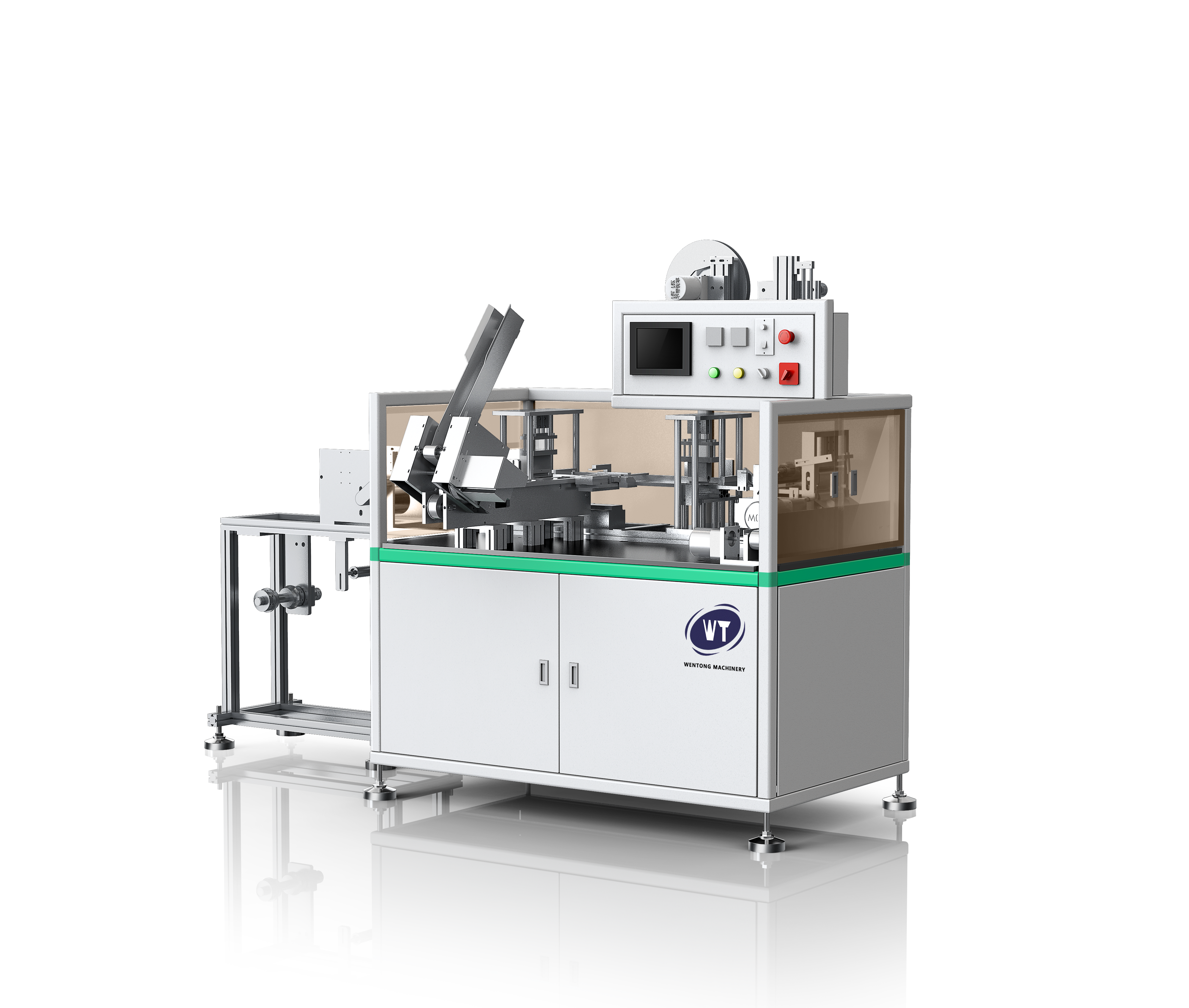
How a Hot Stamping Machine Works: Process and Materials
What is Hot Stamping and How It Works
Hot stamping works as a precise way to apply decorative foil to different surfaces by combining heat, pressure, and specially made dies. When operating a hot stamping machine, the process involves pressing a heated metal die engraved with whatever design is needed against both the foil and whatever surface it's going on. As the heat kicks in, it makes the adhesive part of the foil stick to the material, leaving behind either metallic or colored designs while the rest of the foil peels away. Most contemporary foils have three main components these days. There's usually a top layer for color or pigmentation, then comes the sticky stuff that actually bonds everything together, and finally there's this polyester backing that gets removed once the transfer happens. This layered approach allows for pretty impressive results across various materials and applications.
The Step-by-Step Hot Stamping Process and Mechanism
- Die Heating: The machine heats the metal die to 120–300°C, depending on the foil and substrate.
- Foil Alignment: A roll of foil is fed between the die and the substrate—commonly plastic, paper, leather, or coated metal.
- Pressure Application: The die presses the foil onto the substrate for 0.5–2 seconds.
- Adhesion Transfer: Heat softens the adhesive layer, allowing the pigment or metal layer to bond with the substrate under pressure.
- Cooling & Release: The die retracts, leaving a durable, high-definition imprint as the carrier film lifts away.
Common Materials and Foils Used in Hot Stamping
| Material Type | Foil Options | Applications |
|---|---|---|
| Plastics (ABS, PVC) | Metallic gold/silver | Cosmetic packaging |
| Paper/Cardboard | Holographic patterns | Luxury labels & branding |
| Leather/Synthetics | Matte/textured finishes | Automotive interiors |
| Metals (coated) | Pigment-based colors | Electronics components |
The process supports foils as thin as 12 µm and reproduces fine details down to 0.2 mm line widths. Digitally textured foils now enable 3D-like holographic effects without additional processing steps.
Types of Hot Stamping Finishes: Metallic, Matte, Holographic & Glossy
Overview of Hot Stamping Finishes: Metallic, Matte, Holographic, and Glossy
Hot stamping machines can apply up to four different finishes that really boost both how something looks and feels to the touch. The metallic foils give those shiny gold, silver, or copper highlights we all recognize, whereas matte finishes provide that nice soft feel without any glare, which works great for upscale branding materials. Then there are those holographic foils that change colors when viewed from different angles these days they're especially popular on secure documents and fancy product boxes. Glossy finishes just make everything pop with color thanks to their shiny surface. Getting each type right means working with particular kinds of foils and keeping temperatures spot on during application so they stick properly whether it's paper stock, plastic sheets, or surfaces coated with lacquer.
Metallic Foil Stamping: Achieving Timeless Elegance
Luxury packaging often features metallic finishes because they just look so premium. These special foils get applied around 120 to 150 degrees Celsius, sticking aluminum or colored pigments onto things like makeup containers and fancy gift boxes. Most top tier brands go for gold or silver touches since these colors scream quality to consumers. What makes this finish stand out is how it stays bright and shiny even after sitting in sunlight for ages. That durability means logos and brand marks keep looking sharp on store shelves year after year without losing their luster.
Holographic and Iridescent Effects: Creating Eye-Catching Shine
Holographic foils create those rainbow-like, three-dimensional effects thanks to tiny embossed patterns called diffraction gratings. The colors actually shift when the light changes angle, which is pretty cool if you think about it. We see them all over the place these days on special edition packaging, security labels that stop counterfeiting, and even some phone cases. There are also versions that look like real pearls or opals with those soft gradient transitions between colors. Companies fighting tough competition love this stuff because it makes their products stand out on store shelves. Shoppers notice them faster and tend to associate the flashy look with something new and innovative in the market.
Matte and Textured Finishes: Enhancing With Subtle Sophistication
Matte foil gives products that soft, non-shiny look which really works well for brands going the minimalistic or handcrafted route. When we talk about textured finishes, they bring an extra dimension to packaging through various patterns like the feel of linen fabric, the look of leather grain, or even those cool geometric embossed designs. Skincare companies love this stuff because it feels luxurious in the hand, and wineries find it adds character to their bottle labels too. The good news is hot stamping equipment allows designers to mix both matte and glossy elements within one design. Think about having a dull background but letting certain text pop out in shiny gold or silver. This kind of contrast helps guide the eye naturally toward what matters most in the overall design.
Visual and Tactile Impact: Elevating Brand Identity with Hot Stamping
The Sensory Appeal of Tactile and Visual Effects in Packaging
Hot stamping gives packaging an extra dimension that appeals to our senses beyond just looking at it. Think about those raised patterns on luxury boxes or the way some surfaces catch light differently when tilted. These effects transform ordinary cardboard or plastic into something people actually want to touch and explore. Most shoppers gravitate toward products with interesting surface treatments anyway. Studies show there's definitely a link between how nice something feels in hand and what we think it's worth. When customers run their fingers over these special finishes, they're getting a subtle message about the brand's quality without anyone having to say anything out loud.
Design Flexibility and Aesthetic Enhancement Through Hot-Stamped Elements
The precision of hot stamping allows for intricate detailing on curved, uneven, or delicate surfaces—capabilities beyond traditional printing methods. Designers use this flexibility to incorporate gradient transitions, micro-textured logos, and light-responsive holograms. These elements enhance brand storytelling and create memorable unboxing experiences.
Strengthening Brand Identity Through Premium Packaging Decoration
Consistent use of signature foil finishes builds instant shelf recognition. Luxury brands report faster consumer recall when using distinctive stamped elements across product lines. For example, limited-edition cosmetic releases featuring tactile motifs have generated higher social media engagement, demonstrating how sensory details fuel organic brand advocacy.
Applications in Cosmetic Packaging: Tubes, Bottles, and Labels
Why Hot Stamping Is Ideal for Cosmetic Packaging
Hot stamping machines can achieve incredibly precise results down to the micron level when working on tricky cosmetic packaging like those curved glass bottles and those bumpy plastic tubes that keep popping up everywhere these days. What makes them stand out is how the heat activates the bonding process, which stands up pretty well against all that wear and tear during production runs and shipping around warehouses. People actually notice when packaging holds up over time, and there's definitely a connection between strong packaging and what consumers think about the product inside. Screen printing just doesn't cut it for these irregular shapes. Hot stamping sticks where it needs to without cracking, which explains why so many brands are turning to this method for their flexible tubes and those fancy shaped bottle caps we see at drug stores.
Hot Stamping on Cosmetic Tubes and Bottles: Techniques and Benefits
The rotary hot stamping system works great on round containers like those little lipstick tubes and perfume bottle tops. These machines apply steady pressure while feeding foil in sync at temperatures somewhere around 150 to 300 degrees Fahrenheit. For things that aren't round, flatbed presses do the job better. Think makeup compacts or eye shadow palettes with their square edges. Companies that incorporate hot stamped designs into their packaging often notice customers see their products as worth more money. Most brand managers will tell you it's all about that luxurious appearance and tactile experience when someone picks up the package.
Labeling and Surface Decoration Using Hot Stamping Technology
Holographic foil makes lipstick packaging really pop with those rainbow-like effects when light hits it, whereas matte finishes actually help people hold onto shower cream bottles better without slipping. A few companies have started using something called dual hot stamping which lets them put shiny brand logos right next to important warning labels on medical beauty products. The folks at Packaging & Labeling Institute point out that this two-in-one method helps meet regulations since the labels stay clearer and last longer than regular printed ones. For manufacturers dealing with strict rules about product safety information, this seems like a smart solution that works well in practice too.
Choosing the Right Hot Stamping Machine and Foil for Your Needs
How to Select the Best Hot Stamping Method for Your Product
When picking out a hot stamping machine, production volume and what kind of material we're working with should be the main factors. For big operations running thousands of units daily, high speed automatic machines make sense most of the time. But if someone is just doing smaller runs or prototypes, then going with manual or semi automatic options gives them that extra flexibility they need. Materials matter too. Metallic foils stick pretty good on smooth surfaces such as PVC plastics. However when dealing with things like fabric or paper these porous materials might need either more heat applied during the process or special types of foil designed specifically for creating those textured effects that look so nice in finished products.
Can You Use Custom Foils in Hot Stamping Machines?
Yes, most industrial hot stamping machines support custom foils, provided they meet thermal (120–180°C) and adhesive requirements. Collaborate with suppliers to test formulations on your specific substrate. Custom holographic, matte, or eco-friendly foils can differentiate branding while maintaining durability and performance.
Tips for Achieving Flawless Hot Stamping Results
- Test extensively: Conduct trials on scrap material to optimize temperature, pressure, and dwell time.
- Prioritize die quality: Use etched or laser-cut dies for sharp, consistent results on intricate designs.
-
Maintain equipment: Clean silicone pads and heating elements weekly to prevent residue and ensure even heat distribution.
For multi-color applications, align registration marks carefully and apply foils in sequence to prevent misregistration or bleed-through.
FAQ
What types of materials can be used with hot stamping machines?
Hot stamping can be applied to a variety of materials, including plastics like ABS and PVC, paper, cardboard, metals, and leather. The choice of material can affect the foil options and applications.
Can hot stamping machines handle custom foil designs?
Yes, most industrial hot stamping machines can use custom foils as long as they meet specific thermal and adhesive requirements.
Table of Contents
- How a Hot Stamping Machine Works: Process and Materials
- Types of Hot Stamping Finishes: Metallic, Matte, Holographic & Glossy
- Visual and Tactile Impact: Elevating Brand Identity with Hot Stamping
- Applications in Cosmetic Packaging: Tubes, Bottles, and Labels
- Choosing the Right Hot Stamping Machine and Foil for Your Needs
- FAQ