 EN
EN


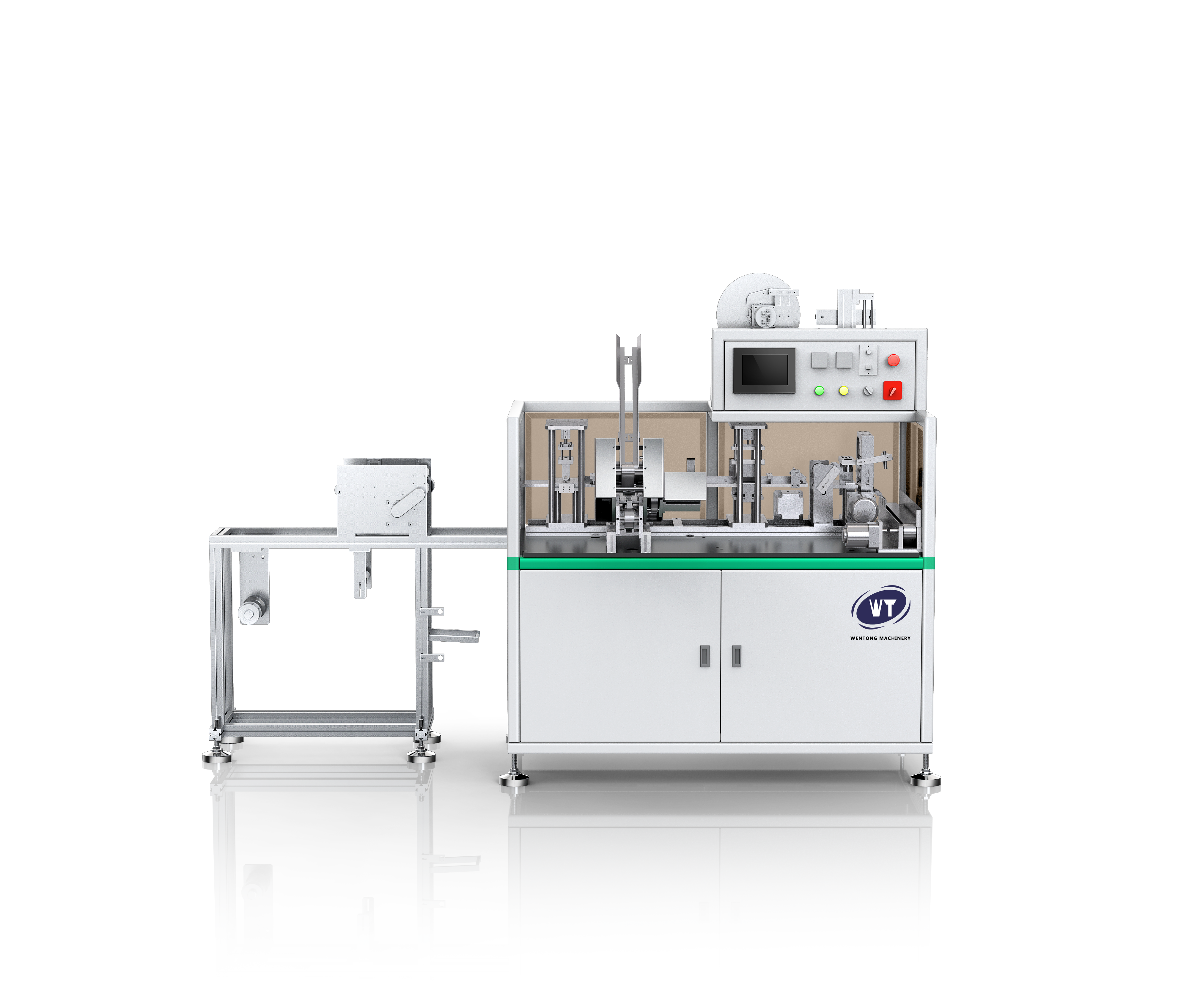
How Hot Stamping Machines Work: Process and Key Components
What is Hot Stamping and How It Works
Hot stamping machines work by applying both heat and pressure to put those fancy or useful designs on stuff like plastic parts, metal surfaces, and even leather goods. The process starts with creating a special die that has been engraved exactly as needed for whatever design is wanted. These dies get pretty hot too, usually somewhere around 120 degrees Celsius all the way up to 300 degrees depending on what material needs treatment. Press this heated die against a particular kind of foil that sits on top of whatever object we're working on, and something interesting happens. The sticky stuff inside the foil gets activated when it heats up, which makes the colorful or shiny bits stick permanently to whatever surface they touch. What comes out at the end are these really crisp marks that last forever. Great for putting company logos on products, marking parts clearly so nobody mixes them up, or just giving things that extra bit of visual appeal customers love seeing.
Core Components of a Hot Stamping Machine
Four critical elements define these systems:
- Heated Die: Typically made from brass or silicone, it transfers the design while maintaining thermal stability.
- Foil Feeding Mechanism: Precisely unwinds and positions foil sheets or rolls for consistent application.
- Hydraulic/Pneumatic Press: Applies uniform pressure (5–15 bar) to ensure complete foil adhesion.
- Temperature Controls: Advanced PID controllers regulate die heat within ±2°C of target settings for repeatability.
Temperature Control in Hot Stamping for Precision Results
Getting thermal control right makes all the difference when it comes to quality outcomes. Studies from the Material Science Journal back this up showing that even small temperature swings over plus or minus 5 degrees Celsius can cut down on adhesive strength by almost half. The latest equipment now comes packed with real time sensors and feedback loops that constantly tweak heat settings across different areas. These adjustments matter because materials expand at different rates when heated. Take ABS plastic versus metal coatings for instance they react completely differently to temperature changes. By maintaining such tight control, manufacturers slash material waste while hitting those tough specifications required in sectors like car manufacturing and electronic component production where tolerances are razor thin.
Hot Stamping in Automotive Manufacturing: Strength, Precision, and Automation
Use of Hot Stamping in Automotive Manufacturing for Durability
Hot stamping lets car manufacturers create really strong yet light parts that still pass all those tough crash tests. Around 30 percent of today's car bodies actually contain these special parts such as door beams, pillars, and bumpers reinforced with boron alloyed steel similar to 22MnB5 material. According to research published by Springer back in 2020, this particular type of steel can reach impressive tensile strength levels around 1500 MPa. How does hot stamping work? Well first they heat up the steel until it reaches about 900 degrees Celsius, then press it into shape while applying pressure, followed by quick cooling to maintain that solid structure. What makes this technique so valuable is that the resulting components weigh approximately 40% less compared to conventional options but remain just as durable. This kind of weight reduction helps improve fuel efficiency across the board for automotive manufacturers looking to cut costs and reduce emissions at the same time.
Case Study: Hot Stamping Machine Integration in Tier-1 Auto Parts Production
One major European automotive parts maker cut production expenses by around 18 percent when they brought in these new servo driven hot stamping machines for their chassis assembly line. They paired robots with continuous temperature checks throughout the process, which shaved off about 22% from their cycle times without compromising on precision - parts still stay within that tight tolerance range of plus or minus 0.2 millimeters. Today this setup churns out well over two million critical safety components every year, supplying both EV manufacturers and traditional car makers who still rely on internal combustion engines.
Materials Suitable for Hot Stamping in High-Stress Automotive Components
Material selection criteria for automotive hot stamping:
| Property | Requirement | Example Alloys |
|---|---|---|
| Post-Forming Strength | ≥1,200 MPa | 22MnB5, Usibor® 1500 |
| Ductility | 5-7% elongation | Al-Si coated steels |
| Thermal Conductivity | 30-50 W/mK | Tailored quench steels |
Boron-alloyed steels dominate due to their phase transformation during quenching. However, automakers are testing aluminum-coated variants to eliminate post-stamping anti-corrosion treatments.
Automated Systems in Hot Stamping: Robotic Arms Enhancing Precision
Today's hot stamping operations rely on those fancy six axis robots with built in infrared sensors to move metal blanks back and forth between furnaces and presses. The positioning accuracy is pretty impressive too, staying within half a millimeter most of the time. According to recent industry reports, when factories implement these automated temperature controls, they see dramatic improvements in quality control. Scrap rates drop from around 8 percent down to just 1.2 percent during mass production runs. What makes these systems really stand out though is their ability to tweak the pressing force continuously throughout the process. They constantly monitor how thick each piece of material actually is and make adjustments on the fly, which helps maintain consistent product quality across entire batches.
Balancing Cost vs. Performance in Automotive Hot Stamping
While initial investment ranges from $2.5 to $4 million, hot stamping reduces lifecycle costs through:
- 60% lower tooling wear compared to cold stamping
- 35% energy savings via integrated heat recovery
- 50% faster die changeovers using modular clamping
For mid-volume EV platforms, hybrid approaches like laser-tailored blanking optimize material usage, reducing waste by up to 19% without additional tooling.
Packaging and Print Media: Enhancing Brand Aesthetics with Hot Stamping Machines
Enhancing Brand Appeal with Hot Stamping Foil Applications
When it comes to standing out on store shelves, hot stamping turns ordinary packaging into something special through the application of metallic, holographic effects or sleek matte finishes. Retail studies from Packaging Digest back this up showing products with these foil treatments get about 36% more customer interest in stores. That's why we see so many high end beauty brands, fancy drink bottles, and special edition items using this method. According to various industry analyses, gold and silver foils really boost what people think about product value. This effect is most noticeable on sturdy cardboard boxes and label designs where those shiny surfaces just naturally catch the eye when someone walks past them.
Materials Considerations for Flexible and Rigid Packaging
Material compatibility is key to successful hot stamping:
- Flexible films (PET, PP) require lower temperatures (90–110°C) to prevent warping.
-
Rigid substrates like coated paperboard tolerate higher heat (130–150°C) for stronger adhesion.
Textured materials demand precise pressure calibration—improper settings reduce foil transfer efficiency by 41% in embossed packaging (Flexo & Gravure Global, 2023).
High-Resolution Logos and Metallic Finishes in Print Media
Hot stamping works really well when it comes to detailed designs. Think about those tiny logos under 0.1mm on makeup compacts or the shiny gradient text we see on fancy wine labels. According to some research from Printing Industries of America in 2024, text stamped this way stays sharp even after being rubbed down. The study showed hot stamped text kept 98% of its clarity while digital prints only held onto around 73%. That kind of toughness is why so many publishers choose hot stamping for things people handle a lot, like catalogues that get flipped through constantly or luxury brochures that need to look pristine no matter how often they're picked up and examined.
When to Use Hot Stamping Over Digital or Screen Printing
Choose hot stamping when:
- Metallic or pearlescent effects are needed—unachievable with CMYK.
- Producing more than 5,000 units, where per-unit foil costs drop by 60% (Packaging Strategies 2023).
- Substrates require chemical or scratch resistance, such as outdoor equipment manuals.
Digital printing suits short runs with variable data, while screen printing struggles with gradients below 150 LPI.
Trend: Sustainable Foils and Eco-Friendly Hot Stamping Processes
Recyclable aluminum foils containing 70% post-industrial content now match conventional brilliance while reducing landfill waste by 29% per cycle (Sustainable Packaging Coalition 2023). Water-based adhesives and UV-curable systems cut VOC emissions by 54%, aligning with the 58% of brands committed to eco-friendly decorating methods by 2025 (Packaging World).
Customization in Consumer Goods: Hot Stamping on Plastics, Leather, and Appliances
Benefits of Hot Stamping in Industrial Applications on Plastic Surfaces
Hot stamping gives industrial plastic parts amazing staying power, and we've seen cases where the stamped designs still look clear as glass even after five years of constant handling. Basically what happens is the foil gets fused onto materials such as ABS plastics and polycarbonates using carefully managed heat and pressure levels. This creates those tough logos and important safety markings that just don't fade away like screen printing does over time. Many factories actually prefer this method when making those critical ISO certified labels for medical equipment, plus it works great for putting durable brand marks on car interiors that get touched all day long.
Case Study: Appliance Manufacturers Adopting Inline Hot Stamping Systems
A major kitchen appliance producer reduced customization costs by 34% by integrating inline hot stamping into injection molding lines. The system applies model numbers and energy ratings during the molding cycle, eliminating post-production labeling and achieving 0.1mm positional accuracy across 15,000 daily units.
Challenges in Adhesion and Surface Preparation for Plastics
Surface energy variations in polymers are critical—materials like polypropylene require plasma pretreatment to reach the 38 dyne/cm² threshold for reliable foil bonding. Advanced cleaning stations now combine UV-ozone treatment with automated IPA wiping to ensure consistency across batches.
Applications in Luxury Bags, Footwear, and Accessories
High-end leather goods manufacturers use hot stamping machines to imprint intricate patterns on calfskin belts and handbags, achieving detail resolutions up to 400dpi. The technique produces permanent metallic logos that withstand over 200 hours of accelerated abrasion testing, outperforming embroidery in longevity.
Advantages of Hot Stamping for Batch Personalization in Fashion
Fashion brands achieve 72-hour turnaround on limited editions using modular hot stamping systems. These allow quick foil changes between metallic, holographic, and matte finishes while maintaining ±2°C temperature control for sensitive fabrics like silk blends and vegan leather.
Future of Hot Stamping Machines: Smart Technology and Sustainable Innovation
Integration of AI and IoT in Next-Gen Hot Stamping Equipment
The latest generation of hot stamping equipment is starting to bring in artificial intelligence and internet connected sensors, which helps cut down on wasted materials somewhere around 12 to maybe even 18 percent according to Packaging Digest from last year. What these smart systems do is constantly tweak the pressure settings while they're running, plus they can actually tell when parts might need fixing before anything breaks down completely. This kind of proactive approach saves companies roughly 30% less downtime in busy production lines where every minute counts. Machines equipped with AI now handle the tricky business of lining up foils correctly for complicated designs all by themselves. The result? Much more consistent quality across different materials such as those fancy embossed leathers or plastic surfaces with special textures that used to give operators headaches.
Growth Forecast: Hot Stamping Market to Reach $2.3B by 2027
The global hot stamping machine market is projected to grow at a 6.8% CAGR through 2027 (MarketsandMarkets), driven by demand from automotive and luxury packaging. Pharmaceutical blister packaging accounts for 22% of new industrial adoption, as manufacturers prioritize tamper-evident metallic seals.
Sustainability Challenges and Innovations in Hot Stamping Foil Recycling
Although 78% of stamping foils still end up in landfills (Sustainable Packaging Coalition 2023), breakthroughs in polymer separation now enable 95% recovery from multi-layer substrates. Leading suppliers have introduced plant-based foils with equal metallic sheen but a 40% lower carbon footprint, as detailed in the 2024 Material Circularity Report.
Strategy: Investing in Modular Hot Stamping Machines for Multi-Industry Use
Forward-thinking manufacturers are adopting modular systems capable of handling diverse tasks—from automotive boron steel hardening to cosmetic packaging detailing—without retooling. These configurable units reduce capital expenditure by 35% for SMEs entering hybrid production models, while maintaining sub-0.1mm stamping precision across applications.
FAQ
What is hot stamping used for? Hot stamping is used to apply designs or labeling to various surfaces, including plastic, metal, and leather, creating durable and visually appealing products.
What are the main components of a hot stamping machine? The main components are a heated die, foil feeding mechanism, hydraulic/pneumatic press, and temperature controls.
How does temperature control affect hot stamping? Precise temperature control is crucial for maintaining quality and adhesive strength; minor temperature variations can significantly impact results.
What industries commonly use hot stamping? Hot stamping is popular in automotive manufacturing, packaging, print media, and consumer goods, offering durability and aesthetic value.
Are there challenges in hot stamping processes? Yes, such as ensuring proper surface preparation and adhesion, especially for plastics and textured materials.
Table of Contents
- How Hot Stamping Machines Work: Process and Key Components
-
Hot Stamping in Automotive Manufacturing: Strength, Precision, and Automation
- Use of Hot Stamping in Automotive Manufacturing for Durability
- Case Study: Hot Stamping Machine Integration in Tier-1 Auto Parts Production
- Materials Suitable for Hot Stamping in High-Stress Automotive Components
- Automated Systems in Hot Stamping: Robotic Arms Enhancing Precision
- Balancing Cost vs. Performance in Automotive Hot Stamping
- Packaging and Print Media: Enhancing Brand Aesthetics with Hot Stamping Machines
-
Customization in Consumer Goods: Hot Stamping on Plastics, Leather, and Appliances
- Benefits of Hot Stamping in Industrial Applications on Plastic Surfaces
- Case Study: Appliance Manufacturers Adopting Inline Hot Stamping Systems
- Challenges in Adhesion and Surface Preparation for Plastics
- Applications in Luxury Bags, Footwear, and Accessories
- Advantages of Hot Stamping for Batch Personalization in Fashion
- Future of Hot Stamping Machines: Smart Technology and Sustainable Innovation
- FAQ