 EN
EN


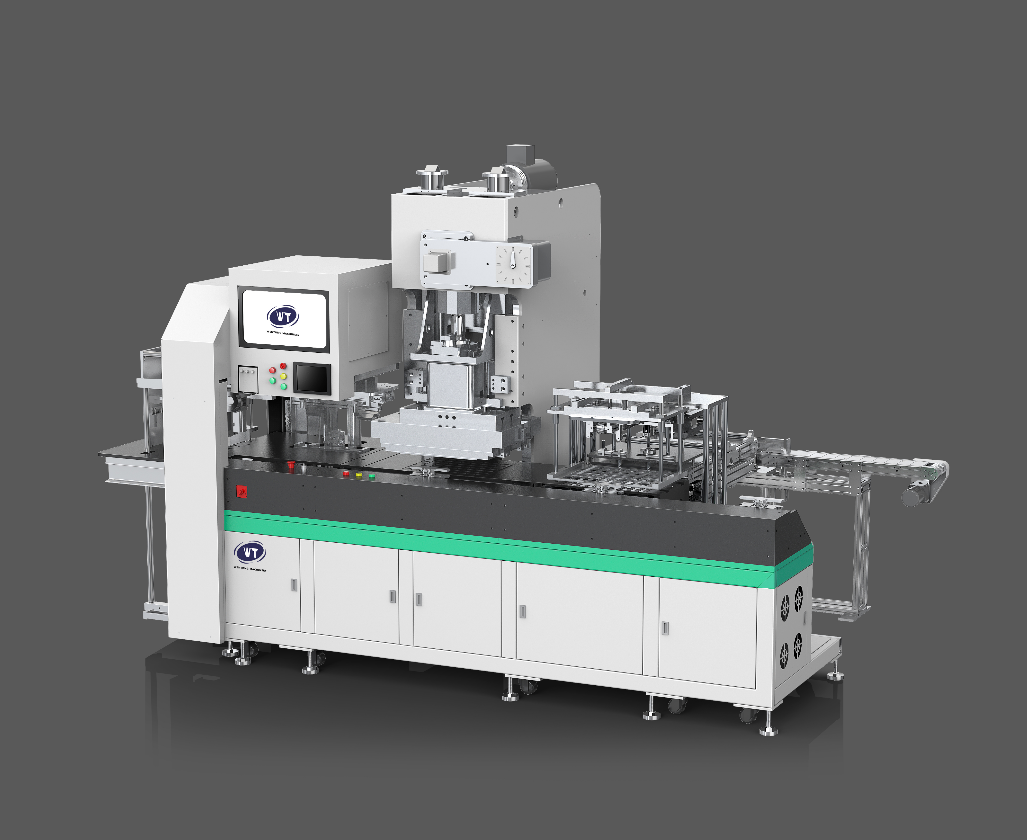
Precision and Consistency in Manufacturing
Achieving Tight Tolerance and Accuracy in Die-Cutting Through Digital Control
Today's die cutting machines can hit tolerances below ±0.1 mm thanks to their software guided positioning systems, which are way better than what humans could ever manage manually. With digital controls in place, there's no need to worry about calibration mistakes anymore. These machines produce consistent cuts time after time, even when dealing with really complex stuff like those tiny holes in medical seals or layered gaskets used in cars. According to an FDA report from 2024, around 3.5 million problems with medical devices were traced back to inconsistent manual cutting techniques. That's why so many factories have switched over to these digital machines recently.
Role of Precision in Industries Like Packaging, Electronics, and Medical Devices
- Medical Devices: Misaligned IV bag seals risk contamination; precision die cutting ensures hermetic seals meeting ISO 13485 standards.
- Consumer Electronics: Die-cut polymer films for smartphone screens require ±0.05 mm accuracy to prevent touch-sensor malfunctions.
- Flexible Packaging: Variations beyond 0.2 mm in resealable snack pouches cause leakage, costing brands $740k annually in returns (Ponemon 2023).
Case Study: Reducing Error Rates by 90% in Medical Device Packaging
A European sterile packaging supplier reduced defect rates from 12% to 1.2% within 8 months by adopting laser-guided die cutting machines. Real-time optical sensors detect micron-level misalignments during production, automatically halting the line for adjustments. This saved the company $2.7 million yearly in wasted materials and recall mitigation.
How Automation Enhances Consistency and Quality Control
When automated die cutting works alongside AI vision systems, it checks each individual cut against those CAD designs we all know so well from engineering drawings. These systems catch even tiny mistakes down to about 0.03 millimeters. Gone are the days of just checking samples here and there. Now everything gets inspected completely, which matters a lot in aerospace composite manufacturing because one bad cut could really mess up the whole structure of an aircraft component. After running through thousands of units, these automated setups typically hit around 99.95% accuracy according to quality control reports. That kind of performance meets those strict Six Sigma standards manufacturers strive for when they want near-perfect production runs without wasting materials or time on rework.
Increased Efficiency and High-Volume Production
Maximizing Output with High-Speed Digital Die Cutting Machine Technology
Modern digital die cutting machines deliver 300–1,200 cycles/hour through precision servo-electric drives, outperforming mechanical counterparts by 40% in sustained production (Grand View Research 2023). This enables manufacturers to fulfill bulk orders like 50,000 cosmetic packaging units in 8-hour shifts without quality degradation—critical for industries requiring just-in-time delivery models.
Reduced Setup Times and Quick Job Changeovers for Agile Production
Automated toolpath programming slashes setup from 90 minutes to under 15 minutes through preloaded CAD templates. One automotive supplier reduced changeover delays by 70% after adopting laser-guided registration systems (Automation World 2024), allowing concurrent processing of 12+ material types daily.
Trend Analysis: Shift Toward Automated Workflows in Modern Manufacturing
65% of EU manufacturers now prioritize IoT-integrated cutting systems for real-time job tracking—a 22% year-over-year increase since 2021. This aligns with the broader Industry 4.0 movement, where cloud-based die cutting machine networks reduce unplanned downtime by 31% through predictive maintenance alerts.
Cost Savings and Long-Term ROI
Advanced die cutting machines transform cost structures by replacing legacy processes with digitally driven solutions. Businesses adopting this technology typically achieve full ROI within 12–18 months while unlocking enduring financial advantages.
Elimination of Physical Dies Cuts Tooling Costs by Up to 70%
Traditional die cutting relies on custom metal dies costing $5,000–$20,000 per set, with lead times of 6–8 weeks. Digital systems eliminate this expense entirely, enabling immediate production readiness. Manufacturers report 70% lower tooling expenditures (Packaging Trends Report 2023), particularly benefiting short-run projects and prototype development.
Reducing Material Waste Through Optimized Digital Nesting
Advanced software algorithms maximize material utilization by arranging patterns with millimeter precision. This reduces scrap rates by 18–25% compared to manual nesting, directly lowering annual material costs. One automotive supplier cut foam waste by 28 tons yearly using this method, translating to $84,000 in annual savings at current commodity prices.
ROI Comparison: Traditional vs. Advanced Die Cutting Machine
| Factor | Traditional Machine | Advanced Digital Machine |
|---|---|---|
| Upfront Cost | $80,000–$150,000 | $120,000–$300,000 |
| Annual Tooling Costs | $20,000–$50,000 | $0 |
| Material Waste Rate | 12–18% | 6–9% |
| Payback Period | N/A (Ongoing tooling costs) | 12–24 months |
Operational data shows facilities breaking even within 18 months when running two shifts daily, with subsequent years yielding 22–35% profit margin improvements through reduced variable costs.
Versatility in Materials and Design Customization
Today's die cutting machines are really good at working with all sorts of materials, everything from regular paper stock right on up to high tech stuff like carbon fiber reinforced polymers. Traditional cutting techniques had their limitations when it came to what they could work with, but these newer systems can tackle both delicate heat sensitive films as thin as 0.1mm and tough laminates that go up to around 12mm thick without losing accuracy. Because of this versatility, manufacturers across different sectors find them incredibly useful for making parts in fields as diverse as aircraft manufacturing and creating cases for medical devices.
Support for Complex Geometries and Rapid Design Iteration
Digital die cutting gets rid of those pesky physical limitations that come with traditional analog systems. Manufacturers can now create all sorts of complex shapes including those fancy nested fractal designs or tiny perforated grids that were impossible before. For companies making electronic parts where precision matters a lot, like EMI shielding components needing around 0.05mm tolerance, this new approach makes life much easier. Car makers who want to produce textured interior panels also benefit greatly from these advancements. According to some research published last year, businesses that switched to digital methods saw their prototype development time drop dramatically—from about two weeks down to just under a day and a half when they started using cloud based design tools for quick iterations.
Meeting On-Demand Customization in Niche Markets
The 2024 Material Versatility Report highlights how modular die cutting systems enable small-batch production runs (as low as 50 units) for niche markets like luxury packaging. One custom cosmetics brand achieved 98% material utilization through AI-driven nesting algorithms while offering 217 unique embossing designs annually—a 3x increase over previous manual methods.
This adaptability future-proofs operations against shifting consumer demands, particularly in markets where 68% of buyers now expect configurable product features (PWC 2023).
Future-Ready Automation and Smart Manufacturing Integration
Integration with Industry 4.0: IoT and Real-Time Monitoring in Die Cutting
Today's die cutting equipment comes equipped with IoT sensors connected to cloud platforms, making them compatible with Industry 4.0 requirements. The systems track various production parameters such as cutting force levels, how tight the materials are during processing, and when blades start showing signs of wear. All this happens while operations are running, allowing operators to make necessary changes on the fly. According to recent data from the 2024 Packaging Automation Report, these real-time capabilities can cut down machine downtime anywhere between 15 percent to maybe even 30 percent during large scale production runs. What makes this technology particularly valuable is its ability to predict when tools need attention before problems actually occur, saving companies money that would otherwise go towards fixing unexpected breakdowns later on.
Reducing Human Error Through Automation in Die Cutting Processes
Die cutting automation cuts down on hands-on work during important steps such as setting up jobs and checking quality. Before any actual cutting happens, these advanced vision systems take a look at the material surface to spot any flaws. At the same time, those servo driven actuators keep everything lined up pretty accurately around plus or minus 0.1 millimeters. Getting this kind of precision matters a lot especially when we're talking about regulated fields like making medical devices. Just think about it one wrong cut off alignment could send an whole batch back to square one, wasting both time and money for manufacturers who need absolute reliability from their equipment.
Trend: Growing Adoption of Smart Factories Using Digital Die Cutting Machine Technology
More than two thirds of manufacturers are putting smart factory improvements at the top of their priority list these days, especially when it comes to investing in digital die cutting technology. When these new systems connect with enterprise resource planning or ERP platforms, they create those just in time production processes that save companies around 25% on inventory expenses. We're seeing a big move towards machines that can be controlled through software modules too. This change makes it possible to handle much smaller production runs, which is becoming really important since nearly four out of five packaging companies have noticed a surge in requests for custom orders below the 1,000 unit mark.
Frequently Asked Questions
What are the advantages of digital controls in die cutting machines?
Digital controls enable precise positioning, reducing calibration errors. They ensure consistent cuts even for complex designs, enhancing efficiency and reliability.
How do digital die cutting machines impact cost savings and ROI?
By eliminating the need for physical dies and optimizing material usage, digital machines slash tooling costs and reduce waste, leading to faster ROI within 12–18 months.
Why is automation crucial in die cutting processes?
Automation enhances accuracy, minimizes human error, and ensures each cut adheres to design specifications, crucial for high-stakes industries like aerospace and medical device manufacturing.
How has Industry 4.0 influenced modern die cutting technology?
Industry 4.0 integrates IoT sensors for real-time monitoring, predictive maintenance, and seamless connectivity with cloud platforms, optimizing production efficiency and reducing downtime.