High-end cards in trading card games (TCGs) are more than just game pieces. For example, the stunning art design of Magic: The Gathering or the way a Yu-Gi-Oh! card feels different from other cards. It's a piece of art, a collectible, and its value depends on how it feels, how durable it is, and how well it's made. And in the process of turning ordinary paper into Hall of Fame collectibles, the game card punching machine is very important. This article will look at how modern precision die-cutting machines use their exquisite craftsmanship to create high-quality, high-end cards from a professional and technical perspective.
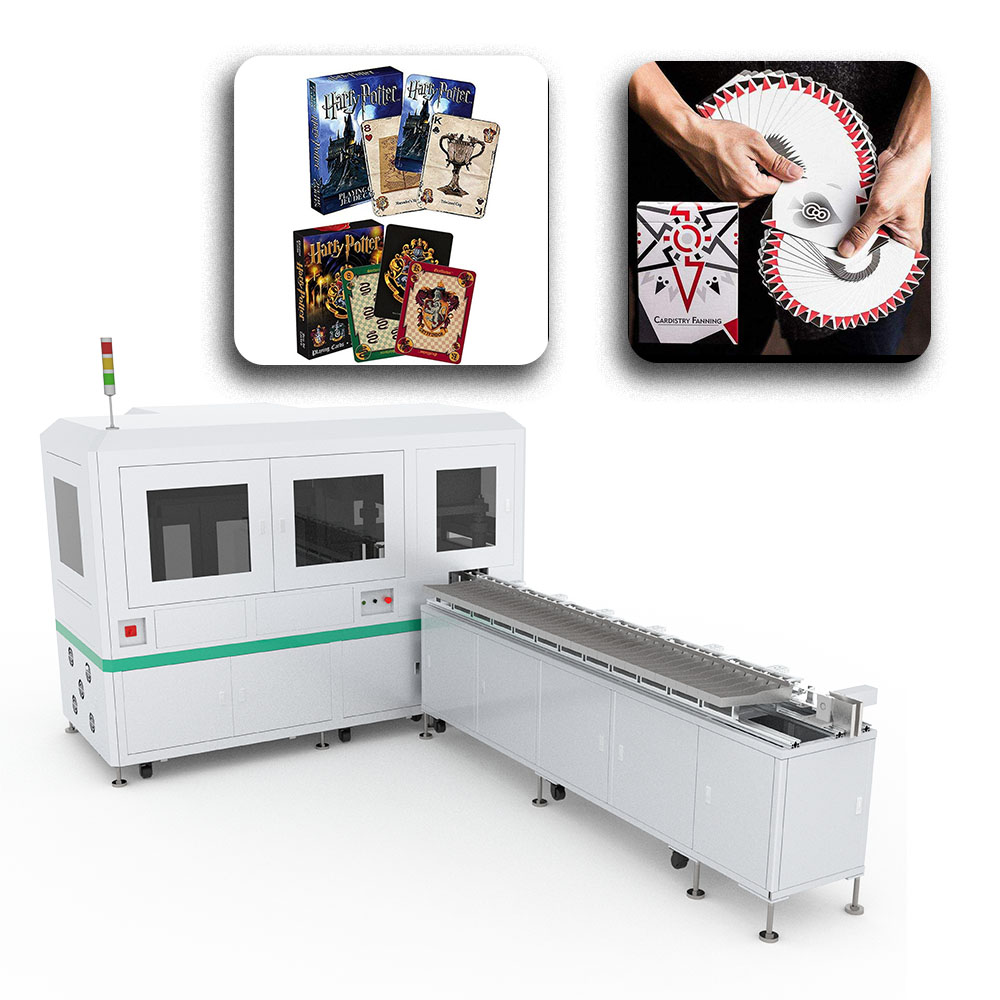
High-end gaming cards are more than just a piece of paper. It's usually many layers, a complex composite structure. These layers include:
Core layer: high-quality black core paper or white cardboard. This is the basis for the card's stiffness, thickness, and sturdiness. Black core paper makes the cards feel more high-end and prevents light from penetrating them better.
Lamination: In most cases, a high-quality printed coating with a beautiful pattern is covered on the top and bottom of the core layer. People often cover the outermost layer with special films, such as matte film, glossy film, anti-scratch film, etc. This film gives the card a warm matte feel, a dazzling gloss or a silky feel. It also protects the card from scratches and dirt.
Special process layer: including holographic anti-counterfeiting, local UV, hot stamping, etc., which makes the visual sense of hierarchy and anti-counterfeiting function stronger.
This multi-layered structure makes the next step of punching very difficult. If any of the layers are not aligned, squeezed or torn, the card is useless. Now we can see the main technical advantages of modern game card punching machines.
For example, consider the high-tech tools that are ideal for small-batch production and for completing large orders. Before die-cutting, its "layout visual correction and positioning system" can use a high-precision camera to take real-time photos of printing marks or material edges. If there is a slight deviation in the printing or composite process of multi-layer materials, the system can automatically move the die-cutting plate to the correct position. This ensures that the pattern on the finished product is always in the middle of the card and the edges are uniform. This is the best way to get a beautiful, high-quality card.
The "step-by-step precision feeding" system ensures that the film layer and the high-strength core paper layer can be fed into the die-cutting area with appropriate tension and step distance. This "gentle" and precise material handling method avoids tensile deformation of the material during the extrusion process. At the same time, it also ensures the original performance and bonding strength of each layer of structure, ensuring the final texture and durability of the card.
It is very important for players and collectors that all cards are the same size. If you add a millimetre, the whole deck feels very different when you shuffle and cut it. It's more about the quality of the collection. Game card die-cutting machines ensure that tens of thousands of cards are the same size.
Manual punching or previous punching is prone to errors. However, the modern full servo-driven precision game card punching machine has not changed in the following aspects:
Full servo power system: The machine adopts powerful servo motors (such as 7.5 kW) for punching and feeding. The servo system ensures that the feeding length and punching position are exactly the same each time. It achieves this through very fast response time, positioning accuracy and repeated positioning accuracy. It controls the dimensional error within a very small range, as low as 0.1 mm, which is better than ordinary mechanical gearboxes.
The detailed steps for precise feeding: The machine breaks down the large-format material into small pieces for feeding. This method is suitable for small-batch production, reduces waste, and shortens the stroke of each feed, reducing the error caused by inertia and making it easier for each small step to be in the right position. All these factors combine to make the product size very uniform.
The ability to quickly switch orders: High-end card products come in a variety of styles, and orders are often both large and small batches. Traditional large die-cutting machines take too long to install and align, and the cost is too high. The reason why the flexible playing card die-cutting machine can quickly produce playing cards of different sizes and different layouts is that it has the characteristic of "fast order change adjustment", and the shortest order change time is only 15 minutes. It is realised by adopting digital parameter memory, quickly replacing wooden lightweight moulds (the fastest only takes 2-3 minutes) and a simple layout adjustment mechanism. After each switch, it can also quickly switch back to high-precision production, which ensures that each type of card is the same size within and between batches.
The edge treatment of a card is the most obvious and subtle way to show its quality. Rough, furry edges not only feel bad but also wear easily and look cheap. The cards feel high-end and strong because their edges are smooth, flat and firm. They also prevent the paper from peeling off or the coating from peeling off due to daily friction with things.
To get a "burr-free" edge, it is necessary to ensure that the mould is very precise, the punching torque is stable, and the blade is sharp. The high-performance game card die-cutting machine, with a precision-machined die-cutting knife, due to the strong and stable servo punching power, can cut the material as cleanly as a scalpel. It will not "tear" the material. When processing coated paper, the sharp blade and precise pressure control can cut off the film and paper core at the same time. This way, the cross section is flat, and there are no burrs at the root. The so-called "die-cut products do not need nail connection" refers to the special design of the mould or the equipment having a good way to remove waste. This means that there are no connections between the cards, and they are completely separated. This protects the edges from damage when the connection points are later torn apart by hand and ensures that each card leaves the factory with intact edges.
Precise hole-type anti-counterfeiting: Many high-end cards have notches or holes on the side, which are both anti-counterfeiting marks and part of the brand appearance. Great care must be taken when punching these small and complex shapes. The game card die-cutting machine has a rigid die-cutting platform and a high-precision servo positioning system. This ensures that each card has the same shape, depth and position, even the smallest holes, and that they are not easily copied.
Quality control and collection of finished products: The way of collecting cards after punching and cutting will also affect the appearance of finished products. The equipment can automatically perform two collection methods: "sequential collection" and "classified collection". Both methods can collect the cards neatly and avoid the damage of the edges and corners caused by collision and friction during the collection process. The closed-loop production process from die-cutting to packaging reduces manual contact and possible damage in the intermediate links. This is because it can "connect to the overall solution of the back-end product packaging". It can also send high-quality edge quality to end users without compromising edge quality.
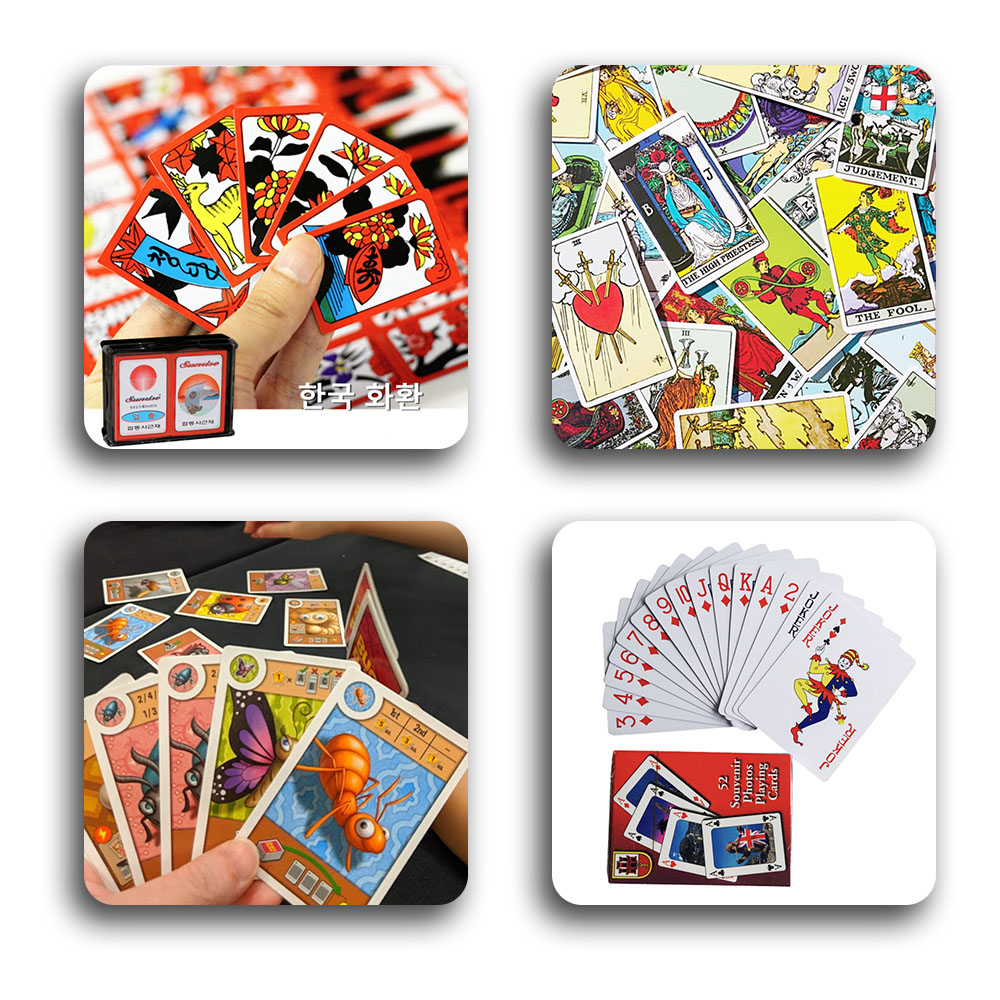
The production of collectible cards from multi-layer composite paper blanks requires very specific and professional manufacturing processes. The cards have a strong feel, are the right size, and have smooth edges. Modern game card punching machines, especially the "short, flat, and fast" stepping feeding precision models that meet the needs of flexible production, solve the high alignment accuracy of multi-layer materials in high-end card production (usually requiring a deviation of less than 0.15 mm) through visual correction positioning, full servo stepping precision feeding, fast and convenient mould replacement, and non-connected dot die-cutting. The problems of good absolute size consistency (tolerance can reach ±0.1 mm), no burrs on the edges (meeting ISO-level visual and tactile detection), and economical production of small batch orders.
Data shows that this precision die-cutting technology can reduce the amount of waste caused by alignment and edge quality problems in the card production process by more than 70%. It can also reduce order changeover time by 85%. It is especially suitable for customers in the printing industry, meeting the growing demand for personalised, high-quality, small-batch game cards, collection cards, and high-end smart cards. These invisible precision manufacturing technologies, which are applied to the small cards, shape the texture and value pursued by card players and collectors around the world and also sublimate high-end collection cards from paper whiteboards to artworks.
 EN
EN