In the rapidly developing game industry, game cards are an important carrier for storing game data and improving user experience. The precision and efficiency of its production process directly affect the quality and market competitiveness of the product. The digital die-cutting machine is the most important equipment in the field of card production. Its precision and automation technology advantages have brought revolutionary breakthroughs to the production of game cards. This article will discuss the application logic and optimization path of digital die-cutting machines in the production of game cards from three perspectives: how digital die-cutting machines support the cutting of complex patterns, what advantages they have compared with traditional equipment, and how to maintain the equipment. This will provide useful reference for professionals in this field.
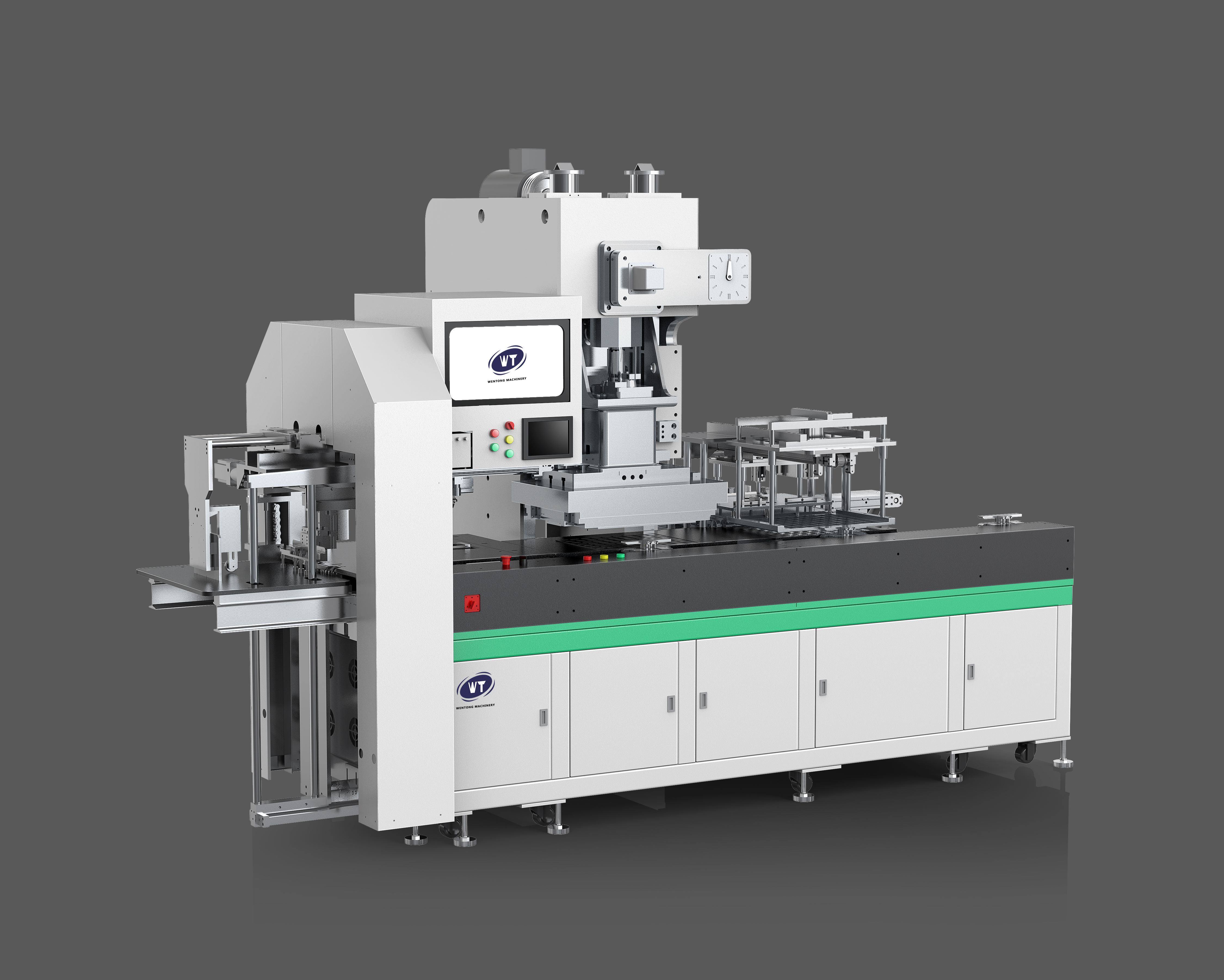
The pattern design of game cards often includes fine lines, special-shaped contours, and multi-layer composite structures. This means that the cutting equipment must be very precise and stable. The digital die-cutting machine is based on the core technology innovation, which perfectly solves the problem of cutting complex patterns in the industry. Its technical logic is mainly reflected in these three aspects.
First, the ability to precisely feed and cut materials through coordinated control. The digital die-cutting machine has a 7.5 kW servo system, which can programmatically control the feeding accuracy within 0.01 mm. It can also use high-definition image recognition technology to find the position of the game card substrate in real time and automatically correct it. This closed-loop control mode ensures that the position of complex patterns remains unchanged during multiple die-cutting processes. At the same time, it avoids the problems of pattern offset and ghosting when traditional equipment has errors. It is especially suitable for making game cards with fine designs such as anti-counterfeiting patterns and three-dimensional relief.
Second, it achieves a unique texture and burr-free cutting. The feel of the game card is an important part of the user experience. The digital die-cutting machine ensures that the pressure curve and cutting speed of the mold are synchronized, and the cutting is smooth and burr-free. This gives the edges of the game cards a fine, frosted texture. This process advantage not only makes the product look better but also makes it easier to hold, which is a big selling point in a highly competitive market.
Finally, built-in support for composite processes. The digital die-cutter can seamlessly connect cutting and hot stamping processes. This is very useful for composite processes such as hot stamping and lamination that are commonly used in high-end game cards. The modular design and open process interface allow the game cards to directly enter the hot stamping process after the pattern cutting is completed. This avoids the accuracy deterioration caused by secondary positioning. The equipment also has an automatic waste removal system, which can separate the edge waste generated during cutting in real time. This keeps the production area clean and makes the production process more efficient.
In the production of game cards, the competition between digital die-cutting machines and traditional die-cutting machines is basically a change in technological evolution and production methods. Digital die-cutting machines have many advantages over traditional die-cutting machines in terms of production efficiency, process adaptability, and comprehensive cost. Here are some of the most important differences:
Traditional die-cutting machines use a fixed die design, which means that when the die needs to be replaced, the machine must be shut down and debugged. Small-batch, multi-style game card customization production requires hours to replace and calibrate the mold. It is difficult to meet the needs of the market for rapid iteration. The digital die-cutting machine adopts full digital programming control. To change the cutting pattern, you only need to import a new design file. It now takes less than 10 minutes to debug the machine. It can also die-cut a variety of products, including books, filter paper, and smart cards. This allows the same machine to be used for different purposes, which is great for the gaming card industry, which makes many different types of cards.
The traditional die-cutting machine adopts a mechanical transmission structure to ensure the quality and stability of the product. Due to the wear of parts, the accuracy is easy to decline after long-term use. Problems such as burrs and uneven cutting occur frequently during the cutting process, and the product qualification rate is usually less than 95%. The digital die-cutting machine adopts a servo drive system and digital monitoring technology, which greatly prolongs the service life. The service life of the core components can reach more than 5 years, the cutting accuracy is stable for a long time, and the product qualification rate can reach more than 99.5%. The digital die-cutting machine is also equipped with a customized finished product collection system, which can be collected in two ways: in order or by category. This means the system can switch between the two modes depending on the packaging requirements of the game cards, reducing the cost of later sorting.
From the perspective of overall cost control, the traditional die-cutting machine is cheap to buy, but each game card needs a set of die-cutting tools. The price of a set of die-cutting tools ranges from 500 yuan to 2,000 yuan, and worn parts need to be replaced frequently during maintenance, resulting in high long-term operating costs. The initial purchase cost of digital die-cutting machines is high, but there is no need to make special die-cutting tools. Different patterns can be cut through software programming. The equipment is technically mature and has a low failure rate, and the annual maintenance cost is only 30% of that of traditional equipment. The digital die-cutting machine with an integrated customized overall solution can also change the process parameters to meet the product standards of different regions. This makes global production more flexible for playing card manufacturers who sell products worldwide.
The service life and running stability of the digital die-cutting machine are directly related to the quality and production speed of its products. According to the structural characteristics of the equipment and the long-term use and maintenance experience, the maintenance plan can be divided into three parts: daily maintenance, regular inspection, and professional maintenance. This helps to extend the service life of the equipment.
The focus of daily maintenance is cleaning and lubricating the most important parts. At the end of each production day, the work table and knife holder area of the equipment should be cleaned with compressed air. This can prevent the die from wearing or the feeding from running off due to the accumulation of waste. The transmission parts of the 7.5 kW servo motor should be filled with special lubricating oil every week to keep it running smoothly. Also, check the tightness of the motor wiring terminals to ensure that poor contact will not cause equipment failure. In addition, the sensitivity of the sensors and the finished product collection part of the automatic sorting system should be checked every day. For the sensor and equipment finished product collection part of the automatic sorting system, the sensitivity should be checked every day, and the accumulated dust should be cleaned in time to avoid signal misjudgment and reduce the sorting accuracy.
Regular maintenance should include checking parts for wear and accurate calibration. The cutting accuracy of the equipment should be checked every month. The parameters of the servo system should be adjusted by comparing the cutting standard test card with the standard card. It is also necessary to ensure that the cutting error is within the acceptable range. The cutting die should be checked every three months to see if there are any nicks or deformations on the cutting edge. If the die is severely worn, it should be replaced in time to avoid the decline of product quality due to the die problem. At the same time, the hydraulic and pneumatic systems of the equipment should be checked to ensure stable pressure and no air leakage in the seal. This is the most important thing to ensure the equipment is durable.
the technical support team of the equipment supplier. It is best to upgrade and inspect the control system and software system of the digital die-cutting machine every six months to ensure the normal digital function of the machine. If the equipment has complex problems, you should immediately call the technical team at the Shenzhen headquarters. They can solve the problem through remote diagnosis or on-site maintenance, avoiding greater damage caused by self-disassembly. In addition, establishing equipment operation and maintenance files, recording the time and details of each maintenance and overhaul, will help future maintenance and prevent problems from occurring.
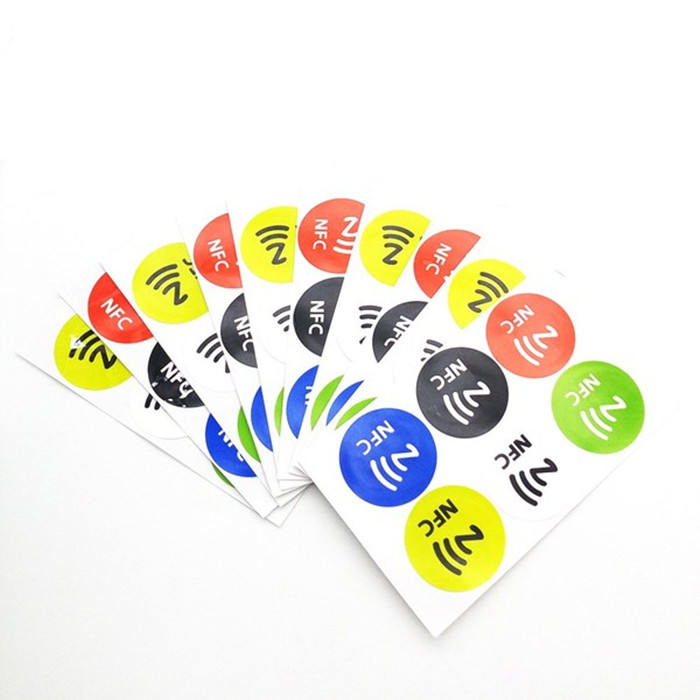
Digital die-cutters are changing the way game cards are made because they are more precise, more flexible, and able to work in tandem with other machines. Digital die-cutting machines are the most important tool for high-quality growth in the game card industry. It can precisely cut complex patterns, quickly and easily produce different types of cards, reduce overall business costs, and make the industry more adaptable to global changes. For companies that want to compete in the global market, learning how to use and maintain digital die-cutting machines will be an important first step in improving competitiveness. With the continuous improvement of digital technology, the application of digital die-cutting machines in the production of game cards will become better and better, which is a good thing for the industry.
 EN
EN