In the past few years, there has been a trend in the Indian market towards customized smart cards and gaming cards. They are short, flat, and fast. This means there are many modes to choose from, with small order volumes and fast delivery times. In this industry chain, the PVC card punching machine (also known as the die-cutting machine) is the most important tool. It has a direct impact on the quality of the edges and the speed at which the finished product passes inspection. This article will first discuss the technical principles and then provide a detailed introduction to how modern punch-in machines meet the increasingly strict production standards of the smart card industry through precise control.
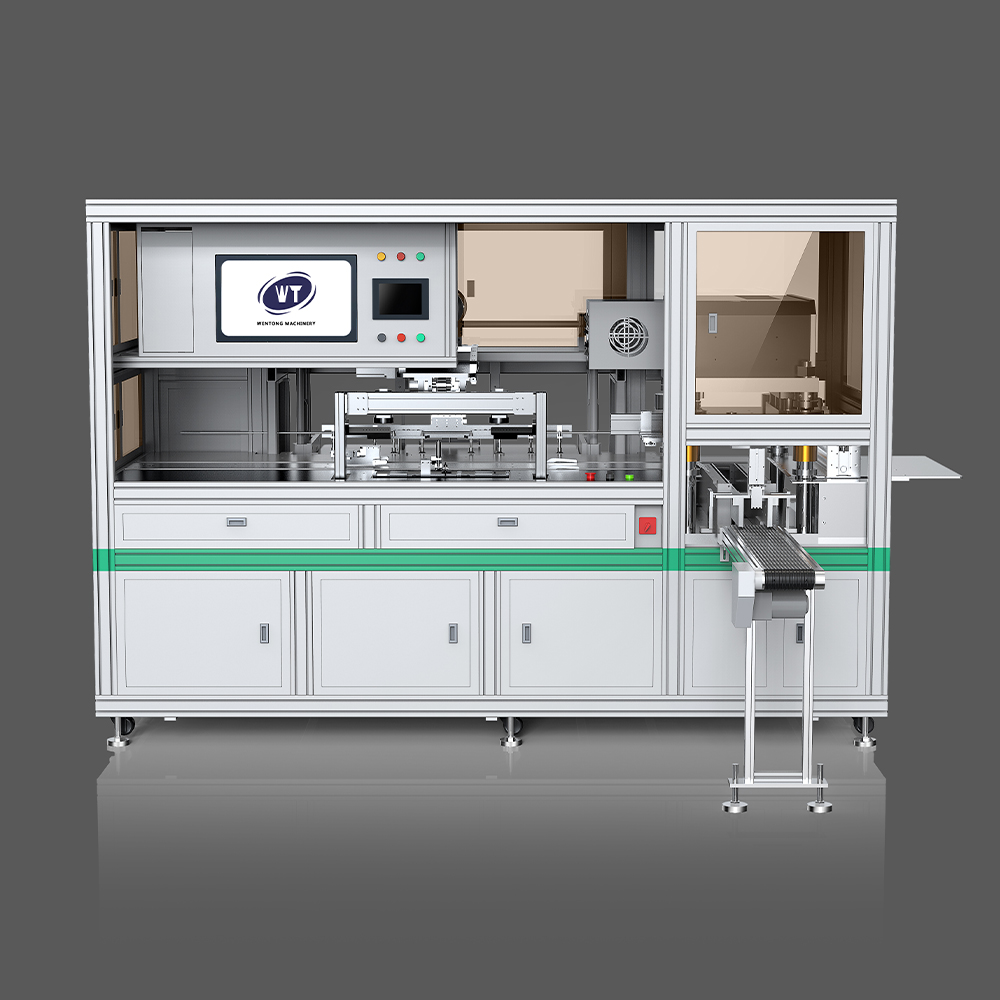
Smart cards, such as bank cards, gaming cards, and anime cards, require very precise shapes and sizes. ISO/IEC 7810 is a global standard that specifies the size of ID-1 cards to be 85.6 mm x 53.98 mm. The main job of PVC card punching machines is to ensure that each card that falls off the material strip is exactly the same, with no burrs or delamination on the edges. Smart cards with embedded chips not only change their appearance but also damage internal coils or chip modules, leading to read and write errors.
Most high-end card punching machines can now place themselves with a precision of ± 0.10 mm or higher. In order for these data to be valid, two conditions must be met: the vertical feed must be correct and the horizontal layout must be correct. Punching machines need to be able to distinguish each printing cursor (marking line), especially when printing on PVC materials with many different laminated patterns. This is to ensure that the die-cutting position matches the printed pattern perfectly. If the stamping accuracy cannot be maintained within ± 0.1 mm, it will result in waste products such as "whitening" (when the pattern deviates and displays white edges) or "excessive cutting" (when the pattern edge is cut). For high-end game cards and star cards that use gold onion powder, UV layers, or complex printing, this is a huge loss.
The PVC card punching machine is located at the end of the smart card production line, but it is an important part of connecting the front and rear steps. No matter what type of printing is performed on the front end, such as screen printing, offset printing, or digital printing, the card punching machine must separate the connected cards into separate units.
We have set the machine as a 'step-by-step feeding and die-cutting center,' which is a good thing for the Indian market, as it can handle many different types of orders. Large roll-to-roll high-speed punch-in machines are not as flexible as machines that print or produce cards in small batches. It must be able to handle more than just ordinary PVC film. It also needs to be able to handle thin packaging box materials, soft magnetic films, and paper business cards. Nowadays, PVC card punching machines are not just cutting tools; they are also smart terminals that can fix visual errors and eliminate waste. It can be directly connected to the packaging equipment at the back and can automatically collect and classify materials. This provides everything the factory needs for fully automated packaging, which means there is no longer a need for manual sorting.
The punching process is more like a precise surgical operation on a smart card with chip modules or coils inside. Any additional vibration or pressure may damage the solder joints inside the coil or chip.
Blade mold design and mold replacement efficiency: Replacing wooden or laser molds used in the past requires a lot of time and effort. Modern machines use lightweight wooden molds and quick locking systems. This can shorten the time required to replace the mold to 2-3 minutes. For factories that frequently switch between making game cards and bank cards, this means that the time spent not using expensive equipment is converted into useful output value. Due to the unique gap design, products made with high-quality molds do not require nail holes or fixed connection points. When they fall off, the cards completely separate with smooth edges.
Balance between power and speed: The cutting power comes from a high-power servo motor of 7.5 KW, which is a good thing because it can be easily pulled back and forth. The servo system is different from the old flywheel or hydraulic system because it can control the cutting speed and depth very accurately. When using thick plates or cards with chips, operators can slow down the processing speed and extend the holding time of the material so that the mold can slowly cut in without damaging the internal chips. When you play regular poker cards or paper business cards, you can speed up the process again so that you can make thousands of cards per minute. To ensure that cards containing chips work in the same electrical way, Servo needs to be able to change pressure and speed.
Even if the PVC card punching machine is accurate, setting incorrect process parameters can still cause problems. Take a look at three common problems and how to solve them, while keeping in mind the technical specifications of the device:
This is the most common problem, usually caused by the cursor not finding the correct position or the material moving incorrectly. To address this issue, modern devices have a method to fix and position the layout visual effects. The system uses a very sensitive photoelectric head to read the lines and tell it the printing position on the material. The system can automatically change the distance between feeding steps based on the position of the printed pattern. This ensures that even if the edges of the roll or paper are cut unevenly, each blade can land in the correct position. The operator can also manually set the feeding length for very small batch sampling orders using the step-by-step feeding function. This allows for precise arrangement of items without the need to purchase expensive specialized molds, making sampling much cheaper.
Burrs are mainly caused by wear of cutting molds or insufficient space between punches. But if the power is too low and the cutting mold stays in the material for too long, it will also make the cross-section rougher. The answer is to use the stiffness of a 7.5 kW servo system for instantaneous explosion. This will enable the mold to quickly pass through the material without stretching and keep the edges of the PVC card smooth and tidy. The servo system is also very sensitive, so it can work with various materials, such as soft magnetic sheets and thin films that suppress sound in different ways. It can also cut many different materials without leaving burrs, so you don't have to buy new tools.
Someone must manually count and sort the rear of the old-fashioned clock in the machine, which is inefficient and may lead to errors. There are two very flexible ways for modern devices to collect finished products: (1) sequential collection: stacking them neatly in the order of stamping and cutting so that people can check their quality later; (2) Classification collection, controlled by software, automatically categorizes cards with different layout patterns into different collection slots that match different orders or customers. This completely solves the problem of manual classification after card making.
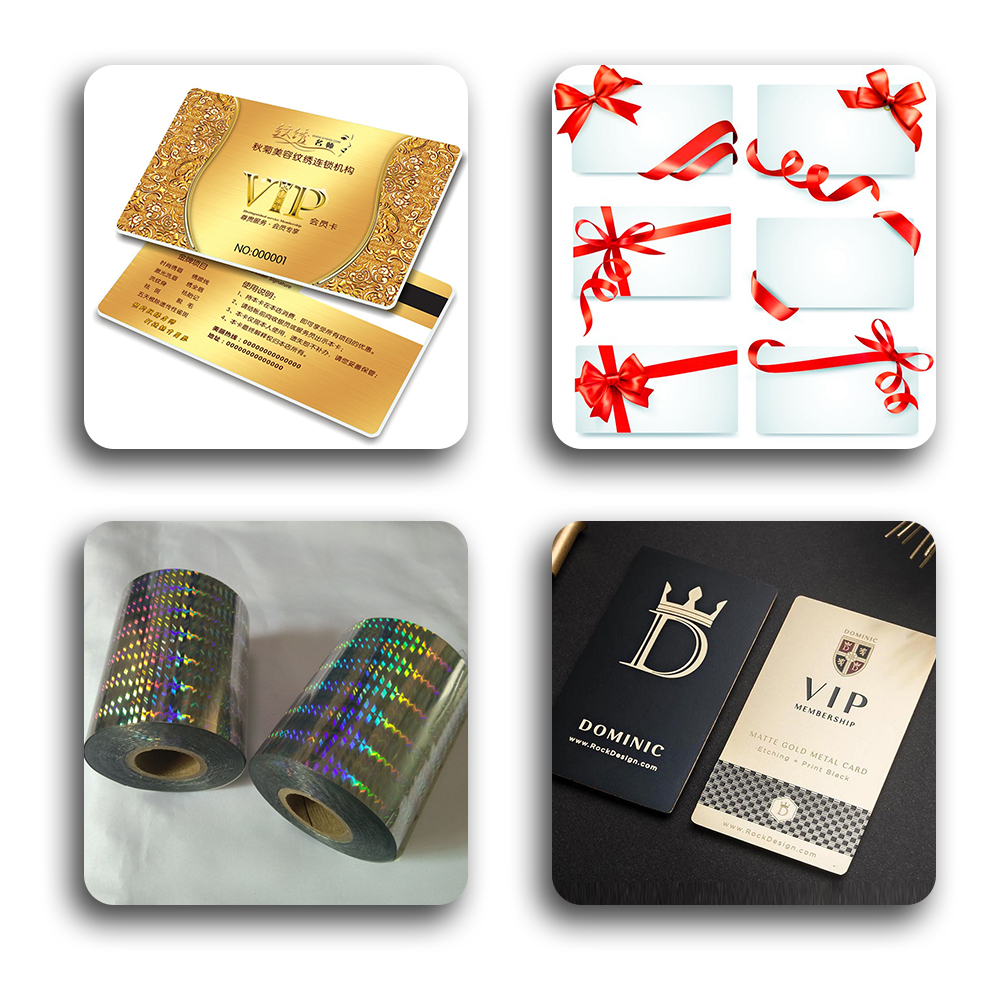
In short, modern PVC card punching machines are highly precise tools that utilize visual positioning, servo drive, and intelligent data collection. With a servo power of 7.5 KW and lightweight, fast mold-changing technology, this machine can switch orders faster than any other machine in the industry. Setting up the machine only takes 15 minutes. The step-by-step precise feed mechanism following the cursor ensures that the position of the finished product is accurate to within ± 0.10 mm. If printing companies want to sell goods in India and around the world, they should choose machines with the above technical features. This will help them process orders for different types of items, such as game cards, bank cards, business cards, and small boxes. This not only ensures high product quality with no burrs on the edges but also provides an advantage in markets where "short, flat, and fast" response times are important.
 EN
EN