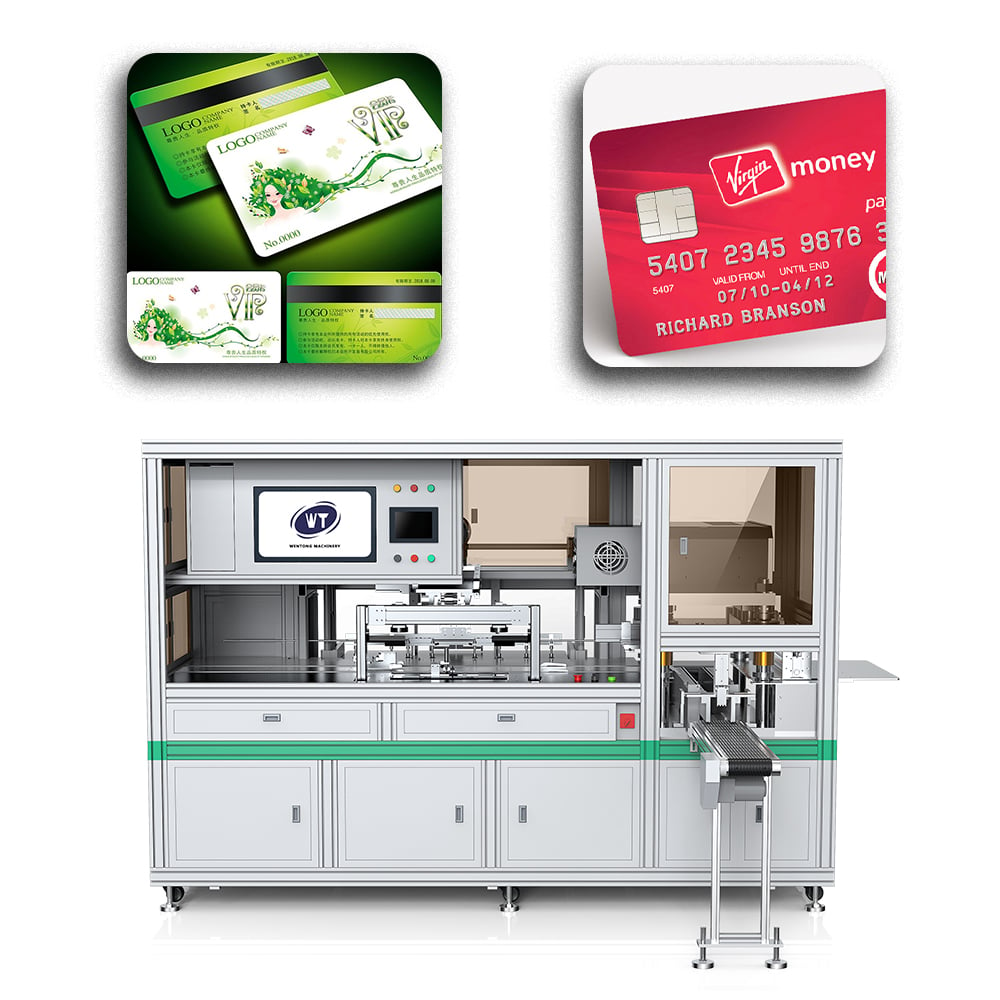
The trend of small-batch customisation and faster order iteration in the printing industry. Traditional card-punching machines have problems such as long installation time, difficult mould replacement, and serious losses in small batch production. It is difficult to change the production mode of small-batch and personalised cards to meet their needs. The bank card punching machine is now one of the most important tools to solve the industry problems. It adopts CNC technology. The bank card punching machine is "short, flat and fast". Its step-feeding die-cutting structure for small batch orders can accurately match the short-run production scenarios of various card types, such as game cards, animation cards, star cards, and personalised business cards. While ensuring production efficiency and product consistency, the production scenarios of small batch orders are fully considered.
The CNC system is the core of the bank card punching machine. It can execute the preset program instructions in logical order, complete the decoding, and make the machine tool work automatically. The main advantages are their speed of response to orders and the ease with which they change production. It only takes 2 to 3 minutes to replace the mould on the lightweight wooden mould with tools. The efficiency is more than 90% higher than the mould change time of more than 30 minutes for traditional metal moulds. This greatly shortens the production preparation time. It only takes 15 minutes to change the order and change the machine, without complicated manual debugging. The machine can be quickly adjusted to meet the card-making needs of different sizes and specifications. It solves the pain point of "difficult and long time to change orders" of traditional equipment in the industry. For printing companies, fast switching means that they can undertake personalised orders in large and small batches, such as the limited production of IP co-branded cards and the customisation of niche board game cards, without the need for mould opening and no inventory pressure.
The step-by-step precision feeding structure of the bank card punching machine enables it to produce short-run jobs. The step-by-step feeding method can change the feeding rhythm according to the order batch, which is different from the traditional continuous feeding method. In this way, small batch production will not waste materials, and it is matched with the plate image correction and positioning technology. The high-sensitivity photoelectric sensor picks up any change in the material position and changes the feeding accuracy in real time to ensure that the die-cutting position of each card is correct. This reduces the amount of waste in short-run production. The equipment also has a rapid proofing function so that printing companies can quickly meet the personalised design needs of customers, complete sample confirmation, and immediately start mass production. This makes customers more satisfied with the cooperation and speeds up the delivery of orders.
The bank card punching machine can handle many different types of card materials, such as paper, film and soft magnetic sheets. This means that it can make a variety of cards, such as smart cards, game cards, playing cards and bank cards. It can also be used to cut small boxes for packaging, which makes it more useful for the printing industry, because the printing industry has many different production needs. Ordinary card punching machines can only use one material, but bank card punching machines can use many different materials. This makes it easier to convert small batch production. It can complete orders for different kinds and types of materials without replacing the main equipment. This makes the cost of purchasing equipment for printing enterprises lower.
As the card market becomes more and more personalised, the demand for unique products such as hollow cards and special-shaped cards is constantly rising. For these products, the card punching machine needs to be able to cut more accurately and handle a wider range of graphics. The bank card punching machine adopts cutting-edge core technology to cut complex graphic outlines with high precision and high stability. It fills the gap that traditional card-punching tools can only perform basic die-cutting. Its technical advantages come from the precise positioning system, stable power output, and scientifically designed die-cutting structure. They work together to ensure the correctness and stability of the die-cutting process.
The reason why the bank card punching and cutting machine can do complex punching and cutting is that it adopts the layout visual correction and positioning technology. The technology has an X and Y dual-axis servo feeding system, which can find the material position deviation in real time and automatically change the feeding angle and position through the program. The positioning accuracy is within ±0.10 mm, and in some cases it can reach ±0.02 mm. It meets the strict requirements of special-shaped cards and hollow cards for cutting accuracy. When punching the inner hole of the hollow card or the outer shape of the special-shaped card, if the positioning deviation is too large, problems such as graphic bending and edge misalignment will occur. The bank card punching machine can easily solve this problem, and it can self-correct in real time. It ensures that each cutting line is smooth, the size is correct, and there is no offset or deformation.
Stepping precision feeding technology has great advantages for cutting needs that are difficult to meet. It can feed and die-cut at one time and cut according to the cutting path of complex graphics. One-time cutting can prevent the material from stretching and deforming. It is especially suitable for making cards with many holes and non-straight edges. The old card-punching machine is a one-time punch, which is easy to cause burrs in the hollowed-out part, and the lines are not straight. The bank card punching machine adopts the step-by-step die-cutting method, which reduces the stress of the material during punching. At the same time, the machine also has 7.5 kW servo punching power, and the power output is stable. The punching pressure and speed can be easily adjusted according to the material with a thickness of 0.5mm-1.5mm. This ensures that the edges of the cards are smooth and burr-free, and no post-grinding is required. This way, the production efficiency is higher and the product quality is better.
The die-cutting structure on the bank card punching machine adopts a complex graphic cutting method. Only one die core is needed to punch and cut the whole plate, which saves you a lot of cost for making complex dies. And the wooden lightweight mould can be quickly changed to adapt to the cutting needs of different complex graphics. This means you don't have to wait a long time for the mould replacement and debugging process. The equipment also achieved a technological leap, and the die-cut products do not need to be nailed. Old-fashioned tools require nicks or tie points to hold the material in place, and then a trimming operation is required. The bank card punching machine can die-cut without leaving any extra edges. This makes it ideal for cards with irregular shapes, cards with cut-outs, and other cards that need to look good. It makes the process shorter and protects the card from damage when trimming.
The bank card punching and cutting machine adopts a CNC program control system, which automatically calculates the cutting path of complex graphics and converts the graphic data into die-cutting instructions that the machine can execute. All of this does not require manual intervention. It not only reduces human errors but also makes the cutting speed of complex graphics faster. This automatic and high-precision complex cutting function can help printing companies break through the limitations of traditional production, make them more competitive in the market, and meet the growing demand for personalised cards in India and around the world. It can also help them develop high-end product lines, such as hollow cards and special-shaped cards.
The production process of popular IP-linked physical cards such as animation IP-linked game cards is commonly used in the printing industry. Including revision, proofing, batch punching, finished product pickup, etc. The technological advantages and flexibility of the equipment are also clear at a glance, which can help printing enterprises to produce and use. The whole process shows the importance of bank card punching machines in small batch and high-precision production and imparts practical production skills.
The first thing to do is to change the design and prepare the mould. On IP-branded physical cards, customised patterns, special-shaped outlines, and partial hollow designs are very common. First, the design drawings need to be converted into a die-cutting programme. Then, it can be put into the CNC system of the bank card punching machine. The system automatically calculates the cutting path, feed rate, and positioning point. At the same time, according to the design, a light and easy-to-operate wooden mould is made. It only takes two or three minutes to change the mould. These moulds cost more than 60% less to manufacture than traditional metal moulds. And changing the mould is much easier, speeding up production preparation. This section shows that the bank card punching machine can be compatible with many different design formats without the need for additional software to convert them. This makes it easier to use and fits in with the way printing companies work every day.
Next is the sampling. IP co-branded orders have very high requirements for pattern restoration and size accuracy. The rapid proofing function of the bank card punching machine allows printing companies to proof in small batches to test the die-cutting accuracy, card edge quality, and graphic adaptability. The equipment is visually corrected and positioned to ensure the accuracy of the pattern and the die-cutting position during the proofing process. The stepping precision feeding ensures that the material is not bent, the 7.5 kW servo power ensures the cutting is stable, the edge of the sample card is smooth and burr-free, and the size deviation is controlled within ±0.1 mm. Customers can quickly inspect samples and shorten the order docking cycle. The bank card punching machine can complete sampling in only one hour, which is much faster than the sampling cycle of 1-2 days of the old machine. This speeds up the time to respond to orders.
The third step is punching, cutting, and mass production. Most of the time, people order IP-branded physical cards in small batches of 500 to 5,000 cards. This is because the machine for punching and cutting bank cards is most suitable for small batch production. The machine automatically feeds, corrects, die-cuts, and discharges waste without manual intervention. This reduces labour costs. The equipment can also adjust the punching parameters according to the different materials of the IP co-branded card (such as film and soft magnetic sheet) to ensure the consistency of the die-cutting quality of different materials. The production speed can reach 9,000 sheets per hour. The production efficiency of small batch production is more than 70% higher than that of traditional equipment, and the scrap rate is controlled below 0.2%, which is far lower than the industry average of 1.5%.
The fourth step is to put the finished products together and connect them to the back end. There are two ways for the bank card punching and cutting machine to produce finished products. According to the order requirements, it can choose to collect in order (for IP co-branded cards with continuous numbers) or collect by category (for IP co-branded cards with mixed production of multiple styles). The card collection process is fully automated, avoiding the problems of card wear and confusion during manual card collection. Once the collection is complete, the device can be connected to an overall solution for packaging the back-end products. This means it can be directly connected to packaging equipment, allowing stamping, cutting and packaging to all be done in one place. There is no need for manual transfer, the production speed is faster, and the order delivery speed is faster. It takes 24 hours for traditional equipment to produce 5,000 IP co-branded physical cards. With this equipment, it only takes 8 hours. This means that the production cycle is shortened by 67%, which fully reflects the main benefits of the bank card punching machine, which are "short, flat and fast".
From the technical parameters, application cases, actual production data of the bank card punching and cutting machine, and the needs of the printing industry for small-batch, personalised and complex card production, the machine uses CNC technology and has great advantages in short-run production, complex die-cutting, improving efficiency and reducing costs. At the same time, it can also provide printing companies with efficient, accurate and flexible die-cutting solutions, easily meeting the needs of global overseas markets, such as the Indian printing market.
According to efficiency data, it only takes 2-3 minutes to replace the wooden mould of the bank card punching machine. It takes 15 minutes to adjust the machine for changing the order. The mould-changing efficiency is 90% higher than that of the traditional card-punching equipment, and the machine adjustment efficiency is 75% higher. The efficiency of small-batch production can reach 9,000 sheets per hour, 70% higher than that of traditional equipment. The delivery time for 5,000 small-batch orders is shortened by 67%, which means that the printing industry can quickly meet the needs of multiple batches and short-cycle orders. The positioning accuracy of the equipment can reach ±0.02–±0.10 mm, which affects the accuracy and quality of the data. The finished product has high precision, no burrs on the card edge, and the scrap rate is controlled below 0.2%, which is far lower than the industry average of 1.5%. The die-cut products do not need to be nailed; the product appearance is good, time-saving and labour-saving, and the labour cost is reduced.
In terms of cost and flexibility, wooden dies are more than 60% cheaper than metal dies. The equipment can handle many different materials, which can help printing companies save equipment costs. It can also die-cut many different types and materials without purchasing new core equipment. Since there are two ways to collect finished products and it can be connected to the back-end packaging, integrated production can be achieved. This reduces labour costs by more than 50%. This machine can make various cards, such as game cards, smart cards, bank cards and special-shaped cards. It can also make small boxes for packaging. At the same time, it can also meet the needs of small-batch and personalised production in overseas printing markets such as India. The 7.5 kW servo energy-saving design can save 30% of energy and meet the global trend of environmentally friendly manufacturing.
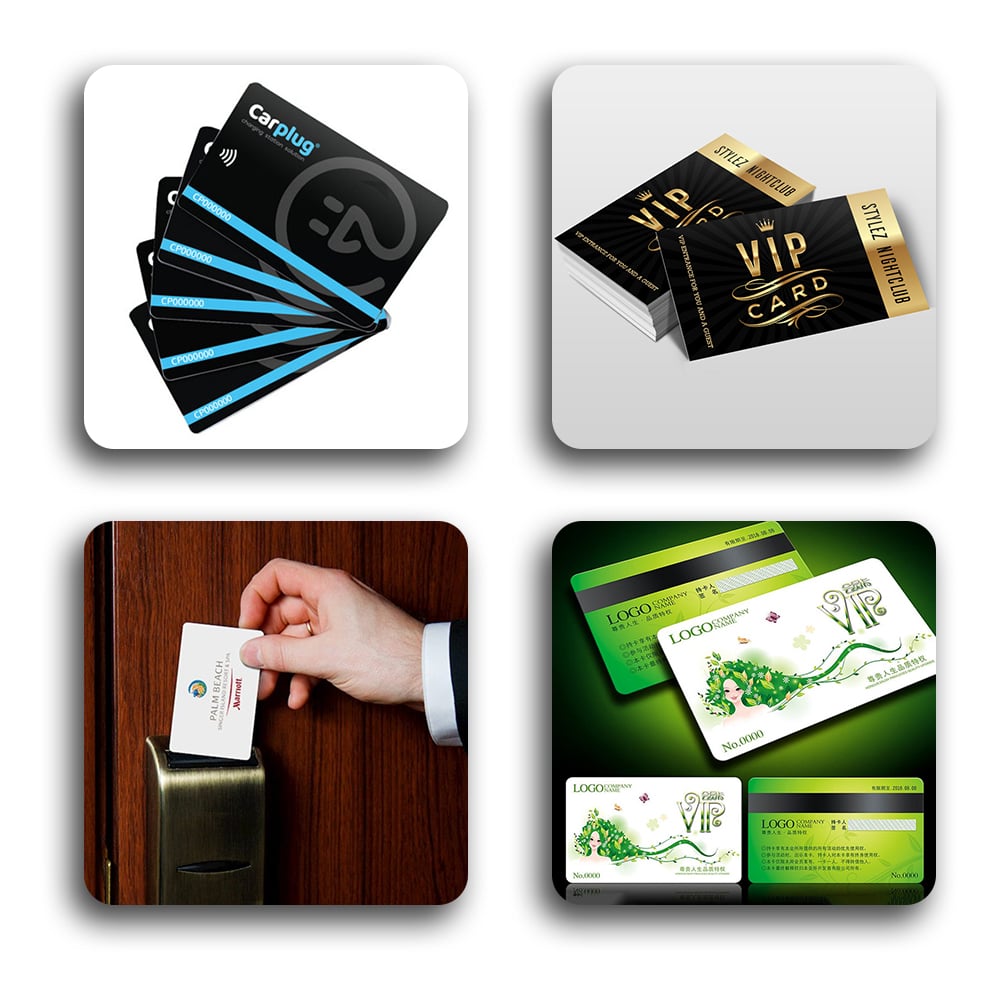
In short, the bank card punching machine uses technology to solve the problems of low production efficiency, poor precision of complex die-cutting, and slow order response in short-run printing. Its performance data is better than the industry average. This can help printing companies improve efficiency, improve quality, reduce costs, and make products more in line with the needs of the growing global market. It is the main tool for the printing industry to make small-batch, high-precision die cutting, and it has many other uses.
 EN
EN